Exploring the Serenity of Indian Massage: A Path to Wellness
Indian massage is more than a physical relaxation technique. It is part of a centuries-old wellness tradition that focuses on the balance between the body and the mind. Rooted in ancient Indian practices, it combines gentle movements, natural oils, and mindful touch to encourage overall well-being.
Today, people around the world are becoming more interested in holistic health practices. As stress levels continue to rise, traditional wellness methods like Indian massage are gaining attention for their calming and restorative effects.
The Ancient Roots of Indian Massage
The history of Indian massage is closely connected with Ayurveda, one of the world's oldest systems of natural wellness. This tradition emphasizes harmony between physical health, mental clarity, and daily lifestyle habits.
Ancient Indian texts describe massage as a regular part of personal care. Warm herbal oils and rhythmic hand movements were traditionally used to relax muscles, improve comfort, and promote a sense of balance.
Modern wellness trends continue to draw inspiration from these age-old practices because they focus on prevention and healthy living.
Connection with Ayurvedic Traditions
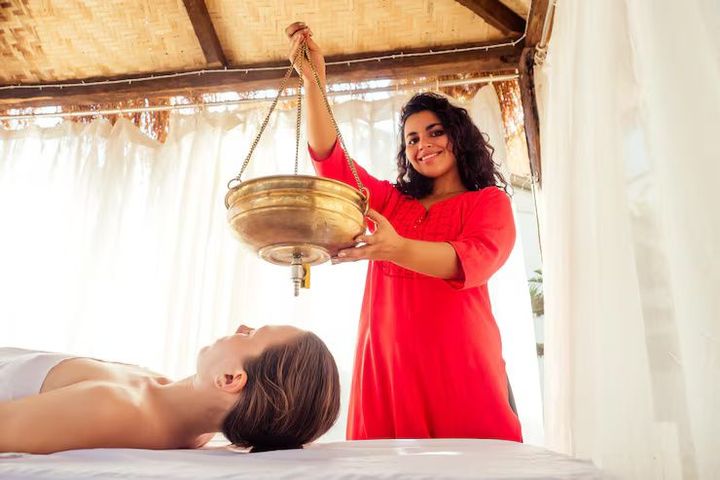
Ayurvedic massage often uses natural plant-based oils selected for different body needs. The process is designed to create a peaceful experience that supports relaxation and encourages a healthy lifestyle.
Many people include this practice in their self-care routine as part of a broader wellness journey.
Popular Types of Indian Massage
Indian massage includes several traditional techniques, each offering a unique experience.
Abhyanga Massage
Abhyanga is one of the best-known forms of Ayurvedic massage. It involves the application of warm oils with smooth, flowing strokes across the body. The goal is to create deep relaxation and encourage a sense of physical comfort.
Indian Head Massage
Indian head massage focuses on the scalp, neck, shoulders, and upper back. It is widely appreciated by people who spend long hours working at desks or using digital devices.
This technique may help reduce feelings of tension while promoting relaxation and mental calmness.
Foot and Pressure Point Massage
Traditional Indian wellness practices also recognize the importance of the feet. Gentle pressure applied to specific areas may contribute to a soothing and balanced experience.
Benefits of Indian Massage
Many people choose Indian massage because it supports a healthy and balanced lifestyle. While individual experiences vary, several commonly recognized benefits make it a popular wellness practice.
Encourages Relaxation
One of the main reasons people seek massage therapy is to unwind after a busy day. The combination of soothing touch and calming oils can help create a peaceful state of mind.
Supports Stress Management
Modern life often brings constant demands and mental pressure. Taking time for a massage session can become an important part of a personal stress management routine.
Promotes Physical Comfort
Gentle massage techniques may help reduce everyday muscle tightness and encourage greater flexibility. People with active lifestyles often include massage as part of their wellness habits.
Enhances Self-Care Practices
Self-care has become a major global wellness trend. Indian massage encourages individuals to dedicate time to personal well-being, mindfulness, and healthy living.
The Growing Global Interest in Holistic Wellness
The wellness industry continues to expand as more people look for natural approaches to relaxation and healthy living. Holistic wellness practices are becoming popular across different cultures because they focus on the connection between the body and the mind.
Industry research suggests that wellness-related activities, including massage and mindfulness practices, are experiencing steady global growth. Consumers are increasingly interested in preventive health habits that fit into everyday life.
Indian massage stands out because it combines tradition, simplicity, and a personalized approach to relaxation.
How to Make the Most of an Indian Massage Experience
A calm environment can make the experience even more enjoyable. Many people prepare by reducing distractions and allowing themselves time to fully relax.
Some helpful practices include:
Choose a Peaceful Setting
A quiet atmosphere helps create a sense of comfort and mindfulness.
Stay Hydrated
Drinking enough water is often recommended as part of a balanced wellness routine.
Focus on Relaxation
Instead of rushing through the experience, allow yourself to enjoy the calming effects and take a break from daily responsibilities.
Include Wellness Habits
Healthy nutrition, regular movement, meditation, and quality sleep can complement massage practices and contribute to overall well-being.
Indian Massage in Modern Life
As interest in natural wellness continues to grow, Indian massage remains a respected tradition that bridges ancient knowledge with modern lifestyles. Its focus on relaxation, mindfulness, and self-care makes it appealing to people from many different backgrounds.
Whether someone is exploring holistic wellness for the first time or looking to expand an existing self-care routine, Indian massage offers a gentle and meaningful way to reconnect with personal well-being.