Exploring the World of Luxury Perfumes and Signature Fragrances
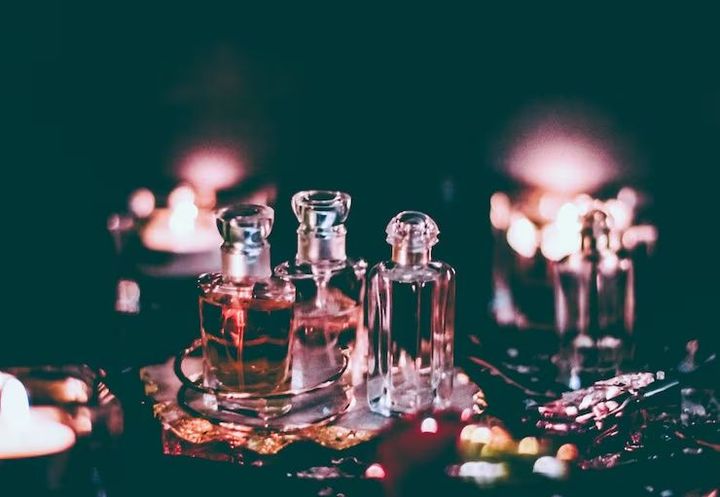
Luxury perfumes represent an intricate blend of art, chemistry, and personal identity. They exist to express individuality, evoke emotions, and create memorable sensory experiences. A perfume is more than just a pleasant scent—it tells a story through carefully balanced notes and accords.
Perfumery dates back to ancient civilizations such as Egypt, Persia, and Rome, where aromatic substances were used for rituals, identity, and beauty. Over time, perfume evolved into a refined art form connected to culture, fashion, and craftsmanship.
Today, luxury perfumes represent a blend of rare ingredients, creative composition, and technical expertise. They are designed not only for scent but also for lasting impression and personal identity.
Importance: Why Luxury Fragrances Matter Today
Luxury fragrances play a deeper role beyond aesthetics. They connect emotional memory, cultural expression, and individual identity.
Key Reasons Luxury Perfumes Are Important
- Create emotional connections through scent and memory
- Reflect cultural traditions and artistic trends
- Support sustainable and ethical sourcing practices
- Showcase innovation in fragrance creation
- Contribute to personal identity and style
Understanding fragrance structures, such as the olfactory pyramid, helps individuals appreciate how perfumes evolve over time.
Recent Developments and Trends (2024–2025)
The perfume industry has seen major changes driven by technology, sustainability, and consumer preferences.
Notable Trends
- AI-powered fragrance creation for personalized scents
- Increased use of sustainable and eco-friendly ingredients
- Growth of gender-neutral and inclusive fragrance profiles
- Digital sampling tools for virtual scent experiences
- Rise of micro-perfumery and small-batch production
- Popularity of fragrance layering for customization
Sustainability remains a key focus, with brands adopting refillable packaging and environmentally responsible production methods.
Laws and Policies: Regulation of the Perfume Industry
Luxury perfumes are governed by strict global regulations to ensure safety and transparency.
Key Regulatory Standards
- International Fragrance Association (IFRA) guidelines for ingredient safety
- EU Cosmetics Regulation (EC No 1223/2009) for labeling and safety
- Food and Drug Administration (FDA) oversight of cosmetic safety
- REACH Regulation for chemical use
- ISO 9235 for ingredient authenticity
Recent policies emphasize ingredient transparency, traceability, and environmental responsibility.
Tools and Resources for Exploring Fragrances
A wide range of tools and platforms help individuals learn about perfumes and fragrance composition.
Common Tools and Platforms
- Fragrantica for fragrance discovery
- Basenotes for reviews and discussions
- Parfumo for niche fragrances
- Perfumology App for scent analysis
- Scentbird Explorer for personalized suggestions
Tool Overview Table
| Tool Type | Function | Example Platform |
|---|---|---|
| Fragrance Discovery | Identify scent families | Fragrantica, Parfumo |
| Ingredient Database | Explore aromatic compounds | IFRA Library |
| Community Insights | Share reviews and experiences | Basenotes |
| Educational Resource | Learn fragrance chemistry | Perfumology |
| Mood-Based Finder | Match scents to preferences | Scentbird Explorer |
These tools help improve fragrance knowledge and understanding of scent composition.
Understanding Fragrance Structure
Perfumes are built using a layered structure known as the olfactory pyramid. This structure defines how a fragrance develops over time.
Fragrance Notes Table
| Note Type | Description | Duration |
|---|---|---|
| Top Notes | Initial scent impression | Short-lasting |
| Middle Notes | Core of the fragrance | Moderate duration |
| Base Notes | Long-lasting foundation | Extended duration |
This layered composition creates depth and complexity in perfumes.
FAQs: Common Questions About Luxury Perfumes
What defines a luxury perfume?
Luxury perfumes use high-quality ingredients and complex compositions. They focus on uniqueness, longevity, and craftsmanship.
What is the difference between Eau de Parfum and Eau de Toilette?
Eau de Parfum has a higher concentration of fragrance oils, making it stronger and longer-lasting than Eau de Toilette.
How do fragrance notes work?
Perfumes evolve through top, middle, and base notes, creating a layered scent experience.
Are synthetic perfumes safe?
Yes, when formulated according to safety standards, synthetic ingredients are safe and can be environmentally sustainable.
Why are sustainable perfumes popular?
They use eco-friendly ingredients, ethical sourcing, and recyclable packaging to reduce environmental impact.
Conclusion
Luxury perfumes represent a combination of art, science, and personal expression. They connect cultural traditions with modern innovation and sustainability.
As trends shift toward personalization and responsible production, fragrances continue to evolve. Understanding perfume composition and industry practices helps individuals appreciate their depth and significance in everyday life.