Extendable Dining Table Concepts: Explore Modern Designs for Flexible Dining Spaces
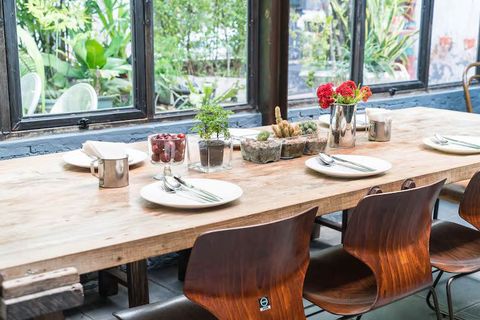
Extendable dining tables are furniture designs that allow a table to change its size through adjustable panels or extension mechanisms. These tables exist to provide flexibility in dining areas, allowing people to accommodate different numbers of guests without permanently occupying extra space.
Modern living environments, particularly in urban areas, often prioritize space efficiency and multifunctional interiors. As homes become more compact, furniture design has evolved to support flexible usage. Extendable dining tables are a key example of adaptive furniture that balances practicality and aesthetics.
An extendable dining table typically includes hidden leaves, sliding panels, or folding extensions that allow the surface to expand when needed. When not extended, it maintains a compact form suitable for daily use. This dual functionality makes it ideal for modern homes with limited space.
Common Extension Mechanisms
Extendable dining tables use various mechanisms to adjust their size. Each design supports ease of use and durability.
- Butterfly leaf systems that fold and unfold from the center
- Drop-leaf panels attached to the edges
- Slide-extension rails revealing hidden leaves
- Telescopic frame systems extending the entire tabletop
Where Extendable Tables Are Used
These tables are widely used in different types of living spaces. They support both traditional and modern interior layouts.
- Apartments and small homes
- Multifunctional living rooms
- Studio apartments
- Flexible work-and-dining spaces
Why Flexible Dining Furniture Matters Today
Flexible dining furniture has become essential as living patterns continue to evolve. Many households now require furniture that can support daily meals, work activities, and social gatherings. Extendable dining tables help meet these changing needs efficiently.
Urban housing density has increased, making large fixed tables impractical. Extendable tables allow users to adjust size based on immediate requirements. This makes them a practical solution for space management.
Key Lifestyle Benefits
Modern lifestyles demand versatility in furniture. Extendable tables support multiple activities in a single space.
- Hosting occasional guests
- Flexible family dining arrangements
- Hybrid work-from-home setups
- Multipurpose dining areas
Space and Design Advantages
Extendable tables help solve common space-related challenges. They also offer design flexibility to match different interiors.
- Efficient use of limited space
- Reduced need for additional furniture
- Adaptability for different room layouts
- Compatibility with modern aesthetics
Common Materials Used
Modern extendable tables are available in a variety of materials. These materials ensure durability and visual appeal.
- Solid wood
- Engineered wood
- Tempered glass
- Metal frames
- Ceramic tabletops
Recent Developments in Extendable Dining Table Design
Recent trends in furniture design emphasize modular and multifunctional solutions. Extendable dining tables have evolved to include innovative features that enhance usability.
One major development is the integration of smart features. Some tables now include cable management systems and wireless charging panels. These features make them suitable for modern digital lifestyles.
Emerging Design Trends
Furniture design trends in 2024 and 2025 highlight functionality and minimalism. These trends reflect changing consumer preferences.
- Lightweight composite materials for smoother operation
- Sustainable and eco-friendly materials
- Minimalist and Scandinavian-inspired designs
- Convertible dining and workspace tables
Sustainability Focus
Sustainability has become a key consideration in furniture manufacturing. Many brands are adopting environmentally responsible practices.
- Certified sustainable wood sourcing
- Low-emission finishes
- Recyclable materials
- Energy-efficient production methods
Regulations and Policies Affecting Furniture Design
Furniture design is influenced by safety and environmental regulations. These standards ensure product safety and reduce environmental impact.
Material safety regulations are especially important. Many countries limit harmful chemical emissions from furniture products.
Key Regulatory Areas
Several regulations guide the production of extendable dining tables.
- Formaldehyde emission standards for engineered wood
- Environmental regulations for sustainable sourcing
- Structural safety requirements for durability
International Compliance Standards
Different regions follow specific regulatory frameworks to ensure safety and sustainability.
- REACH regulations in the European Union
- Eco-design and environmental standards
- Consumer safety compliance guidelines
These policies encourage responsible manufacturing and improve product quality.
Tools and Resources for Planning Dining Spaces
Designing a flexible dining area requires proper planning and visualization. Digital tools help users evaluate how furniture fits into available space.
These tools are useful for homeowners, interior designers, and planners. They simplify layout decisions and improve space efficiency.
Common Planning Tools
Several digital solutions support dining space planning.
- Room layout planners
- Interior design software
- Furniture measurement calculators
- Augmented reality design apps
- Space planning templates
Key Planning Factors
When choosing an extendable dining table, certain factors should be considered. These ensure comfort and usability.
- Available floor space
- Walking clearance around the table
- Seating capacity when extended
- Storage space for additional chairs
Table Size and Seating Capacity
| Table Size (Closed) | Table Size (Extended) | Seating Capacity |
|---|---|---|
| 4 ft | 6 ft | 4–6 people |
| 5 ft | 7 ft | 6–8 people |
| 6 ft | 8–10 ft | 8–10 people |
Space Efficiency Comparison
| Furniture Type | Space Efficiency | Flexibility Level |
|---|---|---|
| Fixed Table | Moderate | Low |
| Folding Table | High | Moderate |
| Extendable Table | High | High |
A recommended guideline is to maintain at least 36 inches of walking clearance around the table. This ensures comfortable movement even when the table is extended.
Frequently Asked Questions
What is an extendable dining table?
An extendable dining table is designed with adjustable sections that allow the surface to expand or contract. It supports flexible seating arrangements for different occasions.
How does an extension mechanism work?
Extension mechanisms typically use sliding rails, folding leaves, or hidden panels. These components allow smooth expansion while maintaining stability.
Why are extendable tables useful in small homes?
They maximize space by remaining compact during daily use and expanding when additional seating is needed. This makes them ideal for small living areas.
What materials are commonly used?
Common materials include solid wood, engineered wood, glass, ceramic, and metal. These provide durability and design versatility.
Can they fit modern interiors?
Yes, extendable tables are available in minimalist designs, neutral colors, and modern materials. They blend well with contemporary interiors.
Conclusion
Extendable dining tables represent an important advancement in modern furniture design. They combine adjustable functionality with contemporary aesthetics, making them suitable for evolving living spaces.
As homes become more compact and multifunctional, adaptable furniture solutions continue to gain importance. Extendable tables provide a balance between everyday usability and occasional expansion.
Recent trends highlight sustainability, smart features, and minimalist design. Understanding these concepts helps individuals make informed decisions when planning efficient and flexible living spaces.