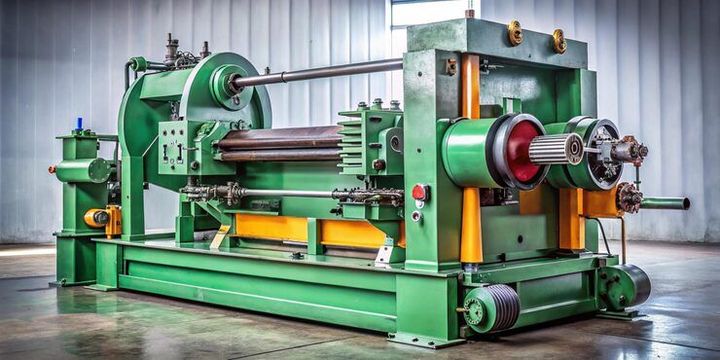
Extrusion Machinery Explained: How the Manufacturing Process Works
Take a look around your home, workplace, or local store, and you will likely notice many items that began their journey through extrusion machinery. Plastic pipes, window frames, electrical cable coverings, food products, rubber seals, and even some metal components are created using this manufacturing process. Although extrusion machinery is widely used across many industries, the process can seem difficult to understand at first.
In reality, the basic idea is quite simple. Material is heated or prepared, pushed through a specially shaped opening called a die, and transformed into a continuous product with a consistent shape.
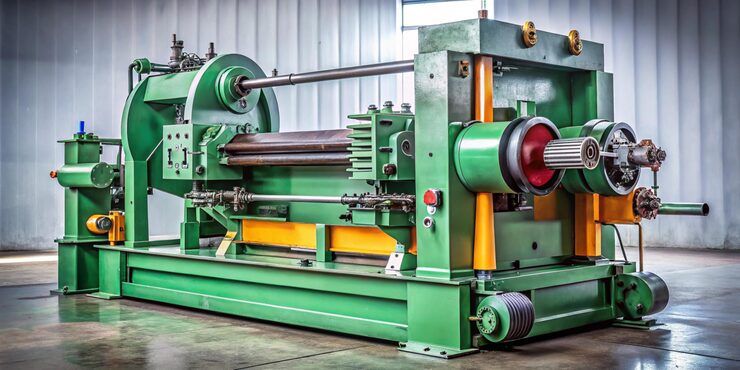
This guide explains what extrusion machinery is, how it works, the different types available, common applications, important components, and practical maintenance considerations. Whether you are learning about manufacturing or simply curious about how everyday products are made, understanding extrusion machinery provides useful insight into one of the world's most common production methods.
What Is Extrusion Machinery?
Extrusion machinery refers to equipment that forms materials into long, continuous shapes by forcing them through a specially designed die. The die determines the final cross-sectional shape of the product.
Unlike manufacturing methods that create one piece at a time, extrusion produces material continuously. Once the machine reaches steady operation, products can be created in long lengths before being cut into the required sizes.
Many materials can be processed using extrusion machinery, including:
- Plastics
- Rubber
- Aluminum
- Copper
- Food ingredients
- Ceramic materials
- Composite materials
Because many industries rely on continuous production, extrusion machinery plays an important role in modern manufacturing.
How Does Extrusion Machinery Work?
Although machines vary depending on the material, the overall process follows a similar sequence.
Step 1: Material Preparation
Raw material enters the machine through a hopper. Depending on the application, this material may be in the form of pellets, powder, granules, or prepared mixtures.
Some materials may also be blended with colorants or additives before entering the machine.
Step 2: Heating
Inside the machine, heaters gradually raise the material to the required processing temperature.
Temperature control is important because different materials soften or melt under different conditions.
Step 3: Material Movement
A rotating screw moves the material forward inside a barrel.
As the screw turns, it performs several tasks:
- Moves material forward
- Mixes the material evenly
- Builds pressure
- Creates a consistent flow
The screw is one of the most important parts of extrusion machinery because it directly affects product quality.
Step 4: Shaping Through the Die
The heated material reaches the die, which shapes it into the desired profile.
Examples include:
- Round pipes
- Flat sheets
- Tubes
- Rods
- Window profiles
- Cable insulation
The die remains fixed while material continuously passes through it.
Step 5: Cooling
Once the material leaves the die, it begins cooling.
Cooling methods depend on the product and material:
- Water baths
- Air cooling
- Cooling rollers
- Controlled cooling chambers
Proper cooling helps maintain accurate dimensions.
Step 6: Cutting or Winding
After cooling, the finished product is either:
- Cut into specific lengths
- Wound onto reels
- Collected for further processing
The final step depends on the type of product being manufactured.
Main Parts of Extrusion Machinery
Extrusion equipment contains several important components that work together.
Hopper
The hopper stores raw material before it enters the machine.
Barrel
The barrel surrounds the screw and contains heating zones that soften the material during processing.
Screw
The screw pushes, mixes, and compresses material as it moves through the barrel.
Different screw designs are used for different materials and manufacturing requirements.
Heater Bands
Heating elements around the barrel maintain the desired temperature throughout the process.
Die
The die shapes the material into its final profile.
Changing the die allows manufacturers to produce different products using the same machine.
Cooling System
Cooling equipment helps the product maintain its intended shape after leaving the die.
Cutting Equipment
Automatic cutters or winding systems prepare finished products for packaging or additional manufacturing steps.
Types of Extrusion Machinery
Different applications require different types of extrusion equipment.
Plastic Extrusion Machinery
Plastic extrusion machinery is widely used to produce:
- Water pipes
- Plastic tubing
- Packaging films
- Plastic sheets
- Window frames
- Cable coverings
This is one of the most common forms of extrusion.
Metal Extrusion Machinery
Metal extrusion shapes heated aluminum, copper, and other metals into structural components.
Examples include:
- Frames
- Heat sinks
- Rails
- Construction profiles
Rubber Extrusion Machinery
Rubber extrusion creates continuous products such as:
- Seals
- Gaskets
- Weather strips
- Hoses
Many automotive and industrial products rely on this process.
Food Extrusion Machinery
Food extrusion is used to create products with consistent shapes and textures.
Examples include:
- Pasta
- Breakfast cereals
- Snack products
- Pet food
Food extrusion combines mixing, shaping, and cooking into one continuous process.
Common Applications of Extrusion Machinery
Extrusion machinery supports production across many industries.
Construction
Construction materials produced through extrusion include:
- Pipes
- Window frames
- Wall panels
- Trim profiles
These products require consistent dimensions over long lengths.
Automotive
Vehicle manufacturers use extruded components for:
- Rubber seals
- Cable insulation
- Plastic trim
- Interior components
Electrical Industry
Extrusion is commonly used to produce protective coverings for electrical wires and communication cables.
Packaging
Flexible packaging films and protective sheets are often manufactured using extrusion processes.
Medical Manufacturing
Certain medical tubing and plastic components are produced using carefully controlled extrusion equipment.
Consumer Products
Many everyday household items contain extruded parts, including storage containers, furniture components, appliance parts, and garden products.
Advantages of Extrusion Machinery
Extrusion machinery provides several practical benefits.
Continuous Production
Because material flows continuously, long products can be produced without frequent interruptions.
Consistent Product Shape
A properly designed die helps maintain uniform dimensions throughout production.
Material Flexibility
Many materials can be processed using extrusion technology, making it suitable for diverse manufacturing needs.
Adaptable Designs
Changing dies allows different product profiles without replacing the entire machine.
Efficient Material Use
The continuous process helps reduce unnecessary material waste compared with some other manufacturing methods.
Maintenance Considerations
Regular maintenance supports reliable machine operation and consistent product quality.
Important maintenance tasks include:
- Cleaning the screw and barrel
- Inspecting heating elements
- Checking temperature sensors
- Examining dies for wear
- Lubricating moving components where required
- Monitoring cooling equipment
- Inspecting electrical connections
- Replacing worn seals and bearings
Routine inspections also help identify small issues before they affect production.
Choosing Extrusion Machinery
Several factors influence machine selection.
Manufacturers often consider:
- Material type
- Desired production volume
- Product dimensions
- Required accuracy
- Cooling method
- Available floor space
- Energy requirements
- Maintenance accessibility
Evaluating these factors helps determine which equipment is suitable for a particular manufacturing process.
Future Developments in Extrusion Machinery
Manufacturing technology continues to evolve, and extrusion machinery is becoming more advanced.
Current developments include:
- Automated monitoring systems
- Digital production controls
- Improved energy efficiency
- Smart sensors for process monitoring
- Better temperature management
- Faster production adjustments
- Data collection for quality analysis
These improvements help manufacturers maintain stable production while improving consistency.
Conclusion
Extrusion machinery is an important part of modern manufacturing and plays a role in producing many products people use every day. From plastic pipes and electrical cables to rubber seals, food products, and aluminum profiles, extrusion makes it possible to create continuous shapes with consistent quality.
Although the equipment may appear complex, the overall process is straightforward. Material is prepared, heated, moved through a shaping die, cooled, and finished for its intended application. Understanding these basic steps makes it easier to appreciate how common products are manufactured and why extrusion remains a widely used production method across many industries.