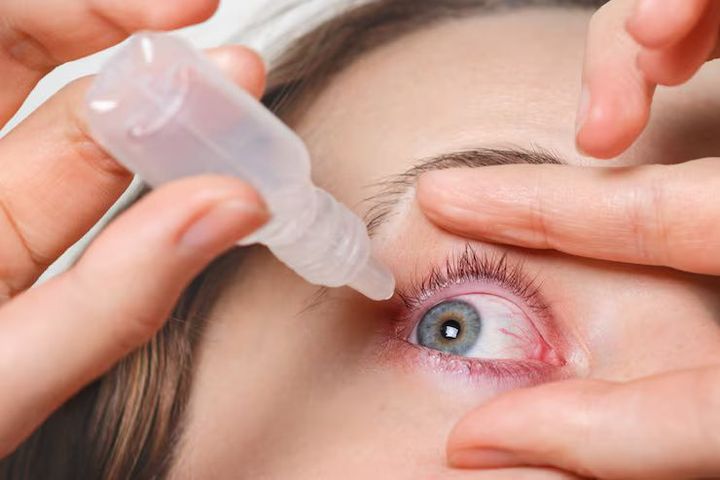
Eye Infection Prevention Guide: Learn Causes, Symptoms, and Practical Care Tips
Eye infections refer to conditions in which harmful microorganisms such as bacteria, viruses, fungi, or parasites affect the tissues of the eye. These infections can involve different parts of the eye including the eyelid, conjunctiva, cornea, or tear ducts. The most common examples include conjunctivitis, styes, keratitis, and blepharitis.
The human eye is a delicate organ designed to detect light and transmit visual signals to the brain. Because the eyes are constantly exposed to the environment, they can easily come into contact with dust, allergens, microbes, and pollutants. Preventive care helps protect vision and maintain long-term eye health.
Eye infection prevention focuses on reducing exposure to harmful microorganisms and maintaining proper hygiene. This includes safe contact lens habits, hand hygiene, eye protection, and awareness of early symptoms.
Common Causes of Eye Infection Risk
Several environmental and lifestyle factors can increase the likelihood of infection:
- Frequent touching of the eyes with unclean hands
- Exposure to contaminated water or surfaces
- Improper contact lens hygiene
- Air pollution and allergens
- Sharing personal items such as towels or cosmetics
Understanding these risks helps individuals protect their eye health and avoid complications that may affect vision quality.
Why Eye Infection Prevention Is Important Today
Eye health has become an important public health concern due to rising digital screen usage, urban pollution, and increased contact lens use. These factors can affect eye hygiene and increase infection risk.
Eye infections can affect people of all ages, including:
- Children in school environments
- Adults using digital screens for long hours
- Contact lens users
- Healthcare workers exposed to pathogens
- Elderly individuals with weaker immune systems
Common Symptoms of Eye Infections
When infections occur, they may cause:
- Redness and irritation
- Discharge or swelling
- Blurred vision
- Sensitivity to light
While many infections are mild, some conditions—such as corneal infections—may lead to serious complications if not treated early.
Benefits of Preventive Awareness
Preventive awareness helps address several challenges:
- Reducing the spread of contagious eye conditions
- Protecting workplace and school environments
- Supporting long-term vision health
- Lowering healthcare burdens from avoidable infections
Public health organizations emphasize early symptom recognition and hygiene awareness as key strategies.
Recent Developments and Eye Health Trends
In 2024 and early 2025, public health agencies increased awareness campaigns related to digital eye strain and hygiene practices. These campaigns promote safe screen usage and improved personal hygiene.
Emerging Trends in Eye Care
Some notable trends include:
- Increased use of tele-ophthalmology consultations
- Greater awareness of contact lens hygiene
- Research on antimicrobial eye protection
- Public campaigns promoting hygiene practices
Health organizations have also reported a rise in mild eye infections linked to screen exposure and environmental irritants.
Role of Technology in Eye Health
Researchers are exploring AI-based diagnostic tools that detect early signs of eye disease through digital imaging. These technologies aim to improve early detection and preventive care.
The growing use of remote healthcare consultations has also improved access to eye health advice and early symptom identification.
Eye Health Regulations and Public Health Policies
Eye infection prevention is supported by public health regulations and safety guidelines across many countries. These policies promote hygiene awareness and workplace safety.
Key Areas of Regulation
- Workplace eye safety standards
- Hygiene guidelines in schools and healthcare settings
- Contact lens manufacturing regulations
- Infection control policies in hospitals
Public Awareness Initiatives
Educational campaigns often focus on:
- Proper hand hygiene
- Safe cosmetic use
- Avoiding shared personal items
- Using protective eyewear in hazardous environments
These initiatives help ensure that individuals adopt preventive behaviors and maintain eye safety.
Helpful Tools and Resources for Eye Health Awareness
Digital tools and educational resources can help individuals learn about eye hygiene and infection prevention. These tools support better awareness and early detection.
Common Eye Health Resources
- Eye health awareness websites
- Symptom check tools
- Screen time monitoring apps
- Educational materials
- Telemedicine platforms
Eye Health Tools Comparison
| Tool Type | Purpose | Example Use |
|---|---|---|
| Screen Time Tracker | Monitor device usage | Helps reduce eye strain |
| Eye Health Websites | Provide guidance | Learn symptoms and prevention |
| Telehealth Platforms | Remote consultation | Discuss symptoms with professionals |
| Vision Testing Apps | Basic screening | Track vision changes |
Daily Eye Hygiene Practices
Health professionals recommend the following habits:
- Wash hands before touching the eyes
- Avoid sharing cosmetics or eye products
- Clean eyeglasses regularly
- Follow proper contact lens hygiene
- Take regular breaks from screens
The 20-20-20 Rule
- Every 20 minutes
- Look at something 20 feet away
- For at least 20 seconds
This rule helps reduce digital eye strain and fatigue.
Eye Infection Risk Factors
Understanding risk factors helps individuals adopt preventive measures.
| Risk Factor | Description |
|---|---|
| Poor hand hygiene | Touching eyes with contaminated hands |
| Contact lens misuse | Improper cleaning or overuse |
| Environmental irritants | Dust, smoke, pollution |
| Shared personal items | Towels, cosmetics |
| Contaminated water | Exposure to microbes |
Reducing these risks supports better eye health outcomes.
Frequently Asked Questions
What are common types of eye infections?
Common infections include conjunctivitis (pink eye), styes, blepharitis, and keratitis. Each affects different parts of the eye and may have different causes.
How do eye infections spread?
Some infections spread through direct contact, contaminated surfaces, or shared personal items. Viral and bacterial conjunctivitis are especially contagious.
What are early symptoms?
Symptoms include redness, itching, discharge, swelling, blurred vision, and light sensitivity. Persistent symptoms should be checked by a healthcare professional.
Does screen use cause infections?
Screen use does not directly cause infections but may lead to dryness and irritation, increasing vulnerability.
How can contact lens users reduce risk?
Proper hygiene, correct usage schedules, and handwashing before handling lenses can significantly reduce infection risk.
Additional Eye Hygiene Tips
Preventive habits play a key role in maintaining eye health and reducing infection risk.
Practical Daily Tips
- Avoid rubbing the eyes frequently
- Maintain clean bedding and pillowcases
- Use protective eyewear in dusty environments
- Replace cosmetic products regularly
- Maintain a balanced diet with essential vitamins
Regular eye check-ups also help detect issues early and support long-term vision care.
Conclusion
Eye infection prevention is essential for maintaining healthy vision. Since the eyes are exposed to environmental factors, proper hygiene and awareness play a critical role in reducing infection risks.
Modern lifestyles involving screens, pollution, and contact lens use make preventive education increasingly important. Simple habits like hand hygiene and symptom awareness can significantly reduce risks.
Advancements in tele-ophthalmology, digital tools, and public awareness campaigns have improved access to eye care information. By adopting preventive habits and understanding risks, individuals can support long-term eye health.