Fabric machines are mechanical and automated systems used to process fibers into textiles. They exist to transform raw materials such as cotton, wool, silk, and synthetic fibers into usable fabrics with consistent quality and structure. Before mechanization, fabric production relied heavily on manual methods, which limited output and uniformity. Fabric machines were developed to improve efficiency, accuracy, and repeatability in textile creation.
Over time, textile manufacturing evolved into a structured industrial process. Different machines were designed to handle specific stages, including spinning fibers into yarn, weaving or knitting yarn into fabric, and finishing textiles for strength, texture, and appearance. Each category of fabric machine serves a defined role within this production flow.
Today, fabric machines are central to the global textile industry. They support mass production, quality control, and innovation in fabric design. Understanding how these machines work helps explain how everyday textiles are produced at scale.
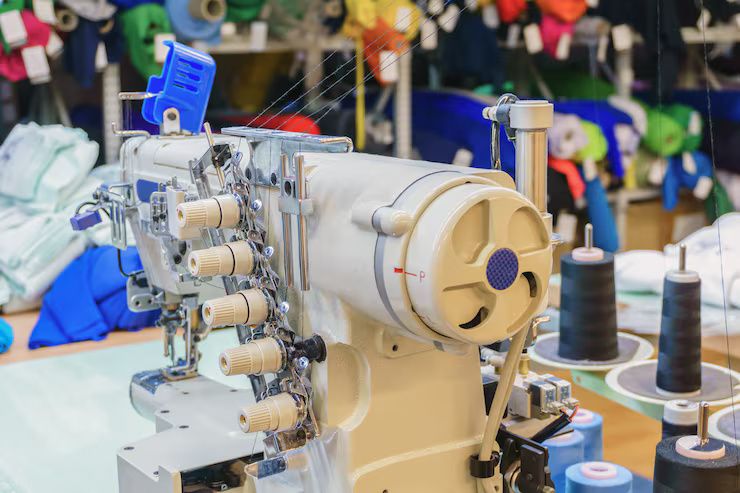
Importance: Why Fabric Machines Matter Today
Fabric machines play an essential role in modern manufacturing because textiles are widely used across clothing, home furnishings, medical materials, and industrial applications. Efficient textile production depends on reliable machinery that can maintain consistency while meeting growing demand.
Key reasons fabric machines are important include:
-
Ability to process large volumes of fabric efficiently
-
Improved consistency in texture, thickness, and strength
-
Support for complex fabric patterns and structures
-
Reduced material waste through controlled processing
Fabric machines affect a wide range of stakeholders, including textile engineers, designers, manufacturers, and supply chain planners. Without advanced machinery, it would be difficult to meet modern expectations for quality and volume.
Problems fabric machines help address:
-
Irregular fabric quality caused by manual variation
-
Slow production speeds
-
Difficulty handling advanced or blended fibers
As textile applications expand into technical and functional fabrics, the role of specialized machines continues to grow.
Recent Updates: Trends and Developments in Fabric Machines
During the past year, fabric machines have seen notable advancements focused on automation, digital control, and sustainability. Developments in 2025 highlighted the integration of smart technologies into traditional textile equipment.
Key updates observed in 2025 include:
-
Increased automation: Fabric machines now use sensors and software to monitor tension, speed, and alignment
-
Energy-efficient designs: Manufacturers introduced machines that optimize power usage
-
Digital pattern control: Computerized systems allow precise and repeatable fabric designs
-
Support for technical textiles: Machines adapted to handle high-performance and composite fibers
Industry exhibitions held in early and mid-2025 showcased fabric machines with enhanced monitoring capabilities, enabling real-time adjustments during production. These improvements aim to improve fabric consistency while reducing operational interruptions.
Overall, recent updates reflect a shift toward smarter, data-driven textile manufacturing environments.
Laws and Policies: Regulations Affecting Fabric Machine Use
Fabric machines are influenced by industrial safety regulations, environmental standards, and quality guidelines. These rules aim to ensure safe operation, responsible resource use, and consistent textile output.
Common regulatory areas include:
-
Machine safety and operator protection
-
Noise and emissions control
-
Energy efficiency standards
-
Waste and effluent management
International standards published by ISO provide general guidelines for machinery safety and quality management. In India, textile manufacturing is supported and guided by policies linked to the Ministry of Textiles, which promotes modernization and sustainable practices.
Compliance with these regulations helps maintain safe working environments and encourages responsible textile production across the industry.
Types of Fabric Machines and Their Functions
Fabric machines can be grouped based on the stage of textile production they support. Each type performs a specific function within the overall manufacturing process.
Common categories of fabric machines include:
-
Spinning machines: Convert fibers into yarn
-
Weaving machines: Interlace yarns to form woven fabrics
-
Knitting machines: Create fabric by forming loops of yarn
-
Dyeing machines: Apply color evenly to textiles
-
Finishing machines: Enhance texture, strength, and appearance
Overview of fabric machine types:
| Machine Type | Primary Function | Typical Fabric Output |
|---|---|---|
| Spinning Machine | Yarn formation | Yarn for weaving or knitting |
| Loom | Weaving | Woven fabrics |
| Knitting Machine | Loop formation | Knitted fabrics |
| Dyeing Machine | Color application | Colored textiles |
| Finishing Machine | Surface treatment | Final fabric properties |
This classification shows how different machines work together to produce finished fabrics suitable for various uses.
Uses of Fabric Machines Across Industries
Fabric machines support textile production for a wide range of applications beyond clothing. Their versatility allows manufacturers to meet diverse material requirements.
Common uses of fabric machines include:
-
Apparel and fashion textiles
-
Home textiles such as curtains and upholstery
-
Medical and hygiene fabrics
-
Industrial and technical textiles
For example, weaving and knitting machines are adapted to create fabrics with specific strength, flexibility, or breathability. Finishing machines further modify these textiles to meet functional or aesthetic needs.
The ability to customize fabric properties makes fabric machines essential for innovation in textile applications.
Tools and Resources: Helpful References for Fabric Machine Knowledge
Learning about fabric machines is supported by technical tools, educational platforms, and industry references. These resources help users understand machine operation, maintenance, and textile processes.
Useful categories of tools and resources include:
-
Textile machinery manuals and technical guides
-
Production planning and simulation software
-
Fabric testing and quality analysis tools
-
Industry publications and standards documents
Examples of commonly referenced resources:
| Resource Type | Purpose | Typical Use |
|---|---|---|
| Technical Manuals | Machine understanding | Operation guidance |
| Textile Standards | Quality benchmarks | Compliance reference |
| Fabric Testing Tools | Property analysis | Quality evaluation |
| Production Software | Workflow planning | Process optimization |
Organizations such as BIS provide specifications related to textile materials and machinery performance. These references help ensure clarity and consistency in textile manufacturing knowledge.
FAQs: Common Questions About Fabric Machines
What are fabric machines used for?
Fabric machines are used to convert fibers into yarn and yarn into fabric, followed by processing steps that improve usability and quality.
Are all fabric machines fully automated?
No. Fabric machines range from manual and semi-automatic to fully automated systems, depending on design and application.
Do fabric machines work with natural and synthetic fibers?
Yes. Many modern machines are designed to handle natural, synthetic, and blended fibers.
How do fabric machines affect fabric quality?
Machine precision influences fabric consistency, strength, and appearance, making equipment selection and setup important.
Can fabric machines support new textile materials?
Recent designs increasingly support advanced and technical fibers used in specialized applications.
Conclusion: Understanding the Role of Fabric Machines
Fabric machines form the foundation of textile manufacturing by enabling efficient, consistent, and scalable fabric production. From spinning and weaving to dyeing and finishing, each machine contributes to transforming raw fibers into usable textiles.
By understanding the context, importance, recent developments, regulations, and available resources related to fabric machines, readers gain a clearer picture of how textiles are produced and improved. As materials and applications continue to evolve, fabric machines will remain essential to supporting innovation and reliability in the textile industry.