Factory Climate Control Optimization Guide for Efficient Industrial Environments
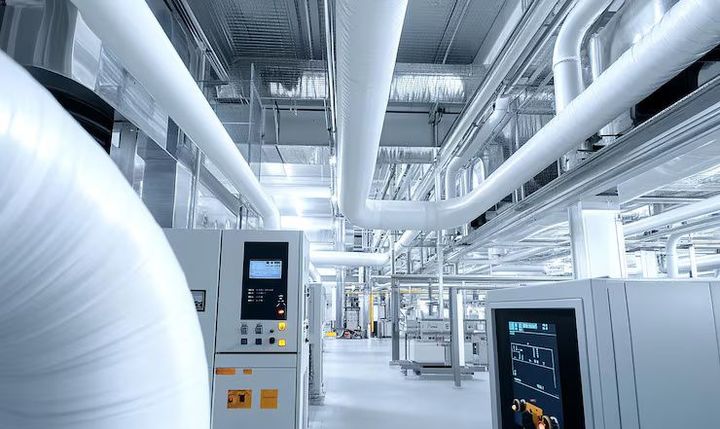
Factory climate control optimization refers to the process of managing temperature, humidity, airflow, and air quality within industrial environments to ensure efficiency, safety, and consistent production outcomes. It combines technologies like HVAC systems, automation, and environmental sensors to maintain ideal operating conditions.
Industries such as manufacturing, pharmaceuticals, food processing, and electronics rely heavily on controlled environments. Even small fluctuations in temperature or humidity can impact product quality, machinery performance, and worker comfort.
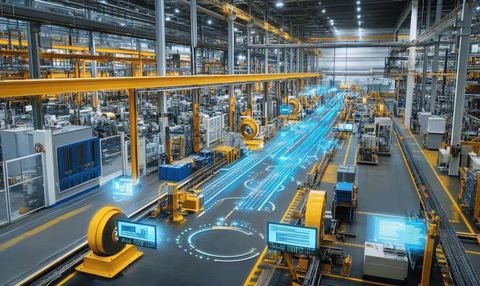
Factories operate under changing external weather conditions and internal heat loads generated by machinery. Without proper optimization, these factors can lead to inefficiencies, higher energy consumption, and inconsistent outputs. Modern systems now use smart monitoring and predictive controls to dynamically maintain optimal conditions.
Why Factory Climate Control Optimization Matters Today
Climate control optimization has become essential due to increasing energy demands, stricter regulations, and the need for consistent product quality. It plays a direct role in improving efficiency and sustainability.
Key Benefits
- Energy Efficiency: Reduces electricity consumption and improves operational performance
- Product Quality: Maintains stable conditions to prevent defects
- Worker Comfort: Enhances productivity and safety through proper ventilation
- Equipment Longevity: Minimizes wear and tear on machinery
- Sustainability Goals: Supports reduced emissions and environmental compliance
Industries with high heat loads or humidity variations benefit the most. Data-driven HVAC systems can automatically adjust airflow and temperature based on real-time factory conditions.
Comparison: Traditional vs Optimized Systems
| Factor | Traditional Systems | Optimized Systems |
|---|---|---|
| Energy Use | High | Reduced |
| Temperature Control | Manual/Static | Automated/Dynamic |
| Maintenance | Reactive | Predictive |
| Air Quality Monitoring | Limited | Continuous |
| Operational Efficiency | Moderate | High |
Recent Updates and Trends (2025–2026)
Factory climate control has evolved rapidly due to digital transformation and sustainability initiatives. New technologies are improving both efficiency and control.
Key Trends
- AI-Based HVAC Optimization (2025): Predicts temperature changes and optimizes cooling cycles
- IoT Sensor Integration: Monitors humidity, airflow, and pollutants in real time
- Energy Management Systems (EMS): Tracks and reduces energy consumption
- Green Building Standards Expansion (2025): Increased adoption of sustainability certifications
- Carbon Reduction Initiatives (2026): Use of low-emission cooling technologies
These advancements are helping industries transition toward smarter and more efficient environmental control systems.
Laws and Policies Affecting Climate Control
Factory climate control is shaped by environmental regulations, workplace safety rules, and energy efficiency policies. These frameworks encourage sustainable and safe industrial practices.
Key Regulatory Areas
- Energy Efficiency Standards: Promote reduced industrial energy consumption
- Air Quality Regulations: Set limits on emissions and indoor pollutants
- Occupational Safety Rules: Ensure safe temperatures and proper ventilation
- Environmental Protection Policies: Focus on lowering carbon footprints
Key Initiatives in India
- Energy Conservation Act: Encourages efficient energy use
- Bureau of Energy Efficiency (BEE) Programs: Promotes best practices and technologies
- National Action Plan on Climate Change (NAPCC): Supports sustainable industrial development
Compliance with these policies improves operational performance while ensuring environmental responsibility.
Tools and Resources for Optimization
Various tools help industries implement effective climate control strategies. These tools range from monitoring devices to advanced automation systems.
Common Tools
- HVAC Management Systems: Centralized control of heating, ventilation, and air conditioning
- IoT Sensors: Real-time tracking of temperature, humidity, and air quality
- Energy Analytics Software: Identifies inefficiencies and consumption patterns
- Building Management Systems (BMS): Integrates multiple environmental controls
- Digital Twin Technology: Simulates factory conditions for planning
- Airflow Simulation Software: Designs efficient ventilation systems
Example Table: Common Tools and Uses
| Tool Type | Purpose |
|---|---|
| IoT Sensors | Real-time environmental monitoring |
| Energy Dashboards | Analyze energy consumption |
| Predictive Maintenance | Detect issues early |
| Automation Controllers | Adjust system settings automatically |
| Data Analytics Platforms | Optimize performance using insights |
These tools enable a shift from reactive management to proactive optimization.
Frequently Asked Questions (FAQs)
What is factory climate control optimization?
It is the process of managing temperature, humidity, and airflow in factories to improve efficiency, safety, and product quality.
Why is climate control important in manufacturing?
It ensures consistent production, protects equipment, improves worker comfort, and reduces energy consumption.
How does automation help in climate control?
Automation uses sensors and software to adjust environmental conditions in real time. This reduces manual intervention and improves accuracy.
What industries benefit the most?
Industries such as pharmaceuticals, food processing, electronics, and textiles benefit significantly due to their sensitivity to environmental changes.
What are the main challenges?
Challenges include high initial setup complexity, integration with existing systems, and maintaining accurate sensor data.
Conclusion
Factory climate control optimization is essential for modern industrial operations. It ensures stable environments, improves energy efficiency, and supports sustainability goals.
As industries adopt technologies like IoT and AI, climate control systems are becoming more intelligent and adaptive. With increasing regulatory pressure, optimization is no longer optional but necessary for long-term growth and efficiency.