Filling machines are industrial systems designed to measure and dispense specific quantities of liquids, powders, granules, or semi-solid substances into containers. They exist to ensure accuracy, consistency, and hygiene during packaging processes. As production volumes increased with industrialization, manual filling methods became inefficient and inconsistent, leading to the development of mechanical and automated filling equipment.
Today, filling machines are a core part of packaging lines used in sectors such as food processing, pharmaceuticals, chemicals, cosmetics, agriculture, and consumer goods manufacturing. These machines support controlled filling operations that align with quality standards, reduce material waste, and maintain uniform output across large-scale production environments.
Over time, filling machine designs have evolved to handle a wide range of container shapes, material viscosities, and production speeds. From basic gravity-based systems to advanced electronically controlled units, filling machines now reflect modern requirements for precision, safety, and operational reliability.
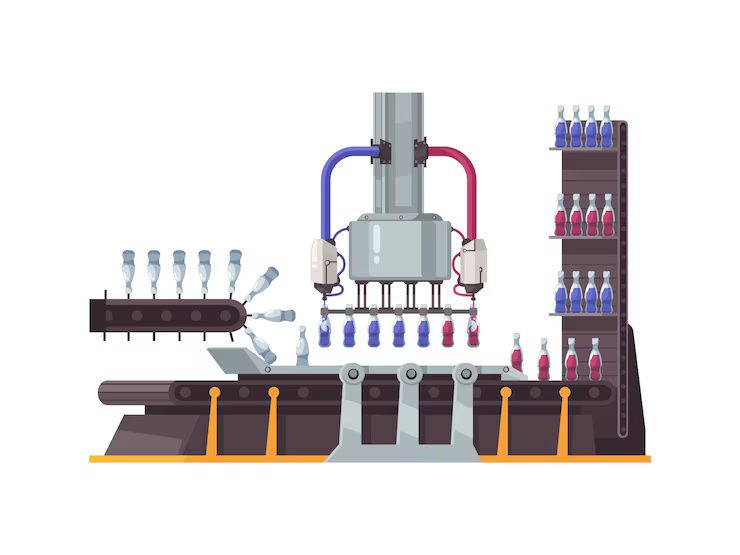
Importance: Why Filling Machines Matter Today
Filling machines are important because accurate filling directly affects product consistency, safety, and compliance. Incorrect fill levels can result in quality issues, regulatory concerns, or material loss. This topic matters to production engineers, quality managers, plant operators, and compliance teams who oversee packaging and manufacturing workflows.
Key reasons filling machines are essential today include:
-
Increased demand for standardized packaging across global markets
-
Strict hygiene and accuracy expectations in regulated industries
-
High-volume production requiring repeatable and controlled processes
-
Reduced tolerance for material variation and handling errors
Filling machines help solve problems related to inconsistent quantities, contamination risks, and inefficient manual handling. Their use supports predictable output, improved traceability, and safer production environments.
Common Filling Machine Designs and How They Work
Filling machines are categorized based on how they measure and dispense material. Each design suits different product characteristics and operational requirements.
Common filling machine designs include:
-
Gravity filling machines, which rely on natural flow for low-viscosity liquids
-
Piston filling machines, using volumetric displacement for thicker products
-
Pump filling machines, suitable for a wide range of viscosities
-
Auger filling machines, designed for powders and granular materials
-
Overflow filling machines, ensuring uniform fill levels in transparent containers
Table: Filling Machine Designs and Typical Applications
| Filling Design | Material Type | Typical Industry Use |
|---|---|---|
| Gravity Filling | Thin liquids | Beverage processing |
| Piston Filling | Thick or viscous materials | Food and chemical |
| Pump Filling | Variable viscosity | Cosmetics and chemicals |
| Auger Filling | Powders and granules | Agriculture and pharma |
| Overflow Filling | Clear liquids | Consumer packaging |
Selecting the correct design helps ensure accuracy, reduces spillage, and maintains consistent container appearance.
Industry Uses of Filling Machines
Filling machines are applied across multiple industries, each with specific operational requirements. Their adaptability makes them suitable for both continuous production lines and batch-based operations.
Key industry uses include:
-
Food and beverage, where hygiene and portion consistency are critical
-
Pharmaceutical manufacturing, requiring precise dosage control
-
Chemical processing, handling corrosive or sensitive substances
-
Cosmetics and personal care, supporting uniform container presentation
-
Agricultural inputs, such as seeds, fertilizers, and supplements
Graph Representation: Distribution of Filling Machine Usage by Industry
| Industry Sector | Relative Usage Level |
|---|---|
| Food and Beverage | High |
| Pharmaceuticals | High |
| Chemicals | Moderate |
| Cosmetics | Moderate |
| Agriculture | Growing |
These industries rely on filling machines to meet safety standards, improve efficiency, and maintain product integrity.
Recent Updates: Trends and Changes in the Past Year
In 2024 and early 2025, filling machine technology reflected broader automation and digitalization trends. One significant update was the wider adoption of servo-driven filling systems. These systems allow more precise control over fill volume and speed, reducing variation during high-speed operations.
Another trend observed in late 2024 was the increased use of integrated sensors for real-time monitoring. These sensors track fill accuracy and detect anomalies, supporting quality assurance and reducing manual inspection requirements.
Sustainability considerations also influenced design updates. Manufacturers introduced improvements aimed at reducing material waste and improving energy efficiency. Additionally, modular filling systems gained attention in 2024, allowing easier reconfiguration for different container sizes and materials.
Laws and Policies Affecting Filling Machines
Filling machine operation is influenced by industrial safety regulations, hygiene standards, and quality control policies. In many countries, packaging equipment used in regulated sectors must comply with established guidelines to ensure consumer safety and environmental protection.
Key regulatory considerations include:
-
Equipment hygiene standards for food and pharmaceutical production
-
Occupational safety rules covering mechanical and electrical systems
-
Measurement accuracy requirements under legal metrology frameworks
Government-supported manufacturing modernization programs also encourage the adoption of standardized and compliant machinery. These policies aim to improve production quality, reduce waste, and support international trade requirements.
Tools and Resources Related to Filling Machines
Several technical tools and references support the understanding and effective use of filling machines. These resources focus on accuracy, compliance, and operational consistency.
Helpful tools and resources include:
-
Filling volume calculation charts and reference tables
-
Equipment operation and maintenance manuals
-
Hygiene and cleaning validation checklists
-
Process flow templates for packaging lines
-
Industry standards documents for packaging equipment
Table: Example Fill Accuracy Tolerance by Product Type
| Product Type | Typical Tolerance Range |
|---|---|
| Thin Liquids | Narrow |
| Thick Liquids | Moderate |
| Powders | Moderate |
| Granules | Wider |
Using these tools helps align filling operations with technical and regulatory expectations.
FAQs: Common Questions About Filling Machines
What factors determine the choice of a filling machine design?
Product viscosity, container type, required accuracy, and production volume are key factors influencing design selection.
How do filling machines improve accuracy?
They use controlled mechanical or electronic systems to dispense consistent quantities, reducing human error.
Are filling machines suitable for different container sizes?
Many systems support adjustable settings or modular components to accommodate varying container dimensions.
Why is hygiene important in filling machine operation?
Proper hygiene prevents contamination, supports regulatory compliance, and protects product quality.
What causes filling inconsistencies?
Common causes include incorrect calibration, material property changes, or worn mechanical components.
Conclusion
Filling machines play a vital role in modern manufacturing and packaging by ensuring accurate, consistent, and hygienic dispensing of materials. Their common designs address different product characteristics and industry requirements, supporting a wide range of applications. Recent updates highlight increased automation, monitoring, and efficiency, while regulations guide safe and standardized use.
A clear understanding of filling machine facts, designs, and industry uses helps improve production reliability and quality control. By applying appropriate tools, references, and standardized practices, organizations can maintain dependable filling operations across diverse industrial environments.