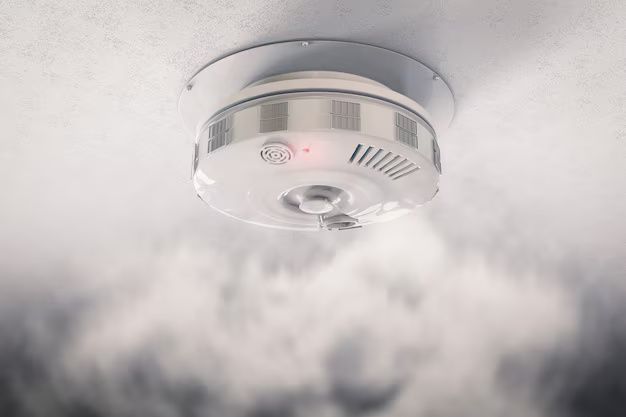
Fire alarm systems are essential safety technologies designed to detect and alert individuals to the presence of fire, smoke, or carbon monoxide. These systems use sensors and communication networks to trigger alarms, allowing for early evacuation and emergency response.
The concept of automated fire detection has evolved significantly over the past century. Early systems relied on heat-sensitive devices that activated when temperatures rose beyond a certain point. Modern fire alarm systems now combine optical, ionization, and digital technologies to detect smoke and heat more accurately.
With the integration of the Internet of Things (IoT) and smart sensors, fire alarms have transitioned from standalone devices to interconnected safety networks. These systems are now capable of sending alerts directly to smartphones, emergency centers, and building management platforms, improving response times and overall safety.
Importance
Fire alarm systems play a vital role in protecting lives, property, and infrastructure. They are required in nearly all commercial buildings, residential complexes, and public institutions.
1. Early Detection and Prevention
Modern fire alarms can detect the presence of smoke or heat before flames are visible. This early warning allows occupants to evacuate safely and emergency services to respond promptly.
2. Safety Compliance and Legal Requirements
Fire alarms are a fundamental part of safety compliance for building regulations worldwide. Failure to install or maintain them properly can result in severe penalties or legal liabilities.
3. Enhanced Public Safety in Large Buildings
Hospitals, schools, factories, and shopping centers rely heavily on fire alarm systems that coordinate with sprinklers, emergency lighting, and evacuation protocols.
4. Integration with Smart Building Systems
New fire alarm technologies can connect to centralized monitoring systems, allowing facility managers to view real-time alerts and data remotely.
5. Economic and Environmental Protection
By minimizing damage through early detection, fire alarm systems help reduce insurance claims, property loss, and the environmental impact of fires.
Recent Updates
In 2024 and 2025, significant advancements have been made in the fire safety industry, especially concerning digital integration, artificial intelligence, and sustainability.
| Recent Trend (2024–2025) | Description |
|---|---|
| AI-Powered Fire Detection | Advanced systems use artificial intelligence to differentiate between real fire threats and false alarms by analyzing heat and smoke patterns. |
| Wireless Fire Alarm Systems | Elimination of complex wiring through secure wireless communication networks, making installation easier and more cost-efficient. |
| Smart Building Integration | Integration with IoT and cloud-based platforms allows real-time monitoring and remote control via apps. |
| Environmental Monitoring Sensors | Modern devices also monitor air quality, carbon monoxide levels, and temperature for comprehensive safety coverage. |
| Sustainability and Energy Efficiency | Manufacturers now design low-power devices that use recyclable materials and have longer lifespans. |
For example, in early 2025, companies like Siemens and Honeywell announced new AI-enabled fire safety platforms capable of predictive maintenance—alerting technicians when a system component is at risk of failure before it happens.
The global market for smart fire detection technology is expected to grow by 9.4% annually (2024–2029), driven by stricter building codes and the adoption of IoT systems in commercial facilities.
Laws or Policies
Fire alarm systems are subject to various international and national regulations to ensure consistency, safety, and reliability.
1. International Fire Safety Standards
-
The NFPA 72 (National Fire Alarm and Signaling Code) in the United States sets requirements for installation, performance, and maintenance.
-
The European Standard EN 54 outlines technical specifications for fire detection and alarm systems in the European Union.
-
ISO 7240 provides global guidelines for fire alarm design, testing, and performance standards.
2. Building Regulations and Local Codes
Most countries require all commercial and residential buildings above a certain size to install certified fire detection systems.
For instance:
-
The UK Building Regulations 2023, Part B mandates fire alarms in multi-story residential buildings.
-
In India, the National Building Code (NBC 2016) requires automatic fire detection systems in high-rise and industrial structures.
3. Maintenance and Inspection Laws
Regulations typically demand regular inspection of fire alarms, often semi-annually or annually, by certified professionals to ensure functionality and compliance.
4. Data Protection and Connectivity Policies
As fire alarms integrate with cloud and mobile systems, compliance with data security laws such as the GDPR (Europe) and Cybersecurity Frameworks (U.S. NIST) is increasingly relevant.
5. Accessibility and Inclusivity Rules
Fire alarm systems in public areas must include visual signals, vibrating alarms, and text alerts to accommodate individuals with hearing impairments.
Tools and Resources
Numerous platforms and tools assist in designing, maintaining, and monitoring fire alarm systems effectively.
| Tool / Platform | Functionality |
|---|---|
| NFPA Codes and Standards App | Provides digital access to fire safety codes and best practices. |
| Fire Alarm Design Calculators (Online) | Help engineers calculate circuit loads and voltage drops for compliant installations. |
| Building Information Modeling (BIM) | Used for planning fire alarm integration within large infrastructure projects. |
| Honeywell Connected Life Safety Services (CLSS) | A cloud-based tool for remote monitoring and compliance management. |
| Fire-Lite Alarms Software | Allows configuration, testing, and documentation of fire detection systems. |
| Government Fire Safety Portals | Provide local regulations, inspection schedules, and certification requirements. |
These resources help ensure that fire detection systems operate efficiently while meeting regional and international safety standards.
FAQs
Q: What are the main components of a fire alarm system?
A: Core components include smoke detectors, heat detectors, control panels, manual call points, alarm sounders, and visual indicators. Together, they detect hazards and trigger alerts.
Q: What causes false alarms in fire detection systems?
A: Common causes include dust, humidity, cooking fumes, and improper sensor placement. Advanced systems now use AI filters to minimize such errors.
Q: How often should fire alarm systems be tested?
A: Most regulatory bodies recommend testing at least once per month, with professional inspections every six to twelve months, depending on the type of facility.
Q: Are wireless fire alarms reliable?
A: Yes, modern wireless systems use encrypted signals and mesh networking for stability, ensuring they perform as reliably as wired systems when properly maintained.
Q: Can smart home systems connect with fire alarms?
A: Many fire alarm systems integrate with smart home platforms such as Google Home, Alexa, and Apple HomeKit, enabling real-time notifications and voice alerts.
Conclusion
Fire alarm systems remain one of the most essential safety technologies in the modern world. With rapid advancements in AI, wireless communication, and smart integration, these systems are becoming more efficient, reliable, and user-friendly.
Their evolution reflects a broader focus on proactive safety management—detecting risks before they escalate into emergencies. Compliance with international regulations such as NFPA 72 and ISO 7240 ensures that these systems maintain consistent quality and performance across the globe.
As urbanization and smart building development continue, fire alarm systems will play an even greater role in protecting people, assets, and environments. Understanding how they function, the laws governing them, and the available technological tools can help individuals and organizations ensure the highest level of fire safety.