Food Inventory Systems Guide: Insights for Smarter Kitchen Tracking
Food inventory systems are digital tools used to track ingredients, packaged items, and kitchen supplies across restaurants, hotels, cafeterias, and other food-related operations.
These systems developed as food businesses moved away from handwritten logs and manual spreadsheets toward more organized methods of monitoring stock levels, storage conditions, and usage patterns.
An inventory system for restaurants typically records incoming supplies, tracks ingredient usage, and helps kitchen teams understand what items are available at any time. Many systems now connect with mobile devices, barcode scanners, and cloud storage to simplify daily kitchen operations.
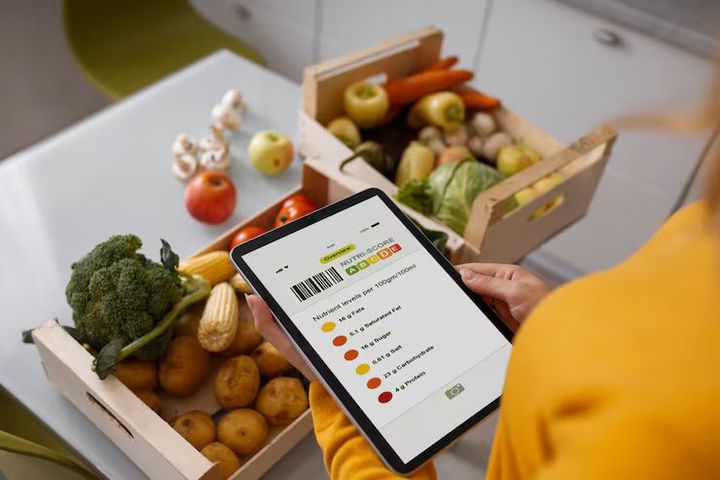
Cloud based food inventory systems have become more common because they allow managers to view inventory data from multiple locations using internet-connected devices. At the same time, food inventory systems with mobile app features make it easier for kitchen staff to update stock counts directly from storage rooms or kitchen stations.
Food inventory control systems are used in many environments, including restaurants, hotels, hospitals, school cafeterias, and catering facilities. Food inventory systems for hotels often include additional tracking for banquet operations, room dining, and multiple kitchen locations within the same property.
Importance
Reducing Food Waste
Food waste is a major concern for kitchens around the world. When ingredients expire before use or are over-purchased, businesses may discard large amounts of food. A restaurant stock management system helps track expiration dates, storage conditions, and ingredient movement.
By monitoring inventory more closely, kitchens can better understand which ingredients move quickly and which remain unused for longer periods. This information supports more accurate planning and reduces unnecessary waste.
Supporting Daily Kitchen Operations
Modern kitchens often handle hundreds of ingredients at the same time. Manual tracking methods can become difficult during busy periods. Food inventory systems help organize stock information into a central location that kitchen teams can access more easily.
Common operational tasks supported by these systems include:
- Tracking ingredient quantities
- Monitoring incoming deliveries
- Recording spoilage or waste
- Checking storage levels
- Creating reorder reminders
- Managing supplier information
Improving Food Safety
Food safety regulations in many countries require accurate tracking of ingredients and storage conditions. Food inventory control systems help maintain records related to product handling, expiration dates, and temperature-sensitive storage.
If a food recall occurs, inventory systems may help kitchens identify affected products more quickly. This can reduce confusion and support compliance with local health regulations.
Helping Multi-Location Operations
Food inventory systems for hotels and restaurant groups often support multiple kitchens or branches. Centralized systems allow management teams to compare inventory usage across locations and identify differences in stock movement.
Cloud based food inventory systems are especially useful in these situations because information can be updated in real time from different locations.
Recent Updates
Increased Use of Mobile Applications
Between 2024 and 2026, more kitchens have adopted food inventory systems with mobile app functions. Staff members can now use smartphones or tablets to update stock counts directly from storage areas.
Mobile access also supports faster inventory checks during busy operating hours. Some systems include barcode scanning and photo-based inventory records to simplify data entry.
Integration With Point-of-Sale Systems
Many inventory tools now connect directly with restaurant ordering systems. When a menu item is purchased, ingredient quantities may automatically adjust in the inventory record.
This type of integration helps reduce manual entry and improves tracking accuracy. Inventory system for restaurants platforms increasingly include reporting tools that compare sales data with ingredient usage.
Cloud-Based Storage Expansion
Cloud based food inventory systems continue to grow because they allow data access from different devices and locations. This trend supports remote monitoring and centralized management for hotel kitchens, restaurant chains, and catering groups.
Cloud systems also simplify software updates since changes are handled through internet-based platforms instead of local installations.
Data Analysis and Forecasting
Some food inventory systems now include basic forecasting tools that estimate future ingredient needs based on historical usage patterns. These tools may help kitchens prepare for seasonal demand changes, special events, or holiday periods.
The table below shows several common features found in modern food inventory control systems.
| Feature | Main Purpose | Common Users |
|---|---|---|
| Barcode Scanning | Faster inventory entry | Restaurants and hotels |
| Cloud Storage | Remote data access | Multi-location operations |
| Mobile App Access | Real-time stock updates | Kitchen staff |
| Expiration Tracking | Food safety monitoring | Food preparation teams |
| Supplier Records | Delivery organization | Purchasing departments |
| Usage Reports | Ingredient analysis | Managers and chefs |
Sustainability Tracking
Environmental concerns have also influenced kitchen management practices. Some restaurant stock management system platforms now include waste tracking dashboards that monitor discarded ingredients and unused products.
These reporting tools help kitchens understand waste patterns and support sustainability planning.
Laws or Policies
Food Safety Regulations
Many countries require food businesses to follow strict food handling and storage regulations. Inventory records can support compliance with these rules by documenting ingredient movement and storage practices.
For example, kitchens may need to record:
- Product arrival dates
- Expiration information
- Storage temperatures
- Supplier details
- Batch or lot numbers
Food inventory systems help organize these records in a structured format.
Digital Recordkeeping Requirements
In some regions, health authorities increasingly accept digital documentation during inspections. Cloud based food inventory systems may assist businesses in maintaining organized records for review.
However, requirements vary depending on local laws and the type of food operation involved. Restaurants, hotels, and catering facilities may face different reporting obligations.
Data Privacy and Cybersecurity
Since many inventory tools store information online, businesses must also consider data privacy rules. Systems that process employee records, supplier details, or operational information may need to follow national or regional data protection regulations.
Organizations using food inventory systems with mobile app access often implement password controls, user permissions, and secure login procedures to protect operational data.
Hotel and Hospitality Compliance
Food inventory systems for hotels may also connect with hospitality management platforms. In some countries, hotel operations must maintain records related to banquet preparation, guest dining operations, and food storage practices.
These requirements can influence how inventory systems are configured and maintained.
Tools and Resources
Spreadsheet Templates
Some kitchens continue using spreadsheet-based tracking systems for smaller operations. Templates commonly include sections for:
- Ingredient names
- Quantity tracking
- Supplier information
- Expiration monitoring
- Daily usage logs
These templates may be useful for organizations transitioning from paper records to digital inventory management.
Inventory Management Platforms
Many software companies develop food inventory systems for restaurants, hotels, and catering operations. Common platform features include cloud access, inventory reports, barcode scanning, and mobile compatibility.
Examples of widely known platforms include:
- Oracle Hospitality
- Toast
- Square
- MarketMan
- Lightspeed
Different systems focus on different operational needs, including hotel kitchens, restaurant groups, school cafeterias, or catering operations.
Barcode and Scanning Tools
Barcode scanners are often used alongside food inventory control systems to speed up inventory updates. Some mobile applications also allow devices to scan product labels using built-in cameras.
This reduces manual typing and may improve inventory accuracy during stock counts.
Training Resources
Industry associations, hospitality schools, and food safety organizations often provide educational materials related to kitchen inventory management. These resources may include:
- Food storage guides
- Waste reduction checklists
- Inventory count procedures
- Food safety documentation examples
- Digital inventory tutorials
FAQs
What are food inventory systems?
Food inventory systems are digital or manual tools used to track ingredients, packaged foods, and kitchen supplies. They help restaurants, hotels, and food operations monitor stock levels, expiration dates, and ingredient usage.
How does an inventory system for restaurants work?
An inventory system for restaurants records incoming products, tracks ingredient usage, and updates stock information as food items are prepared or used. Some systems also connect with ordering and payment platforms for automatic inventory adjustments.
Why are cloud based food inventory systems becoming more common?
Cloud based food inventory systems allow users to access inventory data from different devices and locations through internet-connected platforms. This supports remote monitoring, multi-location coordination, and centralized reporting.
Are food inventory systems with mobile app access useful for small kitchens?
Food inventory systems with mobile app features can help small kitchens update inventory records directly from storage rooms or kitchen stations. Mobile access may simplify inventory checks and reduce manual paperwork.
What is the difference between a restaurant stock management system and general inventory software?
A restaurant stock management system is designed specifically for food operations. It often includes features related to ingredient tracking, expiration monitoring, recipe usage, and food safety documentation that general inventory software may not include.
Conclusion
Food inventory systems play an important role in modern kitchen operations by helping organizations track ingredients, reduce waste, and maintain organized records. Restaurants, hotels, and catering facilities increasingly use digital tools to improve inventory visibility and support food safety practices.
Cloud based food inventory systems and mobile applications continue to shape how kitchens manage stock information across multiple locations. At the same time, evolving regulations and operational challenges are encouraging more structured approaches to inventory control.
As technology changes between 2024 and 2026, food inventory control systems are becoming more integrated with broader restaurant and hospitality management tools. These systems remain closely connected to efficiency, recordkeeping, and day-to-day kitchen organization.