Food Processing Machine Knowledge Guide: Informative Understanding and Tips
Food processing machines are tools designed to prepare, transform, and preserve food for safe consumption. They exist to improve efficiency, maintain hygiene, and standardize the steps used in manufacturing food products. These machines range from simple mixers and grinders to advanced automated systems used in large-scale food manufacturing.
Food processing equipment developed to handle larger production volumes, reduce manual labor, and maintain consistent product quality. As the global food industry expanded, machines became essential for tasks such as cleaning, cutting, cooking, packaging, and quality control.
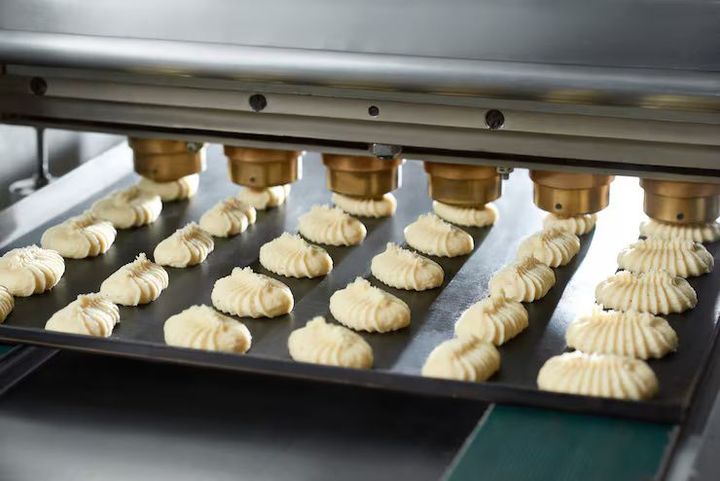
Today, these machines are widely used in bakeries, dairy plants, beverage production, meat processing, and ready-meal manufacturing. They play a central role in modern food systems.
Importance of Food Processing Machines
Food processing machines are essential for maintaining food safety and improving production efficiency. They help ensure consistency while reducing contamination risks.
These machines impact manufacturers, engineers, regulators, and consumers who rely on safe food products.
Key Reasons for Importance
- Maintain high hygiene and safety standards
- Reduce spoilage during production
- Improve precision and consistency
- Support compliance with safety certifications
- Enhance energy efficiency and sustainability
- Reduce manual labor and workplace risks
They also help standardize production processes across industries.
Recent Updates in Food Processing Technology (2024–2025)
Recent developments show how technology is transforming food processing systems.
Increased Automation
Automated systems such as robotic arms and smart conveyors are becoming more common. These reduce manual handling and improve efficiency.
Growth of Hygienic Design
Modern machines use stainless steel and easy-to-clean surfaces. This supports stricter hygiene standards and reduces contamination risks.
AI and Smart Monitoring
Sensors and AI systems now monitor temperature, flow, and sanitation in real time. This helps detect issues early and maintain consistent quality.
Sustainability Improvements
Energy-efficient motors, water-saving systems, and waste reduction technologies are becoming standard. These changes support environmental goals.
Common Types of Food Processing Machines
Different machines perform specific functions across the food production process.
| Machine Type | Main Function | Common Applications |
|---|---|---|
| Mixers | Combine ingredients evenly | Bakery, dairy, sauces |
| Grinders | Reduce particle size | Meat processing, spices |
| Pasteurizers | Heat-treat to remove microbes | Milk, juices |
| Conveyors | Transport products | Packaging, sorting |
| Filling Machines | Portion products into containers | Beverages, sauces |
Laws and Policies
Food processing machines must comply with regulations to ensure safety, hygiene, and environmental responsibility.
Safety and Hygiene Standards
Machines must follow Good Manufacturing Practices (GMP). Surfaces should be non-toxic, corrosion-resistant, and easy to clean.
Machine Safety Regulations
Rules cover moving parts, electrical systems, and emergency controls. These standards help protect workers.
Environmental Guidelines
Governments promote energy-efficient and low-waste systems. These policies support sustainable manufacturing practices.
Food Contact Material Regulations
Materials that come into contact with food must meet strict safety standards. They must not transfer harmful substances or odors.
Tools and Resources
Various tools support safe and efficient use of food processing machines.
Safety and Compliance Tools
- HACCP templates for hazard analysis
- Regulatory compliance checklists
- Food safety training platforms
Technical and Engineering Tools
- Food engineering calculators
- Equipment design guidelines
- Maintenance logs and manuals
Educational Resources
- Food technology research platforms
- Industry guidelines for hygiene and safety
- Training materials on machine operation
These resources help ensure proper machine use and compliance with safety standards.
Frequently Asked Questions
What is the purpose of food processing machines?
They help standardize production, improve efficiency, and maintain food safety across large-scale operations.
Are these machines required to meet safety standards?
Yes. Most countries enforce strict regulations to ensure safe food handling and worker protection.
How often should machines be cleaned?
Cleaning depends on the type of equipment and food processed. Many facilities follow daily or per-shift cleaning routines.
What are common types of food processing equipment?
Common types include mixers, grinders, pasteurizers, conveyors, and filling machines.
How has technology improved food processing?
Recent advancements include automation, AI monitoring, improved hygiene design, and sustainability-focused features.
Conclusion
Food processing machines are a key part of modern food manufacturing. They improve safety, efficiency, and consistency while supporting large-scale production needs.
With advancements in automation, hygiene, and sustainability, these machines continue to evolve. Understanding their role and regulations helps ensure safe, efficient, and responsible food production practices.