Forklift Overview: Explanation, Uses, and Essential Facts
A forklift is a powerful industrial vehicle designed to lift, carry, and move heavy materials over short distances. It plays a crucial role in warehouses, construction sites, manufacturing plants, and logistics operations. By reducing manual effort and improving efficiency, forklifts have become an essential part of modern material handling.
The concept of forklifts dates back to the early 20th century, evolving from simple lifting devices into advanced machines with high load capacity and precision control. Today, they are available in various types and sizes, each suited to specific tasks and environments.
How Forklifts Work
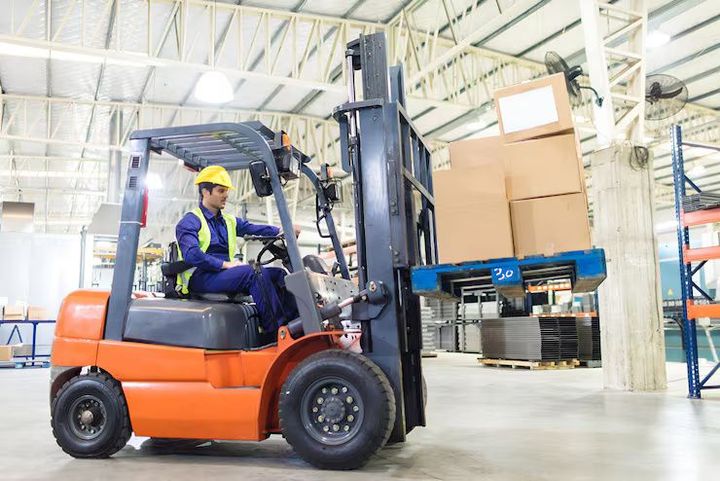
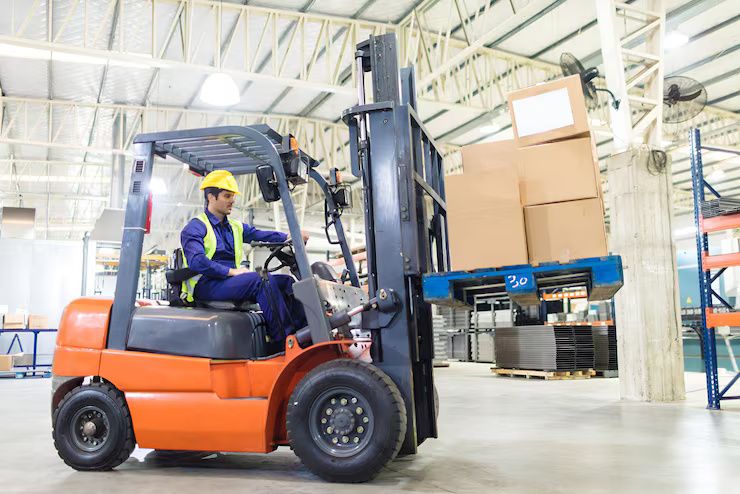
Forklifts operate using a combination of mechanical and hydraulic systems. The most recognizable feature is the pair of forks, also known as tines, which slide under loads to lift them. These forks are attached to a mast, which moves vertically to raise or lower materials.
The lifting mechanism relies on hydraulic cylinders powered by fluid pressure. When the operator activates the controls, hydraulic fluid pushes the cylinders, causing the forks to move up or down. Counterweights at the rear help maintain balance and prevent tipping.
Most forklifts are powered by either internal combustion engines or electric batteries. Electric models are commonly used indoors due to low emissions, while fuel-powered ones are preferred for outdoor and heavy-duty tasks.
Types of Forklifts
Forklifts come in several types, each designed for specific applications. Understanding these variations helps in selecting the right equipment for a task.
Counterbalance Forklifts
These are the most common forklifts. They have forks at the front and a counterweight at the back to balance heavy loads. They are widely used in warehouses and distribution centers.
Reach Trucks
Reach trucks are designed for narrow aisles and high stacking. Their forks can extend forward, allowing operators to access deep storage racks with ease.
Pallet Jacks
Also known as pallet trucks, these are simpler versions of forklifts used to move palletized goods over short distances. They can be manual or powered.
Rough Terrain Forklifts
These forklifts are built for outdoor use on uneven surfaces. They feature large tires and strong suspension systems, making them ideal for construction sites.
Industrial Forklifts
Industrial forklifts are heavy-duty machines used for lifting large loads in manufacturing and industrial settings. They often have higher load capacities compared to standard models.
Key Components of a Forklift
A forklift consists of several important components that work together to ensure smooth operation.
- mast: the vertical structure that raises and lowers the load
- forks: metal prongs used to lift and carry materials
- overhead guard: protects the operator from falling objects
- counterweight: balances the load to prevent tipping
- hydraulic system: powers lifting and tilting functions
- tires: vary depending on indoor or outdoor use
Each component plays a vital role in maintaining safety and efficiency during operation.
Common Uses of Forklifts
Forklifts are used across various industries due to their versatility and efficiency. Their ability to handle heavy loads quickly makes them indispensable in many settings.
- loading and unloading trucks
- transporting goods within warehouses
- stacking materials in storage racks
- moving construction materials on job sites
- handling raw materials in factories
In addition to these uses, forklifts also support inventory management by enabling quick and organized movement of goods.
Advantages of Using Forklifts
Forklifts offer several benefits that make them essential in material handling operations.
- increased productivity by reducing manual labor
- improved safety when handling heavy loads
- efficient use of storage space through vertical stacking
- versatility across different industries
- reduced time required for transportation tasks
These advantages contribute to smoother workflows and better overall efficiency.
Safety Considerations
Operating a forklift requires careful attention to safety. Improper use can lead to accidents, injuries, or damage to goods.
Operator Awareness
Operators must stay alert and maintain clear visibility at all times. Understanding load limits and operating conditions is essential for safe handling.
Load Management
Overloading a forklift can cause instability and tipping. Loads should be evenly distributed and secured before lifting.
Workplace Environment
Clear pathways and proper signage help prevent collisions. Regular maintenance ensures that the forklift remains in good working condition.
Following safety guidelines reduces risks and ensures a secure working environment.
Forklift Specifications and Features
Forklifts vary in terms of capacity, size, and features. The following table provides a general overview of common specifications.
| Feature | Description |
|---|---|
| load capacity | typically ranges from 1,000 to 50,000 kg |
| lift height | can reach up to 15 meters or more |
| power source | electric battery or internal combustion |
| tire type | pneumatic or solid |
| turning radius | varies based on design and size |
| control system | manual or advanced electronic controls |
These specifications help determine the suitability of a forklift for specific tasks.
Maintenance and Care
Regular maintenance is essential for ensuring the longevity and performance of a forklift. Neglecting maintenance can lead to breakdowns and safety issues.
- inspect tires, brakes, and hydraulic systems regularly
- keep the forklift clean and free from debris
- check fluid levels and battery condition
- replace worn-out parts promptly
Proper care not only extends the lifespan of the equipment but also improves operational efficiency.
Environmental Impact
Modern forklifts are designed with environmental considerations in mind. Electric forklifts produce zero emissions, making them suitable for indoor use and environmentally conscious operations.
Fuel-powered forklifts, while more powerful, generate emissions and require proper ventilation when used indoors. Advances in technology are helping reduce environmental impact through cleaner energy sources and improved efficiency.
Choosing the Right Forklift
Selecting the right forklift depends on several factors, including the type of work, load requirements, and operating environment.
Key Factors to Consider
- load weight and size
- indoor or outdoor usage
- available space and aisle width
- frequency of use
- type of terrain
Understanding these factors ensures that the chosen forklift meets operational needs effectively.
Future Trends in Forklift Technology
The forklift industry continues to evolve with advancements in technology. Automation and smart systems are transforming how forklifts operate.
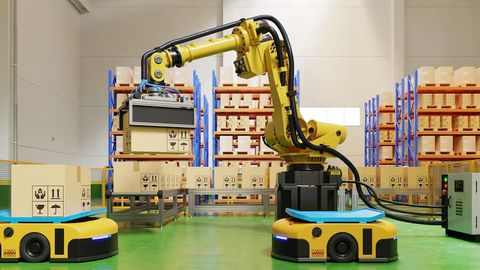
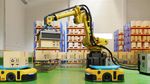
- automated guided vehicles for warehouse operations
- advanced sensors for improved safety
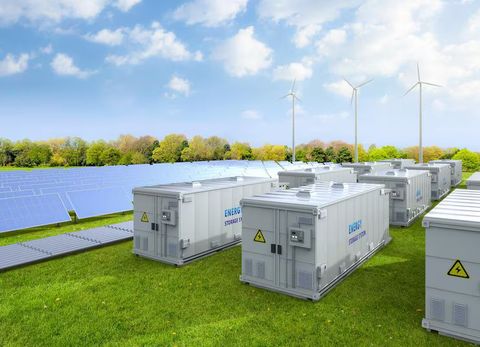
- energy-efficient battery technologies
- digital tracking and fleet management systems
These innovations are shaping the future of material handling, making forklifts more efficient and intelligent.
Conclusion
Forklifts are essential tools in modern industries, providing efficient solutions for handling heavy materials. From warehouses to construction sites, their versatility and reliability make them indispensable.
Understanding how forklifts work, their types, and their applications helps in maximizing their benefits. With proper maintenance and adherence to safety practices, forklifts can significantly enhance productivity and streamline operations.
As technology continues to advance, forklifts are becoming smarter and more sustainable, ensuring their relevance in the future of industrial operations.