Cable manufacturing is a critical process in industries ranging from telecommunications to power distribution, construction, and transportation. Cables are essential components that transmit electricity, data, and signals, making modern infrastructure, communication networks, and machinery possible. The process involves transforming raw materials like copper, aluminum, or fiber optics into finished cables that meet specific requirements for strength, flexibility, and conductivity.
Cable manufacturing equipment is designed to perform specialized tasks such as wire drawing, extrusion, stranding, and jacketing. These machines ensure that cables are produced efficiently, safely, and in line with industry standards. With growing demand for high-performance cables in sectors like renewable energy, data centers, and smart cities, understanding the production process is increasingly important.
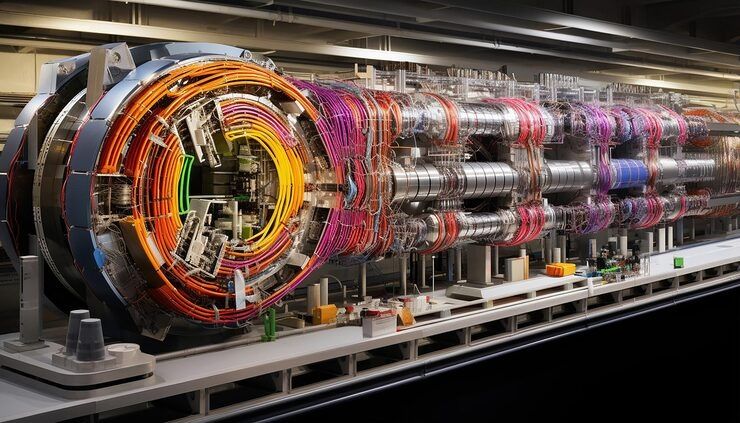
Importance
The relevance of cable manufacturing equipment and its production processes is evident in how cables are integrated into everyday life and industrial operations.
-
Supports global communication: Fiber optic cables enable high-speed internet and data transfer, critical for remote work, cloud computing, and modern communication.
-
Enables energy distribution: Power cables supply electricity to homes, industries, and renewable energy plants, contributing to sustainable infrastructure.
-
Ensures safety and reliability: Properly manufactured cables reduce risks such as short circuits, fires, and data loss.
-
Improves manufacturing efficiency: Automation and precision machinery enhance productivity while minimizing material waste and production errors.
-
Impacts multiple sectors: Construction, healthcare, defense, aerospace, and automotive industries all rely on high-quality cables produced through advanced manufacturing processes.
As technology advances and industries expand, the demand for efficient and reliable cable manufacturing continues to rise, influencing supply chains, workforce training, and global connectivity.
Recent Updates
Several trends and developments have shaped the cable manufacturing sector over the past year, particularly in 2024:
-
Rise in fiber optic cable production: With global internet usage surging, manufacturers are prioritizing fiber optic cables that offer faster data transfer rates and longer reach.
-
Focus on sustainability: Eco-friendly materials and processes are being integrated into cable manufacturing to reduce carbon footprints and improve recyclability.
-
Smart factories: Many cable production facilities are adopting AI-driven systems that monitor equipment health, manage supply chains, and optimize production schedules.
-
Increased demand in renewable sectors: The expansion of solar and wind energy projects has accelerated the need for specialized power cables capable of handling variable loads and harsh environmental conditions.
-
Improved insulation technologies: Advances in polymer insulation materials enhance cable durability, fire resistance, and moisture protection, making them suitable for diverse applications.
These updates reflect the industry's adaptability to changing technological, environmental, and economic demands while ensuring consistent production standards.
Laws or Policies
Cable manufacturing processes are subject to a variety of regulations aimed at ensuring safety, environmental protection, and product quality.
-
Electrical safety standards: Regulatory bodies such as the National Electrical Code (NEC) and International Electrotechnical Commission (IEC) outline specifications for cable insulation, conductor size, and fire resistance.
-
Environmental compliance: Governments enforce guidelines on hazardous materials, recycling procedures, and emissions control. Compliance with programs like RoHS (Restriction of Hazardous Substances) ensures cables are free from toxic elements like lead and mercury.
-
Trade regulations: Import and export rules ensure that cable manufacturing equipment and raw materials meet safety and quality standards across borders.
-
Certification requirements: Cable products often require testing and certification from organizations such as UL (Underwriters Laboratories) or TÜV Rheinland to verify that they meet industry and safety benchmarks.
-
Energy efficiency policies: Some regions mandate that cables used in infrastructure projects meet minimum energy performance criteria to reduce transmission losses and improve system efficiency.
These laws and policies guide manufacturers toward responsible practices while enhancing product reliability and user safety.
Tools and Resources
A variety of tools and resources are available to support cable manufacturing processes and improve understanding across industries.
-
Wire and cable calculators: Tools such as Southwire’s Voltage Drop Calculator or General Cable’s ampacity charts assist in selecting appropriate conductor sizes and configurations.
-
Material property databases: Websites like MatWeb and Engineering Toolbox provide information on polymer types, conductivity, and insulation characteristics.
-
Telematics and monitoring systems: Platforms like Siemens MindSphere and ABB Ability enable predictive maintenance and optimize production line efficiency.
-
Training and education platforms: Organizations like the International Cablemakers Federation (ICF) and online learning platforms offer courses on cable technology, safety, and process optimization.
-
Technical forums and journals: Resources such as Cabletech and Power Cable Technology deliver industry news, product reviews, and case studies on advancements in cable manufacturing.
These tools help engineers, manufacturers, and supply chain managers navigate the complexities of cable production while ensuring compliance and efficiency.
FAQs
What types of cables are most commonly produced?
The most common types include power cables, fiber optic cables, coaxial cables, and data cables. Each serves specific purposes, such as transmitting electricity, internet data, or signals.
What materials are used in cable manufacturing?
Common materials include copper and aluminum for conductors, polymers like PVC and XLPE for insulation, and steel for armoring. Fiber optic cables use silica glass for data transmission.
Why is insulation important in cables?
Insulation protects cables from moisture, heat, and electrical interference, ensuring that the signal or power flows without disruption and reducing risks like short circuits or overheating.
How does automation impact cable manufacturing?
Automation improves accuracy, reduces waste, and increases production speed. Smart systems also monitor equipment health and maintenance needs, enhancing efficiency and preventing downtime.
Are cables recyclable?
Yes, many cable components, especially metals like copper and aluminum, are recyclable. Compliance with environmental policies ensures that cables are processed safely at the end of their lifecycle.
Conclusion
Cable manufacturing equipment and production processes are at the heart of modern infrastructure and technology. From enabling global communication to powering renewable energy solutions, cables serve as vital conduits for electrical and data transfer across industries.
Recent advancements in automation, insulation technology, and sustainability have enhanced the efficiency and reliability of cable manufacturing, helping industries meet evolving demands. At the same time, regulatory frameworks ensure that manufacturing practices remain safe, environmentally responsible, and aligned with global standards.
By leveraging tools, resources, and educational platforms, stakeholders can improve their understanding of cable production, make informed decisions, and stay updated on the latest industry developments. As technology continues to advance, the role of cable manufacturing will remain indispensable in connecting people, powering industries, and supporting future innovations.