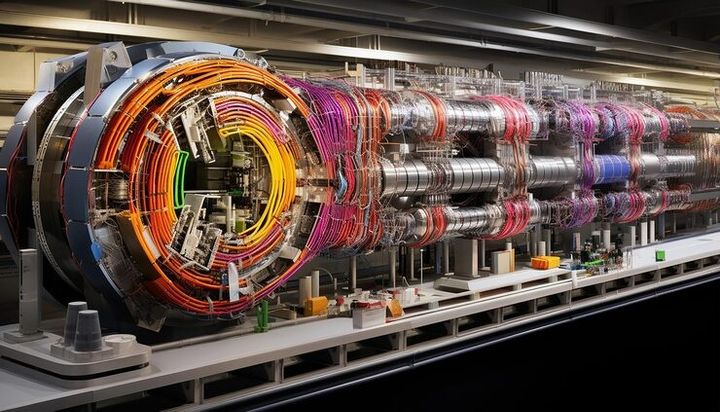
Full Overview of Cable Manufacturing Equipment and Production Processes
Cable manufacturing is a critical process in industries ranging from telecommunications to power distribution, construction, and transportation. Cables are essential components that transmit electricity, data, and signals, making modern infrastructure, communication networks, and machinery possible. The process involves transforming raw materials like copper, aluminum, or fiber optics into finished cables that meet specific requirements for strength, flexibility, and conductivity.
Cable manufacturing equipment is designed to perform specialized tasks such as wire drawing, extrusion, stranding, and jacketing. These machines help produce cables efficiently, safely, and according to industry standards. With growing demand in sectors like renewable energy, data centers, and smart cities, understanding the production process is increasingly important.
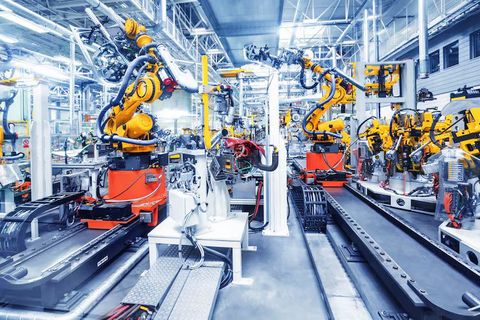
Modern cable production relies on precision and automation. This ensures consistent quality while meeting the rising global need for high-performance cables.
Importance of Cable Manufacturing
Cable manufacturing plays a crucial role in both everyday life and industrial systems. Its relevance extends across multiple sectors and applications.
-
Supports global communication
Fiber optic cables enable high-speed internet and data transfer for modern connectivity. -
Enables energy distribution
Power cables deliver electricity to homes, industries, and renewable energy systems. -
Ensures safety and reliability
Proper manufacturing reduces risks like short circuits, fires, and data loss. -
Improves efficiency
Automated machinery minimizes waste and enhances production accuracy. -
Impacts multiple industries
Sectors such as construction, healthcare, aerospace, and automotive depend on quality cables.
Recent Updates in Cable Manufacturing
Industry Trends (2024)
The cable manufacturing industry has evolved rapidly with new technologies and sustainability goals. These changes reflect the sector’s response to global demand and innovation.
-
Growth in fiber optic production
Increasing internet usage has boosted demand for high-speed data cables. -
Sustainability focus
Manufacturers are adopting eco-friendly materials and recyclable processes. -
Smart factories
AI-driven systems monitor equipment, optimize workflows, and improve productivity. -
Renewable energy demand
Expansion of solar and wind projects requires advanced power cables. -
Improved insulation technologies
New materials enhance durability, fire resistance, and moisture protection.
Laws and Policies
Cable manufacturing is governed by regulations to ensure safety, quality, and environmental responsibility. These frameworks guide production and global trade practices.
-
Electrical safety standards
Guidelines define insulation, conductor size, and fire resistance requirements. -
Environmental compliance
Regulations limit hazardous substances and promote recycling practices. -
Trade regulations
Import and export rules ensure product quality across borders. -
Certification requirements
Independent testing verifies compliance with safety standards. -
Energy efficiency policies
Encourage reduced energy loss in infrastructure systems.
Tools and Resources
Various tools and platforms support cable manufacturing and industry knowledge. These resources help professionals improve efficiency and decision-making.
-
Cable calculators
Assist in selecting conductor sizes and configurations. -
Material databases
Provide data on insulation types and conductivity properties. -
Monitoring systems
Enable predictive maintenance and production optimization. -
Training platforms
Offer education on cable technology and safety practices. -
Technical journals and forums
Share industry updates, case studies, and innovations.
Example of Cable Types and Uses
| Cable Type | Main Material | Primary Use Case |
|---|---|---|
| Power Cable | Copper/Aluminum | Electricity transmission |
| Fiber Optic | Silica Glass | High-speed data communication |
| Coaxial Cable | Copper Core | TV signals and broadband internet |
| Data Cable | Copper | Networking and IT systems |
| Armored Cable | Steel + Copper | Industrial and outdoor applications |
Frequently Asked Questions
What types of cables are commonly produced?
The most common types include:
- Power cables
- Fiber optic cables
- Coaxial cables
- Data cables
Each type serves specific roles in electricity transmission or communication systems.
What materials are used in cable manufacturing?
Common materials include:
- Copper and aluminum for conductors
- Polymers like PVC and XLPE for insulation
- Steel for armoring
- Silica glass for fiber optic cables
These materials ensure performance, durability, and safety.
Why is insulation important in cables?
Insulation protects cables from heat, moisture, and electrical interference. It ensures safe operation and prevents issues such as short circuits or overheating.
How does automation impact cable manufacturing?
Automation improves production speed, accuracy, and consistency. It also reduces material waste and helps monitor equipment performance to prevent downtime.
Are cables recyclable?
Yes, many cable components such as copper and aluminum can be recycled. Environmental regulations ensure safe recycling processes and reduced environmental impact.
Conclusion
Cable manufacturing equipment and processes are essential for modern infrastructure and technology. They support communication systems, energy distribution, and industrial operations worldwide.
Recent advancements in automation, sustainability, and material science have improved efficiency and reliability. At the same time, regulatory frameworks ensure safety and environmental responsibility, keeping the industry aligned with global standards.