Galvanized Steel Wire Overview: Types, Features, and Common Applications
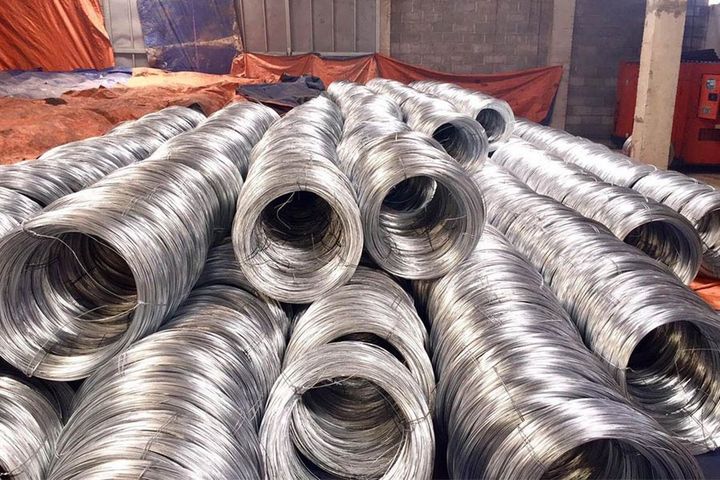
Galvanized steel wire is a widely used material produced by coating steel wire with a layer of zinc.
This protective coating helps reduce corrosion and extends the wire's durability when exposed to moisture, weather conditions, and industrial environments. The process was developed to address the natural tendency of steel to rust over time, particularly when used outdoors.
Today, galvanized steel wire is found in many industries, including agriculture, construction, transportation, utilities, and manufacturing. Products such as galvanized fencing wire, industrial galvanized wire, and structural reinforcement materials depend on this technology to improve longevity and performance.
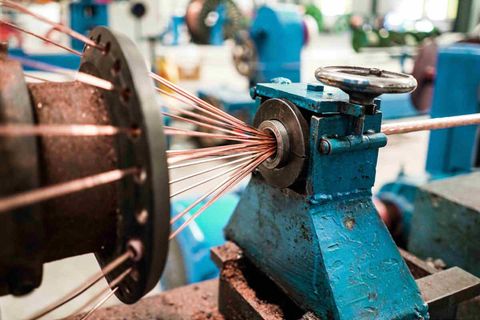
The production process generally begins with steel wire production, where steel rods are drawn into thinner wire diameters. The wire is then coated using methods such as hot dip galvanization or electro-galvanization. Hot dip galvanized wire is particularly common because it creates a thicker zinc layer that provides extended protection against environmental exposure.
Galvanized wire is available in various sizes, strengths, and configurations. Depending on the application, users may choose high tensile galvanized wire for demanding structural purposes or lighter wire grades for fencing and general utility work.
Importance
Protection Against Corrosion
One of the primary reasons galvanized steel wire remains important is its ability to resist corrosion. Steel exposed to rain, humidity, or chemicals can deteriorate over time. The zinc coating acts as a protective barrier, helping the wire maintain its structural integrity for longer periods.
Supporting Infrastructure Development
Modern infrastructure projects frequently rely on infrastructure wire products for reinforcement and support. Applications include roads, bridges, tunnels, utility networks, and transportation systems. Bridge construction steel wire is often used in cable-supported structures where strength and durability are essential.
Applications Across Multiple Industries
Galvanized wire serves a wide range of industries:
- Agriculture uses galvanized fencing wire for livestock enclosures and crop protection.
- Construction uses structural steel wire products for reinforcement and stabilization.
- Telecommunications uses galvanized wire in support systems for cables and utility structures.
- Manufacturing facilities use industrial galvanized wire for packaging, securing, and operational equipment.
- Transportation projects rely on reinforced wire systems for safety barriers and support structures.
Long-Term Material Performance
Because galvanized coatings help reduce rust formation, maintenance requirements may be lower compared with untreated steel. This characteristic makes galvanized wire suitable for environments where exposure to weather is common.
Common Types of Galvanized Steel Wire
The table below summarizes several common types and their typical applications.
| Type of Wire | Main Characteristics | Common Applications |
|---|---|---|
| Hot dip galvanized wire | Thick zinc coating | Fencing, construction, outdoor use |
| Electro-galvanized wire | Smoother surface finish | Light industrial applications |
| High tensile galvanized wire | Greater strength and tension resistance | Infrastructure and structural projects |
| Galvanized fencing wire | Designed for enclosure systems | Farms, property boundaries |
| Industrial galvanized wire | Multiple diameters and grades | Manufacturing and utilities |
| Galvanized wire rope | Bundled wire strands for load support | Lifting and structural systems |
Recent Updates
Focus on Sustainable Manufacturing
Recent industry developments have emphasized sustainability within steel wire production. Manufacturers increasingly seek methods that improve material efficiency, reduce waste generation, and optimize energy consumption during galvanization processes.
Improved Coating Technologies
Advancements in galvanizing techniques have led to more consistent zinc coatings and improved quality control. These developments help maintain product reliability across different environmental conditions.
Increased Infrastructure Investment
Many regions continue to invest in transportation, energy, and public infrastructure projects. This trend has increased demand for bridge construction steel wire, structural steel wire products, and related reinforcement materials.
Automation in Production Facilities
Automation technologies are becoming more common in manufacturing environments. Automated monitoring systems help improve coating consistency, wire diameter accuracy, and production efficiency.
Growth of Industrial Wire Rope Applications
Industrial wire rope solutions are increasingly used in construction equipment, transportation systems, lifting mechanisms, and engineering projects. The combination of strength and corrosion resistance continues to support their adoption across multiple sectors.
Laws or Policies
Product Quality Standards
Galvanized steel wire is often manufactured according to national and international quality standards. These standards establish requirements related to wire diameter, tensile strength, zinc coating thickness, and testing procedures.
Examples include standards developed by organizations responsible for construction materials, industrial products, and engineering specifications. Compliance helps ensure consistency across products used in public and private projects.
Construction and Infrastructure Regulations
Construction regulations frequently specify acceptable materials for structural applications. Where galvanized wire is used for reinforcement, fencing, or support systems, it must meet applicable engineering and safety requirements.
Environmental Requirements
Manufacturing facilities may be subject to environmental regulations governing emissions, waste management, and resource use. These policies influence how galvanization processes are managed and monitored.
Workplace Safety Rules
Production facilities handling steel wire production and galvanization equipment typically follow occupational safety regulations. These rules address worker protection, equipment operation, and handling of industrial materials.
Import and Export Standards
Galvanized steel products traded internationally often need to satisfy customs, quality, and certification requirements established by importing countries. These requirements help maintain consistency in material performance and safety.
Tools and Resources
Several tools and resources can help individuals, engineers, and organizations understand galvanized steel wire specifications and applications.
Engineering Calculators
Engineering calculators are commonly used for:
- Wire strength estimation
- Load capacity calculations
- Material weight calculations
- Tensile force assessments
- Structural support analysis
Standards and Technical Databases
Technical databases provide access to industry standards, material specifications, and testing procedures. These resources help users understand requirements for galvanized steel wire and related products.
CAD and Design Software
Computer-aided design platforms allow engineers to model structures that incorporate reinforced steel wire manufacturers' products, industrial wire rope solutions, and infrastructure wire products.
Material Specification Sheets
Specification sheets contain information about:
- Wire diameter
- Zinc coating thickness
- Tensile strength
- Manufacturing processes
- Recommended applications
Industry Associations and Research Publications
Industry associations and engineering publications provide educational information regarding galvanized wire technologies, production methods, and material performance characteristics.
FAQs
What is galvanized steel wire?
Galvanized steel wire is steel wire coated with zinc to improve resistance against corrosion and environmental exposure. It is commonly used in construction, agriculture, utilities, and industrial applications.
What is the difference between hot dip galvanized wire and electro-galvanized wire?
Hot dip galvanized wire is coated by immersing the wire in molten zinc, creating a thicker protective layer. Electro-galvanized wire uses an electroplating process that generally produces a thinner coating with a smoother appearance.
Where is galvanized fencing wire commonly used?
Galvanized fencing wire is commonly used in agricultural fencing, property boundaries, security barriers, animal enclosures, and various outdoor containment systems due to its resistance to weather-related corrosion.
How do galvanized wire manufacturers produce galvanized steel wire?
Galvanized wire manufacturers typically begin with steel wire production. The wire is cleaned, prepared, and coated with zinc through galvanizing processes before undergoing quality inspections and testing.
What industries use high tensile galvanized wire?
High tensile galvanized wire is used in infrastructure projects, bridge construction, transportation systems, agricultural applications, and structural reinforcement where higher strength and durability are required.
How do galvanized steel wire suppliers and galvanized iron wire manufacturers support infrastructure projects?
Galvanized steel wire suppliers and galvanized iron wire manufacturers provide wire products used in fencing, structural reinforcement, utility networks, bridge construction, and various infrastructure-related applications that require corrosion resistance and mechanical strength.
Conclusion
Galvanized steel wire is an important material used across construction, agriculture, transportation, manufacturing, and infrastructure sectors. Its zinc coating helps protect steel from corrosion, contributing to longer material life in many environments. Different types, including hot dip galvanized wire, galvanized fencing wire, and high tensile galvanized wire, are designed for specific applications. Ongoing developments in production technology, quality standards, and infrastructure investment continue to influence the role of galvanized wire products in modern industry.