Industrial coating methods refer to controlled processes used to apply protective or functional layers to metal and non-metal surfaces. These coatings are designed to improve durability, corrosion resistance, heat tolerance, electrical insulation, or surface appearance. Galvanizing, which applies a zinc layer to steel or iron, is one of the most widely recognized examples.
These methods exist because raw materials are often exposed to harsh conditions such as moisture, chemicals, abrasion, and temperature variation. Without surface protection, materials degrade faster, leading to structural weakness and safety risks. Industrial coatings emerged to extend material lifespan and ensure consistent performance across infrastructure, manufacturing, and transportation sectors.
Common industrial coating approaches include hot-dip galvanizing, electroplating, powder coating, thermal spraying, and conversion coatings. Each method is selected based on the operating environment, material type, and performance requirements.
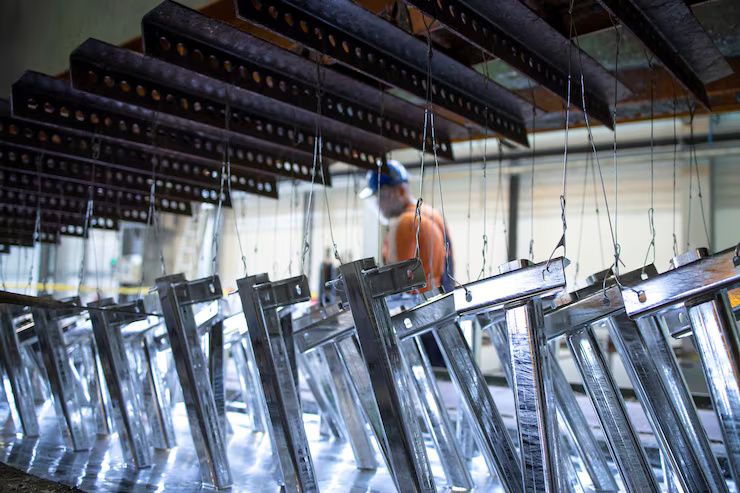
Importance: Why Industrial Coatings Matter Today
Industrial coating methods play a central role in modern economies and infrastructure systems. They support long-term material performance and reduce the frequency of replacement in large-scale projects.
Key reasons these methods matter include:
-
Corrosion protection: Zinc, epoxy, and ceramic coatings act as barriers against rust and chemical exposure
-
Safety and reliability: Coated components maintain strength under stress and environmental exposure
-
Operational efficiency: Equipment with protective coatings experiences less wear over time
-
Environmental impact: Longer material life reduces resource extraction and industrial waste
Industries affected by coating technologies include construction, energy, automotive manufacturing, agriculture equipment, and heavy machinery. For public infrastructure such as bridges, pipelines, and power transmission towers, coating performance directly influences safety and maintenance planning.
Recent Updates: Trends and Developments in the Past Year
Over the past year, industrial coating methods have continued to evolve due to regulatory pressure, material science research, and automation.
Notable developments observed during 2025 include:
-
Low-emission coating formulations (2025): Increased adoption of coatings with reduced volatile organic compounds in industrial environments
-
Automation in galvanizing lines (2024–2025): Use of robotic handling and real-time thickness monitoring to improve coating consistency
-
Advanced alloy coatings (2025): Zinc-aluminum-magnesium blends gaining attention for enhanced corrosion resistance
-
Digital inspection tools (2024): Integration of sensor-based quality checks for coating thickness and adhesion
These trends reflect a broader shift toward precision, environmental awareness, and data-driven process control in surface treatment operations.
Laws or Policies: Regulatory Influence on Industrial Coating
Industrial coating methods are shaped by environmental, safety, and quality regulations that vary by country but follow similar principles globally.
Common regulatory themes include:
-
Environmental protection rules: Limits on emissions, waste discharge, and chemical handling in coating facilities
-
Worker safety standards: Requirements for ventilation, protective equipment, and exposure monitoring
-
Material compliance: Standards governing coating composition and performance for structural applications
In many regions, galvanizing and coating processes are influenced by industrial standards bodies and government agencies that publish technical specifications for infrastructure and manufacturing use. These policies ensure coated materials meet minimum durability and safety benchmarks before deployment in public or industrial projects.
Tools and Resources: Helpful References for Learning and Evaluation
A variety of tools and informational resources support understanding and evaluation of industrial coating methods.
Commonly used resources include:
-
Coating thickness measurement tools: Magnetic and ultrasonic gauges for non-destructive testing
-
Corrosion testing references: Salt spray and cyclic corrosion test guidelines
-
Material compatibility charts: Tables showing coating suitability for different substrates
-
Industrial standards documents: Technical specifications for galvanizing and protective coatings
-
Process simulation software: Digital models used to study coating behavior under stress
These resources help engineers, students, and decision-makers assess coating performance and application suitability without promotional framing.
Overview Table: Common Industrial Coating Methods
| Coating Method | Primary Purpose | Typical Materials | Key Characteristic |
|---|---|---|---|
| Hot-Dip Galvanizing | Corrosion resistance | Steel, iron | Thick zinc layer |
| Electroplating | Surface protection | Steel, copper | Uniform thin coating |
| Powder Coating | Wear resistance | Metals | No liquid solvents |
| Thermal Spraying | Heat and wear protection | Metals, ceramics | High-temperature process |
| Conversion Coating | Surface preparation | Aluminum, steel | Improves adhesion |
Graph Representation: Coating Longevity Comparison
Approximate relative lifespan under outdoor exposure conditions:
| Coating Type | Relative Lifespan Index |
|---|---|
| Paint-based coating | 2 |
| Electroplated zinc | 3 |
| Powder coating | 4 |
| Hot-dip galvanizing | 5 |
| Alloy zinc coatings | 6 |
Higher index values indicate longer expected durability under similar conditions.
FAQs: Common Questions About Industrial Coating Methods
What is galvanizing in simple terms?
Galvanizing is a process where steel or iron is coated with zinc to protect it from rust and corrosion.
How do industrial coatings prevent corrosion?
They create a physical barrier between the material and the environment or provide sacrificial protection, as zinc does by corroding before steel.
Are all coating methods suitable for outdoor use?
No. Suitability depends on exposure conditions, coating thickness, and material compatibility.
How is coating quality evaluated?
Quality is assessed through thickness measurement, adhesion testing, and corrosion resistance tests.
Do industrial coatings affect recyclability?
Most coatings are designed to be compatible with standard recycling processes, especially zinc-based systems.
Conclusion
Industrial coating methods, including galvanizing, exist to protect materials from environmental and mechanical damage. They play a vital role in extending material lifespan, improving safety, and supporting sustainable infrastructure development. Recent advancements show a clear movement toward precision, automation, and environmentally conscious formulations.
By understanding the context, importance, regulatory landscape, and evaluation tools associated with industrial coatings, general readers can better appreciate how these processes quietly support modern life. Industrial coatings are not just surface treatments; they are foundational technologies that enable durability and reliability across countless applications.