Industrial juice extractor machines are specialized equipment designed to efficiently extract juice from fruits and vegetables on a large scale. These machines play a crucial role in various industries, including food processing, beverage production, and commercial juicing operations.
Key Components:
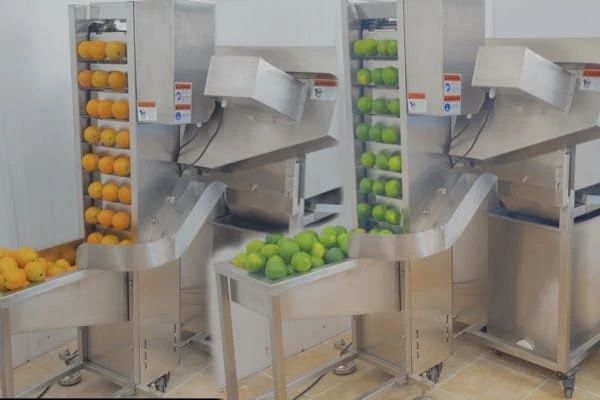
-
Feed Hopper: The entry point where raw materials are introduced into the machine.
-
Crushing Mechanism: Breaks down the raw materials into smaller pieces to facilitate juice extraction.
-
Extraction Unit: Utilizes mechanical or hydraulic pressure to extract juice from the crushed materials.
-
Filtration System: Separates juice from pulp and other solid residues.
-
Discharge Ports: Allow for the removal of extracted juice and waste materials.
Types of Industrial Juice Extractors:
-
Centrifugal Juicers: Use high-speed spinning to separate juice from pulp. Suitable for soft fruits and vegetables.
-
Masticating Juicers: Operate at slower speeds, preserving more nutrients. Ideal for leafy greens and hard produce.
-
Hydraulic Press Juicers: Apply hydraulic pressure to extract juice, commonly used for citrus fruits.
-
Spiral Juicers: Employ a screw mechanism to crush and extract juice, effective for fibrous materials.
Importance of Industrial Juice Extractor Machines
Industrial juice extractor machines are vital in meeting the growing demand for fresh, natural beverages. Their significance extends across various sectors:
-
Food and Beverage Industry: Enable large-scale production of juices for retail and wholesale distribution.
-
Health and Wellness Sector: Support the creation of nutrient-rich juices for health-conscious consumers.
-
Commercial Juicing Operations: Facilitate efficient juice extraction in juice bars and restaurants.
Benefits:
-
Efficiency: Streamline the juice extraction process, reducing manual labor.
-
Consistency: Ensure uniform quality and taste in the final product.
-
Scalability: Accommodate varying production volumes to meet market demands.
-
Resource Optimization: Improve utilization of raw materials, reducing operational waste.
Recent Developments in Industrial Juice Extraction
The industrial juice extraction industry has witnessed several advancements in recent years:
-
Technological Innovations: Integration of automation and smart technologies for enhanced precision and control.
-
Sustainability Initiatives: Adoption of eco-friendly materials and energy-efficient designs to minimize environmental impact.
-
Product Diversification: Development of machines capable of extracting juice from a wider range of fruits and vegetables.
-
Market Growth: The global juice extractor machine market continues to expand, reflecting rising consumer demand for fresh beverages.
Regulatory Considerations
Compliance with regulations is crucial in the operation of industrial juice extractor machines:
-
Food Safety Guidelines: Operators must implement Hazard Analysis and Critical Control Point (HACCP) principles to ensure safe juice production.
-
Certification Standards: Many countries require equipment to meet specific safety and hygiene certifications.
-
Local Health Codes: Compliance with local health and safety regulations is essential for commercial operations.
Tools and Resources for Industrial Juice Extraction
Several tools and resources can assist in the efficient operation of industrial juice extractor machines:
-
Maintenance Guidelines: Regular cleaning, lubrication, and inspection ensure optimal performance and longevity.
-
Training Materials: Educational resources and tutorials help operators understand machine operation, safety protocols, and troubleshooting techniques.
-
Regulatory Documents: Access to up-to-date regulations and compliance guidelines ensures adherence to legal standards.
-
Operational Calculators: Tools that estimate juice yield, processing times, and efficiency can aid in production planning.
Frequently Asked Questions
1. What is the difference between centrifugal and masticating juicers?
-
Centrifugal juicers operate at high speeds, suitable for soft fruits and vegetables.
-
Masticating juicers work at slower speeds, preserving more nutrients and ideal for leafy greens and hard produce.
2. How often should industrial juice extractors be cleaned?
-
Cleaning frequency depends on usage but should be done regularly to maintain hygiene and prevent contamination.
3. Are there energy-efficient models available?
-
Yes, many modern industrial juice extractors are designed with energy efficiency in mind, reducing operational costs.
4. Can these machines process a variety of fruits and vegetables?
-
Advanced models are adaptable and can process a wide range of raw materials, including fruits with or without pits and vegetables.
5. What factors influence juice yield in industrial extraction?
-
Factors include the type of fruit or vegetable, machine type, extraction method, and operating conditions. Proper preparation and processing optimize yield.
Conclusion
Industrial juice extractor machines are indispensable in the modern food and beverage industry, offering efficiency, consistency, and scalability. Staying informed about technological advancements, sustainability trends, and regulatory requirements is essential for operators to maintain high standards of quality and compliance. By leveraging available tools and resources, businesses can optimize juice extraction processes to meet growing consumer demand for fresh and nutritious beverages.