Construction material machinery refers to specialized equipment used to process, prepare, transport, and handle raw materials such as sand, cement, aggregates, asphalt, steel, and concrete. These machines exist to support modern construction methods by improving accuracy, consistency, and efficiency in material preparation. As construction projects increased in scale and complexity, manual handling of materials became impractical, leading to the development of dedicated machinery for each stage of material processing.
In infrastructure, residential, and industrial projects, construction material machinery forms the backbone of physical development. From preparing concrete mixtures to shaping aggregates and moving bulk materials, these machines enable standardized construction practices across regions and climates. Their primary purpose is to ensure that materials meet structural and safety requirements before being used in buildings and infrastructure.
Importance in Today’s Construction Environment
Construction material machinery plays a critical role in today’s construction ecosystem. Urban expansion, infrastructure modernization, and sustainability goals all depend on reliable material processing systems. These machines affect a wide range of stakeholders, including engineers, project planners, regulators, and communities relying on safe infrastructure.
Key reasons this topic matters include:
-
Material consistency: Machines ensure uniform mixing, grading, and processing of materials.
-
Structural safety: Properly processed materials reduce the risk of structural failure.
-
Project efficiency: Automated machinery reduces delays caused by manual preparation.
-
Resource optimization: Controlled processing helps reduce material wastage.
-
Workplace safety: Mechanized handling lowers physical strain and accident risks.
Without construction material machinery, large-scale projects such as highways, bridges, and housing developments would face delays, inconsistencies, and higher operational risks.
Recent Updates and Industry Trends
Over the past year, construction material machinery has seen notable technological and regulatory-driven changes. In 2025, several trends became more visible across global construction markets.
Digital monitoring systems have been increasingly integrated into material machinery. Sensors now track parameters such as mix ratios, moisture levels, and equipment load in real time. This shift supports data-driven quality control and predictive maintenance.
Another recent update involves energy efficiency improvements. Many manufacturers introduced machinery designs optimized for lower fuel consumption and reduced emissions during material processing. Sustainability-focused construction policies have accelerated this trend throughout 2024 and 2025.
Automation and semi-automation also gained momentum. Equipment capable of automated batching, weighing, and material transfer is now more common, especially in large infrastructure projects. These updates reflect the industry’s focus on precision, compliance, and environmental responsibility.
Laws and Policy Influence
Construction material machinery is directly influenced by national and regional regulations. In many countries, equipment used for material processing must comply with safety standards, emission norms, and workplace regulations.
Environmental policies increasingly regulate dust emissions, noise levels, and fuel efficiency of construction machinery. Compliance with occupational safety laws requires machines to include protective guards, emergency stop systems, and clear operational guidelines.
Government infrastructure programs also indirectly affect machinery standards. Public construction projects often mandate the use of certified equipment that meets defined performance and environmental benchmarks. These policies shape how machinery is designed, tested, and deployed across construction sites.
Tools and Resources Related to Construction Material Machinery
Several digital and technical resources help professionals understand and manage construction material machinery effectively. These tools support planning, monitoring, and compliance without promotional intent.
Commonly used resources include:
-
Equipment capacity calculators for material throughput estimation
-
Maintenance scheduling software for machinery lifecycle tracking
-
Digital manuals and specification libraries for machinery functions
-
Construction management platforms with material tracking modules
-
Safety compliance checklists for machinery operation
These resources help standardize machinery use and improve transparency in construction workflows.
Types of Construction Material Machinery and Their Functions
Concrete Mixing Equipment
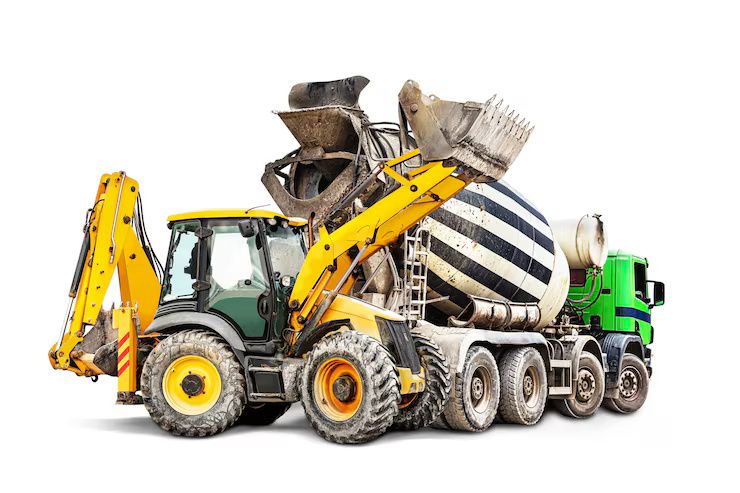
Concrete mixers combine cement, aggregates, water, and additives in precise ratios. Their function is to ensure uniform consistency and strength before placement. Variations include drum mixers and batch mixers used for different project scales.
Aggregate Processing Machines
Crushers and screening machines process raw stone into graded aggregates. Their role is to produce material sizes suitable for concrete, asphalt, and base layers.
Material Handling Systems
Conveyors, loaders, and hoppers transport bulk materials across construction sites. These machines reduce manual handling and ensure continuous material flow.
Asphalt Preparation Machinery
Asphalt plants heat and mix bitumen with aggregates to produce paving material. Temperature control and uniform blending are essential functions of this equipment.
Storage and Feeding Units
Silos and feeders store processed materials and release them in controlled quantities. They help maintain consistency during batching and mixing operations.
Functional Comparison Table
| Machine Type | Primary Function | Material Handled | Output Purpose |
|---|---|---|---|
| Concrete Mixer | Uniform mixing | Cement, aggregates | Structural concrete |
| Crusher | Size reduction | Stone, gravel | Graded aggregates |
| Conveyor System | Material transfer | Bulk materials | Continuous supply |
| Asphalt Plant | Heated blending | Bitumen, aggregates | Road surfacing |
| Storage Silo | Controlled storage | Cement, sand | Consistent batching |
Operational Flow Overview
Material Processing Flow (Text-Based Representation):
Raw Material Input → Processing Machine → Quality Check → Storage Unit → Construction Use
This flow highlights how machinery integrates into construction operations, ensuring materials are processed systematically before application.
Frequently Asked Questions
What is the main purpose of construction material machinery?
The main purpose is to process and prepare construction materials to meet structural, safety, and quality requirements efficiently.
How does machinery improve construction accuracy?
Machines use controlled processes and calibrated settings to maintain consistent material proportions and properties.
Are construction material machines regulated?
Yes, they are subject to safety, environmental, and operational regulations depending on the country and project type.
What materials are commonly handled by this machinery?
Common materials include cement, sand, aggregates, asphalt, and related construction inputs.
Why is automation becoming more common in material machinery?
Automation improves precision, reduces human error, and supports compliance with modern construction standards.
Data Snapshot Table
| Aspect | Manual Handling | Machinery-Based Processing |
|---|---|---|
| Consistency | Variable | Standardized |
| Processing Speed | Limited | High |
| Safety Risk | Higher | Lower |
| Material Control | Inconsistent | Precise |
Conclusion
Construction material machinery plays a foundational role in modern construction practices. By enabling accurate processing, efficient handling, and consistent quality, these machines support safe and durable infrastructure development. Recent advancements in automation, monitoring, and energy efficiency reflect the industry’s response to growing regulatory and environmental expectations. Understanding how these machines function helps stakeholders make informed decisions, ensure compliance, and support sustainable construction outcomes.