Water heaters are systems designed to raise the temperature of water for everyday use. They exist because many household, commercial, and institutional activities require warm or hot water at controlled temperatures. Bathing, cleaning, cooking, space heating, and sanitation all rely on consistent access to heated water.
Historically, water heating began with simple methods such as boiling water over open fires. Over time, these methods evolved into dedicated appliances that could heat and store water more safely and efficiently. Modern water heaters are engineered to deliver heated water on demand or to store it at a set temperature until needed.
Today, water heaters come in multiple forms, including storage-based systems, instant heating units, and hybrid technologies. They are designed to suit different climates, building types, energy sources, and usage patterns. The development of these technologies reflects growing demands for efficiency, safety, and environmental responsibility.
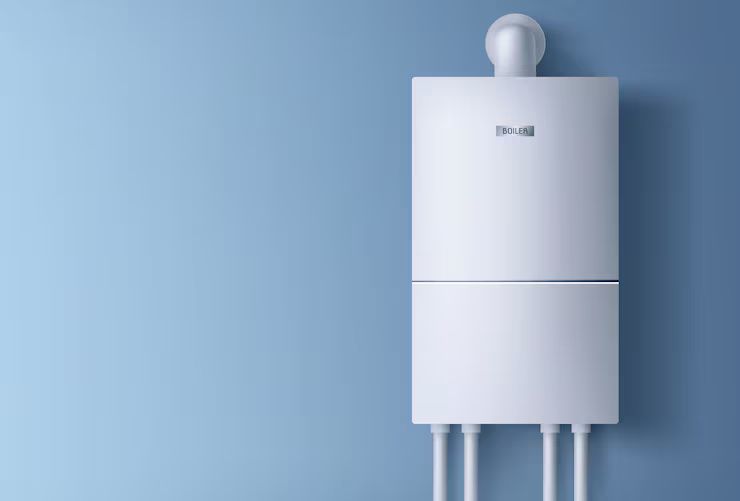
Importance: Why Water Heating Matters Today
Water heating plays a critical role in daily life and infrastructure. It affects households, healthcare facilities, educational institutions, hospitality operations, and industrial processes. Without reliable water heating, basic hygiene and comfort standards would be difficult to maintain.
Key reasons water heater technologies matter today include:
-
Public health and hygiene, supporting sanitation and cleaning
-
Energy efficiency, as water heating is a significant part of energy use
-
Climate considerations, influencing emissions and sustainability goals
-
User safety, through temperature regulation and pressure controls
As populations grow and urbanization increases, demand for hot water continues to rise. At the same time, energy systems are under pressure to reduce waste and emissions. This makes the design and selection of water heating technologies increasingly important.
Different user groups are affected in different ways. Residential users focus on comfort and reliability, while commercial and institutional users prioritize consistency and capacity. Policymakers and planners consider water heaters when designing energy-efficiency standards and climate strategies.
Recent Updates: Trends and Changes in the Past Year
In the past year, water heating technologies have seen noticeable shifts driven by energy policy, innovation, and user awareness.
2024–2025: Expansion of heat pump water heaters
Heat pump–based systems have gained attention due to their higher energy efficiency compared to conventional electric resistance heaters. Advances in compressor design and refrigerants have improved performance in a wider range of climates.
2025: Increased focus on smart controls
Many modern water heaters now include digital thermostats, scheduling features, and connectivity with home energy management systems. These updates allow better temperature control and monitoring of usage patterns.
2024–2025: Material and insulation improvements
Manufacturers have improved tank insulation materials to reduce heat loss. Enhanced corrosion-resistant coatings are also being used to extend equipment lifespan.
Regulatory-driven updates
Efficiency benchmarks introduced or updated in several countries have influenced design changes, encouraging lower standby losses and better thermal performance.
The overall trend points toward systems that balance user comfort with energy awareness and long-term efficiency.
Laws and Policies: How Regulations Shape Water Heating
Water heater technologies are strongly influenced by laws, standards, and government programs. These rules aim to ensure safety, energy efficiency, and environmental protection.
Common regulatory areas include:
-
Energy efficiency standards defining minimum performance levels
-
Safety regulations covering pressure relief, temperature limits, and electrical protection
-
Environmental policies addressing emissions and refrigerant use
In many regions, efficiency labeling programs help users understand energy consumption patterns. Building codes may also specify approved water heater types for residential or commercial construction.
Government energy-efficiency initiatives often encourage the adoption of advanced technologies by setting long-term national targets. While regulations vary by country, the general direction is toward reduced energy use and improved system reliability.
Tools and Resources: Helpful References for Understanding Water Heaters
Several tools and information resources can help users better understand water heater technologies and performance.
Energy calculation tools
-
Water heating energy calculators that estimate annual energy use based on household size and temperature settings
-
Load estimation tools for residential and commercial buildings
Standards and guidance websites
-
National energy efficiency labeling portals
-
Building code and appliance standards documentation
Educational resources
-
Manufacturer technical manuals and specification sheets
-
Government-backed consumer education portals on energy use
Monitoring and comparison aids
-
Digital dashboards integrated into smart water heaters
-
Data sheets comparing heating technologies and efficiency metrics
These resources support informed decision-making and technical understanding without focusing on transactions.
Understanding Water Heater Technologies
Water heaters can be grouped based on how they heat and deliver water. Each technology is designed to meet different usage patterns and infrastructure conditions.
Common water heater types
-
Storage tank water heaters
-
Instant or tankless water heaters
-
Heat pump water heaters
-
Solar-assisted water heating systems
Comparison of heating approaches
| Technology Type | Heating Method | Typical Use Pattern |
|---|---|---|
| Storage-based | Heats and stores water | Steady, predictable demand |
| Instant heating | Heats water as it flows | Intermittent usage |
| Heat pump | Transfers ambient heat | Energy-conscious settings |
| Solar-assisted | Uses solar thermal input | Sun-rich regions |
This comparison highlights how different systems address varying needs without ranking one as universally superior.
FAQs: Common Questions About Water Heaters
How does a water heater maintain temperature?
Most water heaters use thermostats to monitor water temperature. When the temperature drops below a set level, the heating element or burner activates until the desired temperature is restored.
What is the difference between storage and instant water heaters?
Storage water heaters keep a volume of heated water ready for use, while instant systems heat water only when it flows through the unit. The difference mainly affects response time and usage patterns.
Are newer water heaters more energy efficient?
Recent models generally incorporate better insulation, improved controls, and more efficient heating methods. These features reduce heat loss and unnecessary energy use.
Why do water heaters include pressure relief valves?
Pressure relief valves are safety components. They release excess pressure or temperature buildup, helping prevent damage or hazards within the system.
How does climate affect water heater performance?
Ambient temperature influences how much energy is needed to heat water. In colder climates, incoming water temperatures are lower, requiring more heating input compared to warmer regions.
Visual Overview: Energy Use Distribution
A simplified representation of household energy use often shows water heating as one of the largest components, alongside space heating and cooling. This highlights why efficiency improvements in water heaters can have a noticeable impact on overall energy consumption.
Conclusion
Water heater technologies are a foundational part of modern living, supporting hygiene, comfort, and essential daily activities. From early heating methods to today’s advanced systems, the evolution of water heaters reflects broader changes in energy use, safety standards, and environmental awareness.
Recent developments show a clear movement toward smarter controls, improved efficiency, and better alignment with regulatory goals. Understanding how different water heating technologies work helps users appreciate their role in energy systems and infrastructure planning.
By focusing on knowledge, standards, and practical operation, water heater education supports informed choices and responsible energy use, making it an important topic in today’s connected and resource-conscious world.