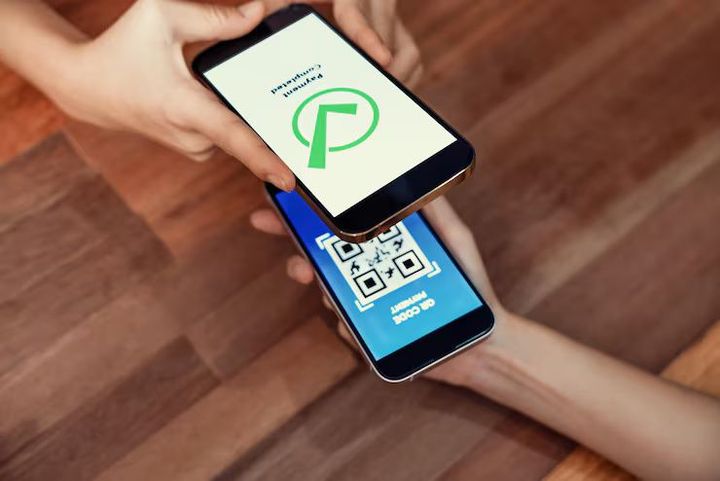
Google Pay Guide for Understanding Secure Digital Payments and Everyday Transactions
Digital payments have transformed the way people manage everyday financial transactions.
From shopping at local stores to paying utility bills and transferring money between individuals, mobile payment platforms have simplified many routine activities. Among these platforms, Google Pay has become one of the most widely recognized digital payment solutions, offering users a convenient way to make secure transactions using smartphones and other compatible devices.
As cashless payment systems continue expanding across retail, transportation, entertainment, and online services, understanding how Google Pay works helps users confidently navigate the modern digital economy. Built with multiple security technologies and designed for ease of use, Google Pay supports various payment methods while providing a streamlined transaction experience. This Google Pay guide explains the fundamentals of the platform, payment methods, security features, practical applications, decision-making considerations, and emerging trends in digital payments.
This article explores Google Pay basics, account setup concepts, payment methods, security measures, everyday uses, practical considerations, and future developments in mobile payment technology.
What Is Google Pay?
Google Pay is a digital payment platform that allows users to make electronic transactions using compatible mobile devices, smartwatches, and supported web browsers. It enables payments for purchases, peer-to-peer money transfers in supported regions, public transportation in selected locations, and online transactions through participating merchants.
Instead of carrying multiple physical payment methods, users can securely store eligible payment cards and complete transactions through their devices.
The platform is designed to simplify everyday payments while supporting modern contactless payment technology.
How Google Pay Works
Google Pay connects eligible payment methods with a compatible device through secure digital authentication.
When making a purchase, users authenticate the transaction using device security features such as a screen lock, fingerprint recognition, facial recognition, or another supported authentication method.
For contactless payments, compatible devices communicate with payment terminals using Near Field Communication (NFC) technology where available.
Online and in-app purchases can also be completed through participating merchants that support Google Pay integration.
Each transaction uses security technologies designed to help protect payment information during processing.
Key Security Features
Security is one of the platform's most important strengths.
Instead of sharing actual payment card numbers during eligible contactless transactions, Google Pay uses a virtual account number or tokenization technology where supported, helping reduce exposure of sensitive payment information.
Device authentication adds another layer of protection by requiring user verification before completing transactions.
Encrypted communication helps protect transaction data during payment processing.
Users can also manage device security settings and remove payment access from lost or stolen devices through compatible account management tools.
These security measures contribute to safer digital payment experiences, although users should still follow good account security practices.
Common Uses of Google Pay
Google Pay supports a wide variety of everyday payment activities.
Consumers can make purchases at participating retail stores equipped with compatible contactless payment terminals.
Online shopping becomes more convenient when supported websites provide Google Pay as a payment option.
In some regions, users can transfer money between individuals, pay utility bills, recharge mobile services, purchase public transportation tickets, or manage recurring payments through supported services.
The exact features available vary depending on the user's country, financial institution, and local regulations.
These capabilities make Google Pay a flexible solution for many daily transactions.
Benefits of Digital Payments
Digital payment platforms offer several practical advantages.
Carrying fewer physical cards can simplify everyday transactions.
Faster checkout experiences help reduce waiting times during purchases.
Digital transaction records make it easier to review previous payments and organize personal financial activities.
Multiple authentication methods enhance account protection while reducing the likelihood of unauthorized transactions.
Integration across smartphones, tablets, smartwatches, and web platforms creates a more connected payment experience.
These benefits contribute to the growing adoption of mobile payment technologies.
Safe Usage Practices
Responsible use is essential for protecting digital payment accounts.
Users should enable strong device security through PINs, passwords, fingerprint authentication, or facial recognition.
Keeping the operating system and Google Pay application updated helps maintain access to the latest security improvements.
Avoiding public Wi-Fi for sensitive financial activities, monitoring transaction history regularly, and enabling account alerts can further improve security.
If a device is lost, users should promptly use available account management tools to secure or remove payment access.
These simple practices strengthen everyday payment security.
Decision Guide: Using Google Pay for Everyday Transactions
Choosing the best digital payment method depends on device compatibility, preferred payment options, security features, merchant acceptance, convenience, and personal financial habits.
Individuals who frequently make contactless purchases often appreciate the speed and convenience of mobile payments, while those who shop online may value streamlined checkout experiences across participating websites and apps. Users should also consider whether their bank, payment card, and region support the Google Pay features they intend to use.
A Google Pay comparison with other digital payment platforms typically considers security technologies, ease of use, supported payment methods, device compatibility, transaction management, and regional availability.
In many cases, mobile payment platforms tend to work well because they combine convenience with multiple layers of security.
The real difference appears when users select a platform that aligns with their devices, payment preferences, and everyday transaction needs.
Emerging Trends in Digital Payments
Digital payment technology continues advancing rapidly.
Biometric authentication is becoming more sophisticated, improving both convenience and security.
Artificial intelligence increasingly assists fraud detection by identifying unusual transaction patterns in real time.
Wearable payment technology continues expanding, allowing compatible smartwatches and other connected devices to support contactless payments.
Open banking initiatives and digital financial ecosystems are also encouraging greater integration between payment platforms and financial services.
As contactless payment infrastructure continues growing worldwide, digital payment platforms are expected to become even more widely used across retail, transportation, healthcare, education, and entertainment.
Frequently Asked Questions
1. What is Google Pay?
Google Pay is a digital payment platform that allows users to make secure electronic transactions using compatible devices and supported payment methods.
2. How does Google Pay protect payment information?
Google Pay uses technologies such as tokenization, encrypted communication, and device authentication to help protect eligible payment information during transactions.
3. Where can Google Pay be used?
Depending on regional availability, Google Pay can be used at participating retail stores, online merchants, mobile applications, and selected public transportation systems.
4. Does Google Pay require an internet connection for every payment?
Some contactless transactions may work without an active internet connection after initial setup, but certain features and account updates require internet access. Availability can vary depending on the payment method and region.
5. What should users consider before using Google Pay?
Users should verify device compatibility, supported payment methods, regional availability, bank participation, security settings, and merchant acceptance before relying on Google Pay for everyday transactions.
Conclusion
Google Pay has become an important part of today's digital payment ecosystem by combining convenience, security, and flexibility for everyday transactions. Understanding how the platform works, its security features, supported payment methods, and responsible usage practices helps users make informed decisions about mobile payments. This comprehensive Google Pay guide demonstrates how secure digital payment technology continues simplifying everyday financial activities while supporting modern cashless lifestyles. As digital payment innovation continues evolving, Google Pay will remain a significant platform for convenient and secure electronic transactions.