Water Bottling Plants Guide: Process, Equipment, and Industry Trends
Water bottling plants are industrial facilities designed to purify, process, bottle, and package drinking water while maintaining quality and hygiene standards. These facilities help ensure that packaged water reaches consumers in a safe, consistent, and reliable condition.
The growing demand for packaged drinking water has encouraged manufacturers to adopt advanced purification systems, automated production lines, and efficient quality monitoring methods. Improvements in industrial automation, water treatment technology, packaging systems, and quality control have transformed modern bottling facilities into highly organized production environments.
A typical water bottling plant includes several stages, beginning with water collection and ending with packaged bottles ready for transportation. Throughout the production process, quality testing helps maintain consistent standards.
Why Water Bottling Plants Matter Today
Water bottling plants support public access to packaged drinking water in locations where safe drinking water may not always be readily available. They also contribute to emergency preparedness, transportation, hospitality, healthcare, tourism, education, and industrial operations.
Several factors have increased the importance of modern bottling facilities:
- Growing awareness of drinking water quality
- Increasing urban populations
- Demand for hygienically packaged beverages
- Expansion of automated manufacturing technologies
- Focus on production efficiency
- Improved environmental management practices
Modern facilities also emphasize water conservation, energy efficiency, equipment monitoring, and production planning to improve operational performance.
Industries That Benefit
Water bottling plants support many sectors, including:
- Food and beverage manufacturing
- Healthcare facilities
- Hospitality
- Educational institutions
- Transportation
- Event management
- Retail distribution
- Emergency response operations
Problems They Help Address
Modern bottling facilities help address several operational challenges:
- Consistent water purification
- Hygienic packaging
- Efficient production workflows
- Reduced contamination risks
- Better inventory management
- Improved production monitoring
- Standardized quality inspection
- Enhanced packaging efficiency
Water Bottling Plant Process
Although production methods vary depending on facility size and equipment, most water bottling plants follow a similar workflow.
| Production Stage | Main Purpose |
|---|---|
| Water Collection | Obtain source water |
| Initial Filtration | Remove large particles |
| Advanced Purification | Improve water quality |
| Storage | Maintain treated water before filling |
| Bottle Cleaning | Prepare containers |
| Filling | Dispense purified water |
| Capping | Seal bottles securely |
| Labeling | Product identification |
| Packaging | Prepare for transportation |
| Quality Inspection | Verify production standards |
Each stage is monitored to help maintain consistency throughout production.
Essential Equipment Used in Water Bottling Plants
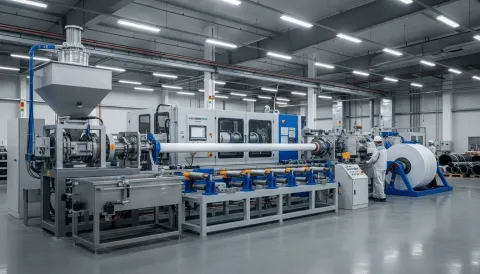
Modern bottling plants rely on specialized industrial equipment that supports efficiency, quality control, and automation.
Water Treatment Systems
These systems improve water quality through multiple purification techniques.
Common technologies include:
- Sand filtration
- Activated carbon filtration
- Reverse osmosis
- Ultraviolet treatment
- Ozone treatment
- Micron filtration
Bottle Washing Machines
Bottle washing equipment prepares containers before filling by removing dust and unwanted particles.
Automatic Filling Machines
Filling machines dispense precise amounts of purified water into bottles while reducing manual handling.
Capping Machines
These machines securely seal bottles to maintain product integrity during storage and transportation.
Labeling Machines
Automated labeling equipment applies product labels consistently across large production batches.
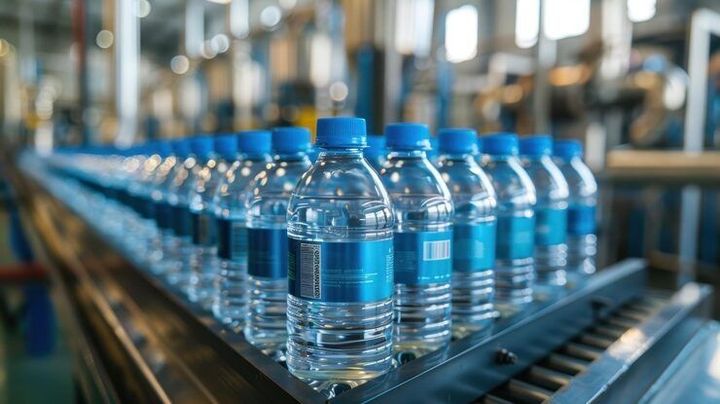
Conveyor Systems
Conveyors connect different production stages and improve workflow efficiency throughout the facility.
Packaging Equipment
Packaging systems group bottles into cartons or bundles for handling and distribution.
Quality Inspection Equipment
Inspection systems monitor bottle fill levels, cap placement, label positioning, and packaging quality.
Recent Updates in the Water Bottling Industry
The water bottling industry has experienced several important developments during the past year as manufacturers continue adopting smarter production technologies and environmentally conscious practices.
Greater Automation During 2025–2026
Many production facilities have expanded the use of automated monitoring systems, digital production controls, and intelligent manufacturing software to improve operational consistency.
Increased Sustainability Focus
Manufacturers are working toward reducing plastic usage through:
- Lightweight packaging
- Improved recycling practices
- Reduced material waste
- Better water management systems
Digital Quality Monitoring
More facilities now use digital sensors that continuously monitor:
- Water quality
- Production performance
- Equipment conditions
- Production efficiency
Energy Efficiency Improvements
Production facilities continue introducing:
- Efficient motors
- Automated shutdown systems
- Improved water recovery technologies
- Better production scheduling
Smart Manufacturing
Industrial Internet of Things (IIoT) technologies continue expanding across bottling plants, allowing operators to monitor production data in real time and identify maintenance needs earlier.
Laws and Policies Related to Water Bottling Plants
Water bottling plants operate under regulations that focus on public health, manufacturing practices, environmental responsibility, and product quality. Requirements vary by country, but most regulatory frameworks share common objectives.
Important regulatory areas generally include:
Drinking Water Standards
Authorities establish standards covering:
- Water purity
- Chemical composition
- Microbiological safety
- Quality testing procedures
Food Safety Requirements
Facilities are expected to maintain hygienic production environments through:
- Clean processing areas
- Equipment sanitation
- Employee hygiene practices
- Production monitoring
Environmental Regulations
Environmental policies often encourage:
- Responsible water usage
- Wastewater management
- Plastic waste reduction
- Energy conservation
Packaging and Labeling Rules
Regulations commonly address:
- Product identification
- Batch information
- Manufacturing details
- Expiry information
- Consumer information
Workplace Safety
Industrial safety guidelines typically include:
- Equipment maintenance
- Emergency procedures
- Worker safety training
- Protective equipment usage
Manufacturers regularly update operational procedures to remain aligned with changing regulations and industry standards.
Helpful Tools and Resources
Water bottling plants increasingly use digital tools and operational resources to improve productivity, quality control, and equipment management.
Common resources include:
| Tool Type | Purpose |
| Production Planning Software | Schedule manufacturing activities |
| Inventory Management Systems | Track materials and finished products |
| Water Quality Calculators | Analyze treatment performance |
| Maintenance Checklists | Support preventive maintenance |
| Quality Inspection Templates | Standardize inspections |
| Production Monitoring Dashboards | Review operational performance |
| Energy Monitoring Systems | Track electricity usage |
| Digital Documentation Templates | Organize production records |
| Environmental Assessment Tools | Monitor sustainability indicators |
| Industrial Automation Platforms | Improve equipment coordination |
These resources help improve operational efficiency while supporting better decision-making.
Future Industry Trends
Several long-term trends are expected to shape water bottling plants over the coming years.
Emerging developments include:
- Artificial intelligence for production monitoring
- Predictive equipment maintenance
- Digital twin technology
- Advanced robotics
- Sustainable packaging materials
- Smart factory integration
- Improved recycling systems
- Enhanced quality analytics
- Energy optimization
- Automated production reporting
These technologies may continue improving productivity while supporting environmental sustainability.
Frequently Asked Questions
What is a water bottling plant?
A water bottling plant is an industrial facility that purifies, fills, seals, labels, and packages drinking water using standardized production processes and quality control procedures.
What equipment is commonly used in a water bottling plant?
Typical equipment includes water treatment systems, bottle washing machines, filling machines, capping machines, labeling machines, conveyor systems, packaging equipment, and quality inspection systems.
Why is water purification important before bottling?
Purification removes unwanted particles and microorganisms while improving water quality to meet established drinking water standards.
How has technology improved modern bottling plants?
Automation, digital monitoring, industrial sensors, production software, and predictive maintenance have improved production efficiency, consistency, and equipment management.
Why is sustainability becoming important in this industry?
Manufacturers are focusing on reducing water consumption, minimizing packaging waste, improving recycling practices, increasing energy efficiency, and supporting environmentally responsible production methods.
Conclusion
Water bottling plants have evolved into advanced manufacturing facilities that combine water treatment technology, automated production systems, quality inspection, and efficient packaging processes. Continuous improvements in industrial automation, digital monitoring, sustainability practices, and environmental management are shaping the future of the industry.