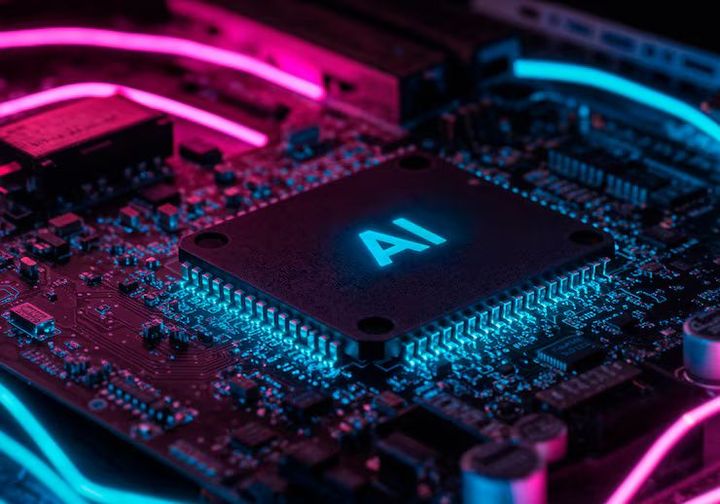
GPU Computing in AI: Architecture, Performance, and Policy Insights
GPU computing in artificial intelligence refers to the use of Graphics Processing Units (GPUs) to perform complex calculations required for machine learning and deep learning models. Originally designed to render graphics for video games and visual applications, GPUs are optimized for parallel processing. This makes them highly effective for handling large datasets and mathematical operations common in artificial intelligence workloads.
Unlike traditional CPUs, which focus on sequential processing, GPUs contain thousands of smaller cores capable of handling multiple tasks simultaneously. This parallel architecture enables faster processing of complex computations required in artificial intelligence systems.
As AI applications expanded into image recognition, speech processing, and large language models, the need for high-performance computing increased. GPU computing emerged as a practical solution to meet these demands efficiently.
Over time, GPU computing has moved beyond gaming into data centers, cloud platforms, and research environments. Today, it supports a wide range of AI-driven applications across industries.
Importance of GPU Computing
GPU computing plays a central role in modern artificial intelligence development. Machine learning and deep learning rely heavily on matrix operations and large-scale data processing, which GPUs handle efficiently.
Key Beneficiaries
- Researchers developing deep learning models
- Enterprises deploying AI analytics
- Healthcare institutions processing medical imaging
- Financial institutions using predictive algorithms
- Educational organizations conducting AI research
Key Advantages
- Faster training of neural networks
- Improved inference performance
- Efficient handling of large datasets
- Support for real-time AI applications
- Scalable computing through GPU clusters
Challenges Solved
- Reduces long training times for deep learning models
- Enables real-time processing for applications like fraud detection
- Supports large-scale distributed AI systems
- Improves experimentation speed in research environments
CPU vs GPU Comparison
| Feature | CPU | GPU |
|---|---|---|
| Core Count | Low (4–64 cores) | High (thousands of cores) |
| Processing Style | Sequential | Parallel |
| AI Training Speed | Moderate | High |
| Best Use Case | General computing | AI and deep learning |
GPU computing also enhances scalability by allowing multiple GPUs to work together in distributed environments, especially in cloud computing platforms.
Recent Updates (2025–2026)
GPU computing has advanced rapidly due to growing demand for artificial intelligence.
Hardware Innovations
- New AI accelerators with improved memory bandwidth
- Enhanced tensor cores for deep learning
- More energy-efficient GPU architectures
- Optimized support for generative AI workloads
Cloud Infrastructure Expansion
Cloud providers have expanded GPU-based services, enabling scalable AI model training without requiring physical hardware. This supports enterprises and research institutions globally.
Emerging Trends
- Rise of AI-specific chips and hybrid computing systems
- Increased investment in semiconductor manufacturing
- Focus on reducing hardware dependency risks
- Growing adoption of distributed GPU clusters
Sustainability Focus
Data centers are improving GPU utilization and cooling systems to reduce energy consumption. Sustainable AI computing is becoming an important industry goal.
Laws and Policies Affecting GPU Computing
GPU computing is influenced by global regulations related to technology, data, and trade.
Key Policy Areas
- Semiconductor Policies: Initiatives like the CHIPS and Science Act support GPU manufacturing and research
- Export Regulations: Restrictions on advanced AI hardware affect global distribution
- Data Protection Laws: Regulations such as India’s Digital Personal Data Protection Act impact AI systems
- Environmental Regulations: Focus on energy efficiency and carbon reduction in data centers
Impact on Industry
- Influences availability of high-performance GPUs
- Affects AI infrastructure investments
- Encourages domestic semiconductor development
- Promotes sustainable computing practices
Organizations must ensure compliance while deploying GPU-powered AI systems.
Tools and Resources for GPU Computing
A wide range of tools supports GPU-based AI development and optimization.
GPU Computing Frameworks
- CUDA (NVIDIA) for parallel programming
- ROCm (AMD) for open GPU computing
- TensorFlow for deep learning
- PyTorch for machine learning
- OpenCL for cross-platform computing
Cloud Platforms
- Amazon Web Services
- Microsoft Azure
- Google Cloud
Performance and Deployment Tools
- NVIDIA Nsight Systems
- AMD Radeon GPU Profiler
- Kubernetes for orchestration
- Docker for containerization
These tools help developers optimize performance, manage workloads, and scale AI applications effectively.
Frequently Asked Questions
What is GPU computing in AI?
It refers to using GPUs to accelerate machine learning and deep learning tasks through parallel processing.
Why are GPUs better than CPUs for deep learning?
GPUs handle parallel computations efficiently, making them ideal for matrix operations used in neural networks.
Is GPU computing only used in data centers?
No. It is also used in research labs, universities, and high-performance workstations.
How does GPU computing support cloud computing?
Cloud platforms provide GPU-powered virtual machines, enabling scalable AI workloads without physical infrastructure.
Are there regulations affecting GPU technology?
Yes. Export controls, semiconductor policies, and data protection laws influence GPU usage and distribution.
Conclusion
GPU computing has become a foundational technology in artificial intelligence. Its parallel processing capabilities enable faster model training, efficient data handling, and scalable AI applications.
Recent advancements in hardware, cloud infrastructure, and sustainability initiatives continue to shape its evolution. At the same time, regulatory frameworks and environmental considerations influence how GPU technology is developed and deployed.
Understanding GPU computing architecture, tools, and policy impacts helps organizations and individuals navigate the rapidly evolving landscape of artificial intelligence and high-performance computing.