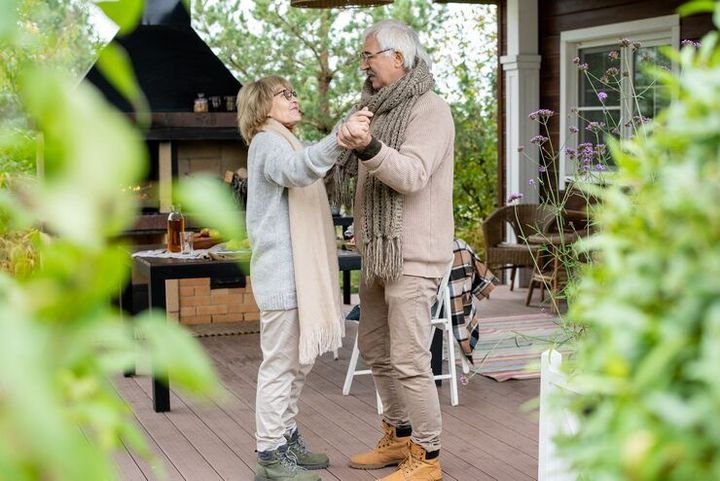
Granny Pods: The Modern Backyard Solution for Senior Living
As families look for better ways to support aging parents, granny pods have become one of the most talked-about housing trends. These small backyard homes offer older adults a comfortable place to live while staying close to their loved ones. They combine privacy, independence, and safety in a way that traditional housing often cannot.
With rising interest in multigenerational living and aging in place, granny pods are becoming a practical option for families across the world. They also fit into the growing demand for smart housing, accessible home design, and modern residential planning.
What Are Granny Pods?
Granny pods are small, self-contained living spaces usually placed in a backyard. They are often designed for seniors who want to maintain independence while remaining close to family members.
These homes typically include:
Private Living Areas
Most granny pods feature a bedroom, bathroom, small kitchen, and living room. The compact design makes daily life simple and manageable.
Accessible Home Features
Many models are designed with wider doorways, step-free entrances, non-slip flooring, and easy-to-reach storage spaces. These features help create a safer environment for older adults.
Smart Home Technology
Modern granny pods often include advanced monitoring systems, emergency alert devices, smart lighting, and climate control technology. These innovations can improve comfort and provide peace of mind for families.
Why Granny Pods Are Growing in Popularity
The demand for senior-friendly housing continues to increase as populations age around the world. Many families prefer solutions that allow older relatives to remain close without giving up their independence.
Aging in Place
Aging in place means living safely and comfortably in a familiar environment rather than relocating to a larger care facility. Granny pods support this goal by providing a private home with senior-focused features.
Multigenerational Living
Many households now include multiple generations under one property. A backyard home creates personal space while making family interaction easy and convenient.
Greater Privacy
Unlike sharing the same house, granny pods allow seniors to maintain their routines and personal lifestyle while still being nearby when support is needed.
Key Features of Modern Granny Pods
Technology and thoughtful design have transformed these small homes into highly functional living spaces.
Smart Safety Systems
Some granny pods include motion sensors, health monitoring devices, emergency communication tools, and automated lighting systems. These features can help reduce common household risks.
Energy-Efficient Design
Many backyard homes are built with energy-saving insulation, efficient windows, and sustainable building materials. This approach supports environmentally friendly living and long-term residential planning.
Compact Yet Comfortable Layouts
Space-saving furniture and practical interior designs make smaller homes feel open and welcoming. Every part of the layout is usually designed for convenience and mobility.
Benefits for Families
Granny pods create advantages not only for seniors but also for family members who want to stay connected.
Stronger Family Relationships
Living nearby encourages regular visits and shared activities while respecting personal boundaries.
Easier Daily Support
Family members can provide help with meals, transportation, or health appointments without long-distance travel.
Peace of Mind
Knowing that loved ones are close can reduce stress and make emergency situations easier to manage.
The Role of Smart Home Technology
Technology plays an important role in modern senior housing. Smart systems can improve both safety and convenience.
Common features include:
- Voice-controlled assistants
- Automated lighting
- Remote security monitoring
- Smart temperature controls
- Digital medication reminders
- Emergency notification systems
As home automation technology continues to develop, granny pods are expected to become even more advanced.
Backyard Homes and the Future of Housing
Urban planners and housing experts see accessory dwelling units and backyard homes as part of the future of residential living. Smaller homes can help maximize available space while supporting changing family structures.
The popularity of flexible housing solutions reflects broader trends in sustainable development, smart cities, and adaptive home design. Many communities are exploring ways to integrate these compact homes into modern neighborhoods.
Important Factors to Consider
Families interested in granny pods should think about several practical considerations.
Local Building Guidelines
Different regions may have unique zoning rules and property regulations related to backyard structures.
Accessibility Needs
Every senior has different mobility requirements. Choosing the right layout and safety features is important for long-term comfort.
Future Adaptability
A well-designed granny pod should be able to support changing needs over time through flexible interior planning and smart technology integration.
Common Myths About Granny Pods
Some people believe these homes are simply tiny houses with a different name. In reality, granny pods are specifically designed with senior living and accessibility in mind.
Another misconception is that they reduce independence. In many cases, they actually help older adults maintain a self-sufficient lifestyle while staying connected to family.
The Future of Senior Living
Changing demographics and modern housing trends suggest that granny pods will continue to gain attention. Families increasingly value solutions that combine independence, safety, and togetherness.
With smart home innovation, accessible architecture, and sustainable building practices, these backyard homes represent a modern approach to senior living. They offer a practical balance between privacy and family support while adapting to the needs of an aging population.
For many households, granny pods are becoming more than a housing trend. They are a thoughtful way to create stronger family connections and support comfortable, independent living for older generations.