Grinding cum Lapping Machine Overview: Features, Process and Facts
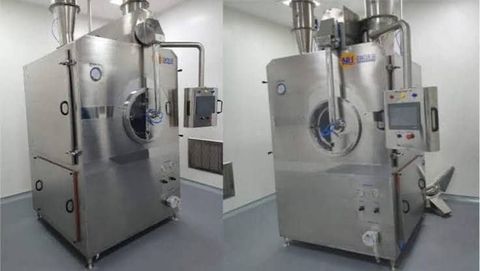
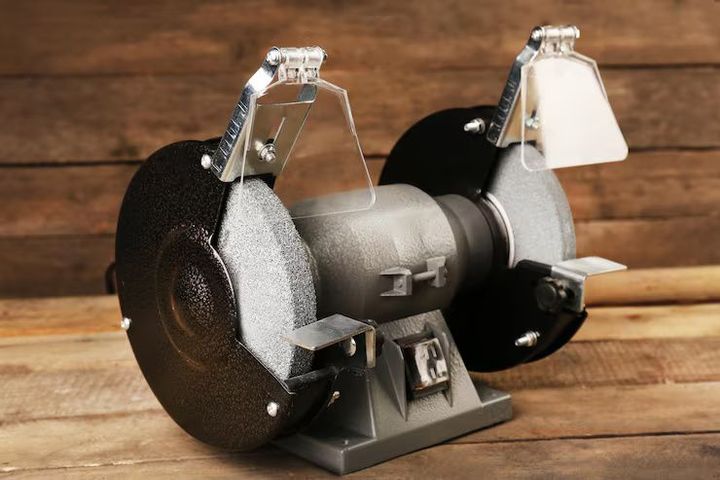
Grinding cum lapping machines are advanced manufacturing systems designed to improve the surface quality and dimensional accuracy of industrial components. These machines combine two finishing methods in a single setup. Grinding removes excess material with abrasive wheels, while lapping creates an exceptionally smooth and precise surface using fine abrasive compounds. This combination supports consistent finishing for parts that require tight tolerances.
Today, grinding cum lapping machines are widely used across precision manufacturing industries because they help produce components with high surface quality and reliable performance. As manufacturing standards continue to evolve, these machines have become an important part of producing precision-engineered products for industrial, engineering, automotive, aerospace, electronics, and medical applications.
Context
A grinding cum lapping machine combines grinding and lapping operations into one integrated machine. Grinding is generally the first stage, where abrasive wheels remove material and achieve the required dimensions. Lapping follows as the finishing stage, using a lapping plate and abrasive slurry to reduce surface roughness and improve flatness.
The primary purpose of this equipment is to achieve excellent dimensional accuracy while reducing manual handling between different machining processes. Combining both operations in one system also helps maintain consistency during production.
Main Features
Some common features include:
- Combined grinding and lapping operations
- Precision material removal
- Adjustable grinding parameters
- Fine surface finishing capability
- Improved dimensional accuracy
- Automated or semi-automated controls
- Compatibility with different engineering materials
Typical Applications
Grinding cum lapping machines are commonly used for manufacturing:
| Industry | Typical Components |
|---|---|
| Automotive | Engine valves, gears, bearings |
| Aerospace | Precision mechanical parts |
| Medical | Surgical instruments and implants |
| Electronics | Ceramic substrates and semiconductor components |
| Tool Manufacturing | Cutting tools and dies |
| Industrial Engineering | Mechanical seals and precision plates |
Importance
Grinding cum lapping machines play an important role in precision engineering because many industrial components require extremely smooth surfaces and exact dimensions. Even small variations may affect product performance, reliability, or assembly accuracy.
These machines help manufacturers improve production consistency while achieving high-quality surface finishes. Industries that depend on precision machining often include grinding and lapping processes as part of their quality control systems.
The technology affects several sectors, including:
- Automotive manufacturing
- Aerospace engineering
- Medical device production
- Electronics manufacturing
- Industrial machinery production
- Research and development laboratories
By combining two finishing processes, manufacturers can simplify workflow while maintaining consistent machining quality.
Recent Updates
Between 2024 and 2026, grinding cum lapping machine technology has continued to evolve with greater emphasis on automation, precision, and digital manufacturing.
Several developments include:
- Increased adoption of CNC-controlled grinding and lapping systems.
- Improved sensor technology for monitoring machining conditions.
- Better abrasive materials designed for longer operational life.
- Integration with Industry 4.0 manufacturing environments.
- Real-time process monitoring using digital measurement systems.
- Enhanced energy-efficient motors and control systems.
- Greater use of robotic material handling in precision production lines.
Manufacturers are also focusing on predictive maintenance technologies that monitor machine health and reduce unexpected downtime. Advanced software now supports better production planning and process optimization.
These improvements contribute to higher manufacturing accuracy while supporting modern quality standards.
Laws or Policies
Grinding cum lapping machines are generally used within manufacturing environments that follow national and international safety and quality regulations. The exact requirements depend on the country and industry.
Common standards and policies include:
- ISO quality management standards for manufacturing processes.
- Occupational workplace safety regulations for machine operation.
- Environmental regulations related to coolant handling and waste disposal.
- Machinery safety standards covering protective guards and emergency stop systems.
- Electrical safety regulations for industrial equipment.
Organizations should also follow equipment maintenance schedules, operator training requirements, and workplace risk assessments to support safe machine operation.
For products manufactured using grinding and lapping equipment, additional industry-specific standards may apply, particularly in aerospace, automotive, and medical manufacturing.
Tools and Resources
Several resources help engineers, manufacturers, and students understand grinding cum lapping machines and precision machining processes.
Useful resources include:
- ISO standards documentation
- Engineering reference handbooks
- Manufacturing technology textbooks
- CNC machining simulation software
- Surface roughness measurement calculators
- Precision tolerance charts
- CAD and CAM software platforms
- Government manufacturing and workplace safety websites
These resources assist in learning machining principles, understanding quality requirements, and improving manufacturing knowledge.
FAQs
What is a grinding cum lapping machine?
A grinding cum lapping machine is equipment that combines grinding and lapping operations to produce components with high dimensional accuracy and smooth surface finishes.
Why is lapping performed after grinding?
Grinding removes material efficiently, while lapping improves surface finish, flatness, and precision beyond what grinding alone can typically achieve.
Which industries commonly use grinding cum lapping machines?
They are commonly used in automotive, aerospace, electronics, medical manufacturing, industrial engineering, and tool production.
What materials can these machines process?
Depending on machine configuration, they can process steel, stainless steel, ceramics, carbide, glass, composite materials, and various engineering alloys.
How do modern grinding cum lapping machines improve manufacturing?
Modern machines use CNC controls, automated monitoring systems, advanced abrasives, and digital measurement technologies to improve precision, consistency, and production efficiency.
Conclusion
Grinding cum lapping machines combine two important finishing processes into one integrated system that supports precision manufacturing. Their ability to produce accurate dimensions and smooth surfaces makes them valuable across many industrial applications.
As manufacturing technologies continue to advance, these machines are becoming more automated, digitally connected, and capable of achieving even higher levels of precision. Understanding their features, applications, and industry standards helps engineers, students, and manufacturers appreciate their role in modern production environments.

You May Also Like