Guide About Test and Measurement Equipment : Mastering Precision & Quality Assurance
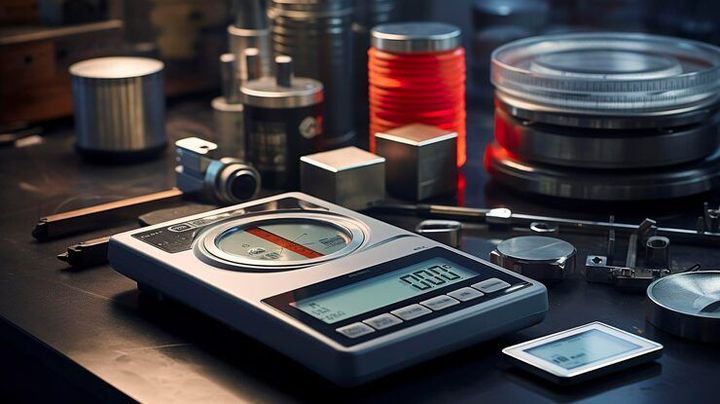
Test and measurement equipment refers to devices and systems used to evaluate, verify, and ensure the performance, safety, and accuracy of products, materials, and processes. These tools are widely used across industries such as electronics, manufacturing, energy, telecommunications, and healthcare.
At its core, the purpose of test and measurement is to collect accurate data. This data helps engineers, technicians, and quality teams understand whether a system is functioning as expected or if adjustments are needed. Without proper measurement, it becomes difficult to maintain consistent quality or meet technical standards.
Common examples of test and measurement equipment include oscilloscopes, multimeters, signal generators, spectrum analyzers, and data acquisition systems. Each device serves a specific purpose, such as measuring voltage, analyzing signals, or monitoring environmental conditions
Types of Test and Measurement Equipment
| Equipment Type | Function | Common Use Case |
|---|---|---|
| Oscilloscope | Visualizes electrical signals | Circuit debugging |
| Multimeter | Measures voltage, current, resistance | Electrical maintenance |
| Signal Generator | Produces test signals | Device calibration |
| Spectrum Analyzer | Analyzes signal frequencies | Wireless communication testing |
| Data Logger | Records data over time | Environmental monitoring |
These tools exist because modern systems are complex and require precise validation. Even small inaccuracies can lead to product failure or safety risks.
Importance – Why Test and Measurement Matters Today
Test and measurement equipment plays a critical role in ensuring reliability, safety, and performance in today’s technology-driven world. As industries adopt advanced systems such as automation, renewable energy, and smart devices, the need for accurate measurement has increased significantly.
Key Reasons for Its Importance
Quality Assurance
Accurate measurement ensures that products meet defined specifications. This is especially important in sectors like electronics, where small deviations can affect performance.
Safety and Compliance
Many industries must follow strict safety standards. Measurement tools help verify that systems operate within safe limits, reducing risks of accidents or failures.
Efficiency and Optimization
Data collected through measurement tools allows organizations to improve processes, reduce waste, and enhance productivity.
Innovation Support
Research and development rely heavily on testing. Engineers use measurement tools to experiment, validate ideas, and refine new technologies.
Who It Affects
- Engineers and technicians working in design and maintenance
- Manufacturers ensuring product quality
- Researchers developing new technologies
- Regulatory bodies monitoring compliance
Problems It Solves
- Detects faults and inconsistencies
- Ensures product reliability
- Supports standardization across industries
- Reduces downtime and operational risks
In a world increasingly dependent on precision, measurement tools act as the foundation for trust in technology.
Recent Updates – Trends and Developments
Over the past year, test and measurement technology has evolved to keep pace with digital transformation and emerging industries. Several notable trends have shaped the field in 2025 and early 2026.
Integration with Artificial Intelligence
AI-powered testing systems are being used to analyze large datasets quickly and identify patterns. These systems can detect anomalies that may not be visible through manual analysis.
Growth of Remote Testing Solutions
With the rise of connected devices, remote monitoring and testing have become more common. Cloud-based platforms allow engineers to access measurement data from different locations.
Advancements in 5G and Communication Testing
As 5G networks expand globally, specialized equipment is being developed to test high-frequency signals and ensure network reliability.
Miniaturization of Devices
Portable and compact measurement tools are becoming more popular. These devices provide flexibility while maintaining accuracy.
Sustainability Focus
In 2025, many industries began emphasizing energy-efficient testing equipment. This shift supports environmental goals and reduces operational impact.
Trend Overview Table
| Trend | Description | Impact |
|---|---|---|
| AI Integration | Automated data analysis | Faster decision-making |
| Remote Testing | Cloud-based monitoring | Improved accessibility |
| 5G Testing | High-frequency signal analysis | Better network performance |
| Miniaturization | Smaller, portable devices | Increased usability |
| Sustainability | Energy-efficient equipment | Reduced environmental impact |
These updates highlight how the field continues to adapt to modern technological demands.
Laws or Policies – Regulatory Framework
Test and measurement equipment is closely linked to standards and regulations. These rules ensure accuracy, safety, and consistency across industries.
International Standards
Organizations such as the International Organization for Standardization (ISO) and the International Electrotechnical Commission (IEC) define global standards for measurement practices.
Calibration Requirements
Many countries require regular calibration of measurement equipment. Calibration ensures that devices provide accurate readings over time.
Industry-Specific Regulations
- Electronics: Must comply with electromagnetic compatibility standards
- Healthcare: Devices must meet strict validation requirements
- Energy: Systems must adhere to safety and performance guidelines
Government Programs
In countries like India, initiatives such as quality assurance programs and certification systems support standardized measurement practices. These programs aim to improve manufacturing quality and global competitiveness.
Compliance Importance
Failure to follow regulations can lead to:
- Product rejection
- Safety risks
- Legal consequences
Regulatory frameworks ensure that measurement results are reliable and universally accepted.
Tools and Resources – Helpful Platforms and Systems
A variety of tools and resources support professionals working with test and measurement equipment. These include software, applications, and digital platforms that enhance efficiency and accuracy.
Software Tools
- Data analysis software for processing measurement results
- Simulation tools for testing virtual models
- Calibration management systems
Digital Platforms
- Cloud-based monitoring systems
- Remote diagnostics platforms
- Data visualization dashboards
Templates and Calculators
- Measurement uncertainty calculators
- Calibration record templates
- Testing procedure checklists
Educational Resources
- Technical documentation and manuals
- Online courses on measurement techniques
- Industry guidelines and best practices
Example Tool Comparison
| Tool Type | Purpose | Benefit |
|---|---|---|
| Data Analysis Software | Process measurement data | Improved accuracy |
| Simulation Tools | Virtual testing | Reduced physical testing |
| Cloud Platforms | Remote access | Real-time monitoring |
| Calibration Systems | Manage equipment accuracy | Consistent performance |
These resources help professionals maintain high standards and improve testing workflows.
FAQs – Common Questions About Test and Measurement Equipment
What is the main purpose of test and measurement equipment?
The main purpose is to collect accurate data about a system’s performance, ensuring it meets required standards and operates safely.
How often should measurement equipment be calibrated?
Calibration frequency depends on usage and industry standards, but it is typically performed at regular intervals to maintain accuracy.
What industries use test and measurement equipment?
Industries such as electronics, manufacturing, telecommunications, healthcare, and energy rely heavily on these tools.
What is measurement uncertainty?
Measurement uncertainty refers to the range within which the true value is expected to lie. It helps assess the reliability of a measurement.
Can measurement tools be automated?
Yes, many modern systems include automation features, allowing faster data collection and analysis with minimal manual intervention.
Conclusion
Test and measurement equipment forms the backbone of precision and quality assurance in modern industries. By enabling accurate data collection and analysis, these tools ensure that systems perform reliably and meet required standards.
As technology continues to evolve, the role of measurement equipment becomes even more critical. Trends such as AI integration, remote testing, and sustainability are shaping the future of this field. At the same time, regulatory frameworks ensure that measurement practices remain consistent and trustworthy.