Guide to Aluminum Smelting: Basics, Explanation, and Informative Tips to Learn More
Aluminum smelting is the industrial process used to extract aluminum metal from aluminum oxide, a compound found in refined bauxite ore. Aluminum is one of the most widely used metals in modern life because it is lightweight, corrosion-resistant, and easily shaped into different forms. Items such as beverage containers, transportation components, building materials, and electrical equipment commonly rely on aluminum.
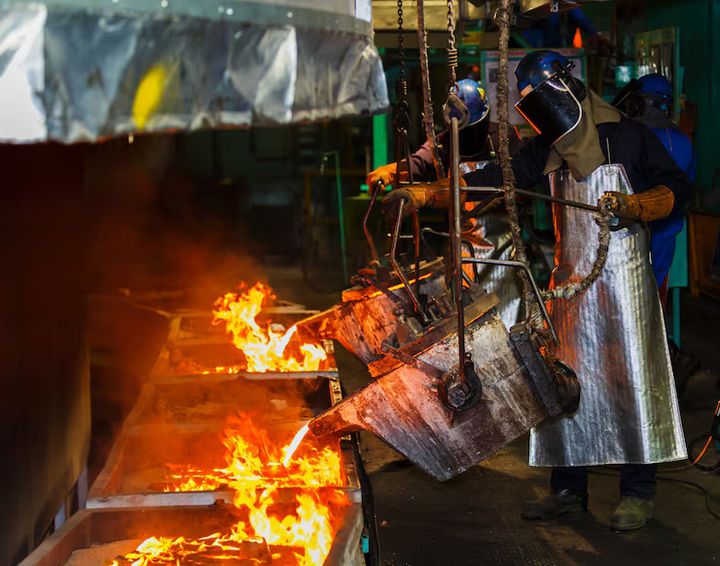
The process of aluminum smelting mainly uses a technique called electrolysis. In this method, an electric current passes through a molten mixture containing aluminum oxide and other materials. The electricity separates aluminum from oxygen, producing molten aluminum metal that collects at the bottom of the smelting cell.
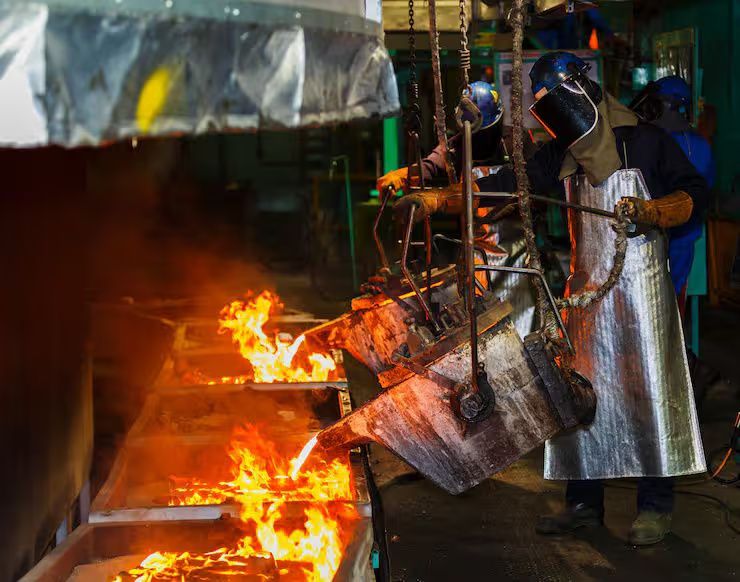
The modern aluminum smelting process originates from the Hall–Héroult method, developed in the late nineteenth century. This technique made large-scale aluminum production possible and remains the core method used in many smelting facilities today. Over time, improvements in equipment, energy efficiency, and environmental management have refined the process.
Understanding aluminum smelting helps explain how a common raw material becomes a versatile metal used across industries. Learning the basics of aluminum smelting also provides insight into how electricity, chemistry, and industrial engineering work together in large-scale manufacturing systems.
How Aluminum Smelting Works
Aluminum smelting generally follows several key stages. Each stage plays a role in transforming aluminum oxide into usable metal.
- Preparation of aluminum oxide: Bauxite ore is refined into aluminum oxide (also called alumina) through chemical processing.
- Electrolytic reduction: Alumina dissolves in molten cryolite within a smelting cell. Electric current passes through the mixture, separating aluminum from oxygen.
- Collection of molten aluminum: Liquid aluminum accumulates at the bottom of the cell and is periodically removed.
- Casting and shaping: The molten metal can then be cast into ingots, slabs, or other forms for further manufacturing.
These steps illustrate the transformation of a mineral compound into a metal widely used in everyday products.
Key Materials Used in the Process
Several materials are essential for aluminum smelting operations.
- Alumina (aluminum oxide) derived from bauxite
- Cryolite, which lowers the melting temperature of alumina
- Carbon anodes that conduct electricity into the cell
- Large electrical power supplies that drive the electrolysis reaction
The combination of these materials allows the electrochemical reaction to occur efficiently inside specialized smelting equipment.
Importance
Aluminum smelting plays a major role in modern infrastructure and manufacturing systems. Aluminum is widely used because of its strength-to-weight ratio, resistance to corrosion, and ability to conduct electricity. These characteristics make it valuable for transportation, packaging, construction, and electronics.
In transportation industries, aluminum helps reduce vehicle weight, which can improve energy efficiency. Aircraft structures, train components, and automobile parts frequently use aluminum alloys for this reason. Buildings and infrastructure also use aluminum for window frames, roofing materials, and structural panels.
The importance of aluminum smelting also relates to global material supply chains. Aluminum is often described as a foundational industrial metal because it supports multiple sectors of the economy. Its production enables industries to manufacture durable goods and infrastructure components.
Another important aspect is recycling. Aluminum can be reused repeatedly without losing many of its properties. Recycled aluminum requires significantly less energy compared with primary aluminum smelting. As a result, recycling programs often complement smelting operations to meet demand while conserving resources.
Environmental considerations also influence the importance of aluminum smelting. Because the process requires large amounts of electricity, improvements in energy efficiency and emission reduction have become central priorities for the industry. Researchers and engineers continue exploring ways to reduce environmental impacts while maintaining stable metal production.
Industries That Depend on Aluminum
Several sectors rely heavily on aluminum produced through smelting processes.
- Transportation: aircraft frames, rail systems, automotive parts
- Construction: structural panels, window systems, roofing materials
- Packaging: beverage containers, foil, and protective packaging layers
- Electrical systems: transmission lines and electrical components
- Consumer products: electronics casings, appliances, and household items
These examples show how aluminum smelting connects directly to everyday products and infrastructure.
Recent Updates
Between 2024 and 2026, aluminum smelting technology has continued to evolve as manufacturers focus on energy efficiency, emissions reduction, and digital monitoring. These developments reflect broader industrial trends toward sustainability and advanced automation.
One major trend involves the adoption of inert anode technology. Traditional carbon anodes release carbon dioxide during electrolysis. Inert anodes, which use alternative materials, can significantly reduce direct carbon emissions. Several pilot projects and industrial trials have expanded research into this technology.
Another update involves improvements in energy management. Aluminum smelting facilities require continuous electrical power, and modern systems increasingly integrate renewable energy sources such as hydropower, solar generation, or wind power. These energy strategies aim to reduce environmental impact while maintaining stable production levels.
Digital monitoring systems have also become more common in smelting operations. Sensors and data platforms track temperature, electrical flow, and chemical conditions within smelting cells. This information helps operators maintain stable operating conditions and identify maintenance needs.
Automation and predictive analytics represent additional developments. Machine learning tools can analyze operational data and predict equipment performance trends. These technologies help facilities maintain efficiency and improve operational reliability.
The general trend across the aluminum industry emphasizes reducing environmental impact, improving energy efficiency, and modernizing industrial processes through digital technology.
Emerging Research Areas
Research institutions and industrial laboratories continue exploring several new approaches related to aluminum smelting.
- Improved electrolytic cell designs that enhance energy efficiency
- Advanced materials for inert anodes
- Carbon capture technologies linked to industrial emissions
- Digital control systems for real-time monitoring of smelting operations
These developments aim to address long-term environmental and operational challenges associated with large-scale aluminum production.
Laws or Policies
Aluminum smelting operates within regulatory frameworks that address environmental protection, energy use, and industrial safety. Governments and international organizations establish guidelines that shape how smelting facilities operate.
Environmental regulations often focus on emissions control. Smelting facilities may be required to monitor and limit substances released into the atmosphere, including fluoride compounds and greenhouse gases. Monitoring equipment and reporting procedures help ensure compliance with environmental standards.
Energy policies can also influence aluminum smelting operations. Because the process relies on continuous electricity supply, national energy strategies sometimes affect how smelting plants access power. Policies encouraging renewable energy integration may influence the location or operation of new smelting facilities.
Waste management rules are another regulatory factor. By-products from aluminum smelting, including spent anodes and certain chemical residues, must be handled according to environmental guidelines. Facilities typically follow established procedures for storage, treatment, and disposal of industrial materials.
International agreements related to climate change have also influenced industrial practices. These agreements encourage industries to reduce greenhouse gas emissions and adopt cleaner technologies where possible.
Typical Regulatory Focus Areas
Government regulations related to aluminum smelting commonly address several areas.
- Environmental emission monitoring
- Industrial workplace safety
- Energy efficiency requirements
- Handling and storage of industrial by-products
- Reporting of environmental performance data
These policies aim to balance industrial production with environmental protection and public safety.
Tools and Resources
A variety of technical tools and information platforms help researchers, engineers, and students understand aluminum smelting processes. These resources support education, process analysis, and industrial planning.
Several scientific organizations publish research papers and technical documents related to metallurgy and materials science. Academic journals often contain studies describing improvements in electrolysis technology, anode materials, and emission reduction methods.
Educational platforms also provide learning materials explaining aluminum smelting basics. Universities and research institutions frequently publish lecture notes, laboratory demonstrations, and introductory guides covering electrochemical metallurgy.
Simulation software represents another useful resource. Metallurgical simulation programs allow engineers to model electrolysis reactions, heat flow, and electrical behavior inside smelting cells. These tools help researchers analyze process conditions and explore potential design improvements.
Government and international organizations sometimes provide data resources related to aluminum production and environmental performance. These databases can include industry reports, sustainability metrics, and technical reference materials.
Examples of Helpful Resources
- Materials science journals focusing on metallurgy
- University research publications on electrochemical processes
- Industrial simulation software for metallurgical analysis
- Environmental monitoring databases related to metal production
- Educational platforms explaining aluminum smelting basics
These tools support learning and research about how aluminum smelting operates and evolves.
FAQs
What is aluminum smelting and how does it work?
Aluminum smelting is the industrial process that extracts aluminum metal from aluminum oxide through electrolysis. Electric current passes through a molten mixture containing alumina, separating aluminum from oxygen and producing liquid aluminum metal.
Why does aluminum smelting require large amounts of electricity?
The electrolysis reaction used in aluminum smelting requires continuous electrical energy to separate aluminum from oxygen atoms in aluminum oxide. Maintaining high temperatures and electrical flow inside smelting cells also contributes to energy demand.
What materials are used in the aluminum smelting process?
The aluminum smelting process typically uses alumina derived from bauxite, molten cryolite that helps dissolve alumina, carbon anodes that conduct electricity, and large electrolysis cells that maintain high temperatures for the reaction.
Is recycled aluminum related to aluminum smelting?
Recycled aluminum complements aluminum smelting by providing an additional metal supply source. Recycling aluminum requires significantly less energy compared with primary aluminum smelting, making it an important part of global aluminum production systems.
What environmental challenges are associated with aluminum smelting?
Aluminum smelting can produce greenhouse gases and industrial emissions. Modern facilities address these challenges through improved emission controls, energy management systems, and research into alternative technologies such as inert anodes.
Conclusion
Aluminum smelting is the process that converts aluminum oxide into usable aluminum metal through electrolysis. This process forms the foundation of aluminum production used in transportation, construction, packaging, and electronics. Advances in energy management, digital monitoring, and alternative materials are shaping modern smelting technologies. Environmental regulations and research initiatives also influence how the industry evolves. Understanding aluminum smelting helps explain how a common industrial metal is produced and why it remains important in many aspects of modern life.