Guide to Connected Home Innovation: Basics, Explanation, and Informative Tips to Learn More
Connected home innovation refers to the use of digital technologies that allow household devices and systems to communicate with each other through a network. This concept often appears in discussions about smart homes, home automation, and internet-connected devices designed to simplify everyday activities. The guide to connected home innovation helps readers understand how these systems work, why they exist, and how they have developed alongside advances in computing and communication technology.
The origins of connected homes can be traced to early home automation experiments that focused on controlling lighting, heating, or security systems through electronic controllers. As internet access expanded and wireless technology improved, devices such as thermostats, lighting systems, security cameras, and appliances became capable of sharing information through a central network.
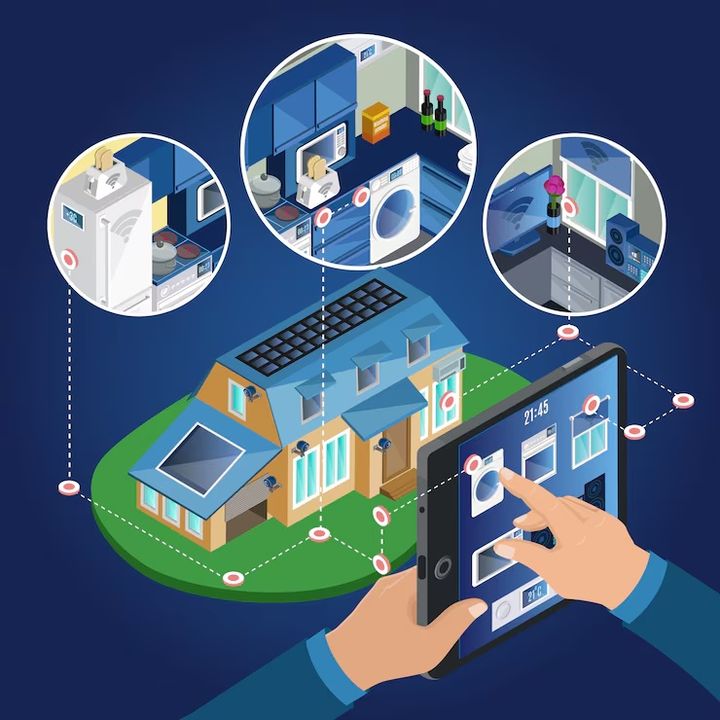
Today, connected home innovation involves a combination of sensors, software platforms, and wireless communication. Devices gather data from the environment and send it to a central hub or cloud platform where the information can be analyzed and used to automate certain actions. For example, a motion sensor may trigger lighting changes, while a smart thermostat can adjust indoor temperature based on occupancy patterns.
The basics and explanation of connected home innovation often include three core components. First, connected devices such as sensors, cameras, lighting systems, and thermostats gather information. Second, communication networks such as Wi-Fi, Bluetooth, or Zigbee allow devices to share data. Third, management platforms or mobile applications provide users with a way to monitor and control the system.
Understanding these elements helps readers learn more about how digital connectivity influences modern living environments. As internet infrastructure expands globally, connected home innovation continues to develop in ways that integrate technology into everyday routines.
Importance
Connected home innovation matters because it changes how people interact with their living spaces. Homes are increasingly designed to respond to human activity through automated systems and data-driven processes. This transformation affects household management, energy consumption, security monitoring, and daily convenience.
One key reason for the growing attention to connected homes is energy awareness. Many connected systems allow homeowners to track energy use and adjust heating, cooling, and lighting patterns based on occupancy or time of day. This type of automation helps households understand how energy is used and may encourage more efficient habits.
Another important aspect involves safety and monitoring. Connected cameras, door sensors, and alarm systems can send notifications when unusual activity occurs. These features provide households with information about what is happening in their living spaces even when residents are away.
Connected home innovation also influences accessibility. For individuals with mobility limitations or elderly residents, voice-controlled devices and automated systems may simplify daily tasks such as adjusting lighting or monitoring household conditions.
The growing relevance of connected home systems can be summarized through several everyday applications:
- Energy monitoring: Smart meters and connected thermostats track energy consumption patterns.
- Environmental control: Automated systems regulate lighting, temperature, and ventilation.
- Home security monitoring: Cameras and motion sensors detect activity and send alerts.
- Appliance integration: Connected refrigerators, washing machines, and ovens communicate with household networks.
- Voice-controlled interaction: Digital assistants allow users to control devices through spoken commands.
These applications demonstrate how connected home innovation affects a wide range of daily activities. As more devices become internet-enabled, the ability to coordinate household systems through digital platforms continues to expand.
Recent Updates
From 2024 through 2026, connected home innovation has continued to evolve through improvements in device compatibility, wireless communication, and artificial intelligence integration. Technology companies and industry groups have focused on creating systems that allow different devices to communicate more easily across platforms.
One widely discussed development is the increasing adoption of interoperability standards. These standards help devices from different manufacturers work together through a shared communication protocol. This approach reduces technical barriers that previously limited integration between various connected devices.
Artificial intelligence has also become more visible in connected home systems. AI-based software can analyze usage patterns, detect unusual behavior, and adjust device settings automatically. For example, learning algorithms may observe daily routines and adapt lighting or heating schedules accordingly.
Another trend involves privacy and data protection features. As more devices collect environmental data, discussions about responsible data handling have become more common. Device manufacturers and technology platforms have introduced improved encryption methods and user-controlled privacy settings to address these concerns.
Edge computing is another emerging element in connected home innovation. Instead of sending all device data to remote servers, some systems process information locally within the home network. This approach can reduce delays and allow devices to respond more quickly to real-time conditions.
The following table highlights several technological areas shaping connected home development in recent years.
| Technology Area | Description | Example Application |
|---|---|---|
| Interoperability Standards | Communication frameworks allowing devices from different brands to connect | Smart lights working with multiple control platforms |
| Artificial Intelligence | Software that analyzes patterns and automates responses | Automated climate adjustment based on routines |
| Edge Computing | Local processing of device data within the home network | Security cameras analyzing motion events locally |
| Voice Interfaces | Speech recognition systems for device control | Voice commands adjusting lighting or appliances |
| Sensor Integration | Networks of environmental sensors collecting data | Air quality monitoring and ventilation adjustment |
These developments demonstrate how connected home innovation continues to adapt as new technologies emerge.
Laws or Policies
Connected home technologies operate within regulatory frameworks designed to address consumer protection, data privacy, and electronic communication standards. Government agencies and regulatory organizations play an important role in establishing guidelines for how connected devices interact with users and digital networks.
In India, digital technology policies often intersect with connected home innovation through broader information technology regulations. For example, data protection initiatives aim to ensure that personal information collected by connected devices is handled responsibly. These regulations typically focus on transparency, consent, and responsible data storage practices.
Telecommunications policies also influence how connected devices communicate. Wireless standards, spectrum allocation, and network infrastructure development affect how smart devices connect to the internet. As internet coverage expands, these policies help maintain stable communication networks for connected technologies.
Product safety regulations also apply to electronic devices used within connected homes. Devices that contain wireless transmitters, sensors, or electronic components must comply with technical standards established by national regulatory authorities.
In addition, global technology standards organizations help shape connected home innovation by defining communication protocols and interoperability guidelines. These organizations work with industry participants and governments to create technical frameworks that support device compatibility.
Understanding these policies helps readers see how connected home innovation operates within a broader regulatory environment designed to protect users and maintain network reliability.
Tools and Resources
Learning about connected home innovation often involves exploring digital tools and educational resources that explain device communication, automation systems, and home network management. These tools can help readers visualize how connected devices operate together.
Several commonly used platforms and resources support connected home experimentation and learning:
- Home automation platforms: Systems such as Home Assistant provide dashboards for managing connected devices and creating automation routines.
- Device ecosystems: Platforms like Google Home allow users to monitor compatible devices through a centralized mobile application.
- Voice interface systems: Smart speaker platforms such as Amazon Alexa support voice-controlled interaction with connected devices.
- Industry standards organizations: Groups such as Connectivity Standards Alliance publish guidelines and frameworks for device interoperability.
Other helpful learning resources include online documentation, device simulation tools, and educational technology blogs that explain the basics and technical structure of connected home systems. These materials help readers explore how automation rules, device triggers, and network connections function in practice.
For beginners interested in understanding the explanation and informative tips surrounding connected home innovation, exploring documentation from technology platforms and standards organizations can provide structured insights into how devices communicate and coordinate within a digital home environment.
FAQs
What is connected home innovation?
Connected home innovation refers to the integration of internet-enabled devices within a household environment. These devices communicate with each other through a network to automate tasks, monitor conditions, and allow centralized control through digital platforms.
How do connected home devices communicate with each other?
Connected home devices communicate through wireless technologies such as Wi-Fi, Bluetooth, Zigbee, or other network protocols. These connections allow devices to share information with a central hub or cloud platform that manages automation processes.
What are the basics of connected home innovation for beginners?
The basics of connected home innovation include three key elements: connected devices that collect data, communication networks that transmit information, and control platforms that allow users to monitor or automate actions. These components work together to create an interactive home environment.
Why is a guide to connected home innovation useful?
A guide to connected home innovation provides explanations of how smart devices function, how automation systems operate, and how households can understand the technology behind connected environments. Such guides help readers learn more about the structure and purpose of these systems.
Are connected home systems related to smart home technology?
Yes. Connected home innovation is closely related to smart home technology. Both concepts describe the use of networked devices, sensors, and automation systems designed to manage lighting, climate, security, and appliances within a household.
Conclusion
Connected home innovation represents an ongoing shift toward digitally integrated living environments. By linking household devices through communication networks, these systems enable automated responses and centralized monitoring of everyday activities.
Understanding the basics, explanation, and informative tips related to connected home technology helps readers recognize how sensors, networks, and software platforms interact within modern households. Technological developments, evolving standards, and regulatory frameworks continue to influence how these systems operate.
As internet connectivity expands and device interoperability improves, connected home innovation remains an important area of technological development shaping residential environments.