Guide to Die Cutting Machines: Types, Technology, Regulations, and Industry Trends
Die cutting machines are industrial and commercial machines used to cut, shape, or emboss materials into specific designs using a specialized tool known as a die. These machines are widely used in manufacturing, packaging, automotive components, textiles, electronics, and printing industries.
The concept of die cutting originated in the 19th century when shoemakers used steel-rule dies to cut leather pieces consistently. Over time, this process evolved into advanced mechanical and digital systems capable of cutting a wide range of materials with high precision.
Today, die cutting machines are widely used in automated production environments. They ensure uniform shapes, reduce material waste, and support high-volume manufacturing across industries.
Types of Die Cutting Machines
There are several types of die cutting machines designed for different production needs.
Flatbed Die Cutting Machines
Flatbed machines use a flat surface combined with hydraulic or mechanical pressure. They are suitable for thicker materials and medium production volumes.
Rotary Die Cutting Machines
Rotary machines use cylindrical dies that rotate continuously. These machines are ideal for high-speed, large-scale production processes.
Digital Die Cutting Machines
Digital die cutting machines operate without physical dies. They use computer-controlled blades or lasers, making them suitable for custom and short-run production.
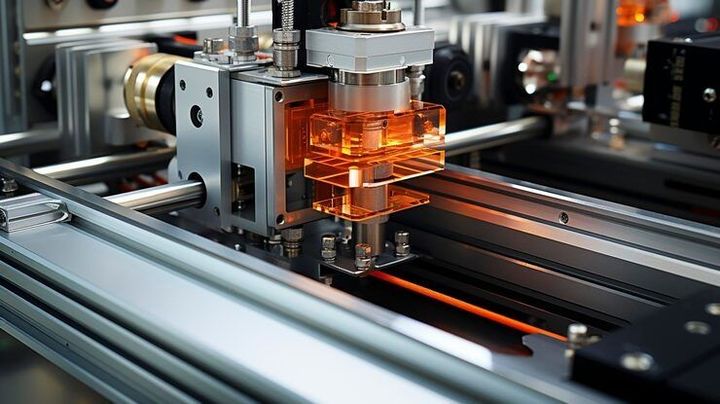
Laser Die Cutting Systems
Laser systems use focused beams to cut intricate designs. They are commonly used for precision applications and delicate materials.
Why Die Cutting Machines Matter in Modern Manufacturing
Die cutting technology plays an important role in modern industries. As automation increases and customization becomes more common, the need for precision cutting solutions continues to grow.
Key Industry Drivers
- Growth in e-commerce requiring custom packaging
- Increased demand for precision in automotive components
- Rising need for accuracy in electronics manufacturing
- Expansion of renewable energy equipment production
Production Benefits
- Improved dimensional accuracy
- Faster production speed
- Reduced manual labor
- Better material utilization
- Consistent product quality
For example, rotary die cutting machines are widely used in packaging for high-volume output. In contrast, laser systems are preferred in electronics for producing delicate micro-components.
Recent Updates and Industry Trends in 2025
Die cutting technology has seen significant advancements aligned with Industry 4.0 trends. These innovations focus on automation, efficiency, and digital integration.
Key Technological Developments
- AI-driven machine monitoring systems
- Energy-efficient servo-driven presses
- Hybrid mechanical and laser systems
- Cloud-based production tracking dashboards
Sustainability is also a major focus in 2025. Manufacturers are adopting machines that reduce energy consumption and improve material usage.
Smart Manufacturing Features
- Real-time performance dashboards
- Predictive maintenance alerts
- Automated alignment systems
- Integrated quality inspection modules
These features help improve operational efficiency and support data-driven manufacturing processes.
Regulatory and Policy Considerations
Die cutting machines must comply with safety and environmental regulations. These rules ensure safe operation and sustainable manufacturing practices.
Key Compliance Areas
- Machine guarding requirements
- Operator safety training
- Noise and electrical safety standards
In regions like the United States and Europe, regulations such as OSHA standards and CE marking are commonly followed.
Environmental Requirements
- Dust and emission control systems
- Proper waste management procedures
- Energy efficiency monitoring
Compliance supports both worker safety and environmental protection in manufacturing facilities.
Tools and Resources for Die Cutting Operations
Various tools and software systems are used to support die cutting processes. These tools improve efficiency, accuracy, and production planning.
Common Tools
- CAD software for design layouts
- CAM software for tool path generation
- CNC simulation software
- Production planning tools
- Industrial IoT dashboards
- Maintenance tracking systems
Die Cutting Technology Comparison
| Technology Type | Suitable Materials | Speed Level | Ideal Application |
|---|---|---|---|
| Flatbed Mechanical | Cardboard, foam, rubber | Moderate | Medium-volume production |
| Rotary Die Cutting | Paper, corrugated board | High | Large-scale packaging manufacturing |
| Digital Blade Cutting | Vinyl, fabric, paper | Variable | Custom and short-run production |
| Laser Die Cutting | Thin plastics, composites | High | Precision and intricate designs |
Basic Workflow
- Create design using CAD software
- Convert design into machine-readable format
- Load material into the machine
- Execute cutting process
- Inspect finished output
- Monitor machine performance
Modern systems also include analytics platforms that track output, downtime, and tool wear.
Frequently Asked Questions
What materials can die cutting machines process?
Die cutting machines can process paper, cardboard, rubber, foam, fabric, plastic sheets, thin metals, and composite materials depending on the machine type.
What is the difference between flatbed and rotary die cutting?
Flatbed die cutting uses a flat press and is suitable for thicker materials and smaller runs. Rotary die cutting uses cylindrical dies and is designed for high-speed production.
How does digital die cutting differ from traditional methods?
Digital die cutting eliminates the need for physical dies. It uses computer-controlled systems, allowing faster design changes and customization.
Are die cutting machines energy efficient?
Modern machines use servo-driven motors and optimized systems. These improvements make them more energy efficient than older mechanical models.
How is quality maintained in die cutting operations?
Quality is ensured through calibration, automated alignment, regular maintenance, and digital monitoring systems.
Industry Performance Insights
Manufacturing priorities in 2025 emphasize automation and sustainability. Companies are focusing on improving efficiency while reducing environmental impact.
Industry Focus Table
| Focus Area | Priority Level |
|---|---|
| Automation Integration | High |
| Energy Efficiency | High |
| Material Waste Reduction | High |
| Manual Process Reduction | Moderate |
| Custom Production | High |
The growth of electric vehicles and advanced packaging continues to drive demand. Regional manufacturing hubs are also adopting modern die cutting technologies for scalable production.
Conclusion
Die cutting machines are a critical part of modern manufacturing. They enable precise and efficient shaping of materials across industries such as packaging, automotive, electronics, and textiles.
In 2025, advancements in automation, digital integration, and sustainability are transforming die cutting technology. Smart systems and energy-efficient designs are helping industries move toward connected and scalable production environments.
Understanding these machines, their types, and industry trends provides valuable insights for professionals and businesses. As manufacturing evolves, die cutting remains essential for precision and efficiency.