Drilling machines are essential tools in manufacturing, construction, and engineering. Their primary function is to create precise circular holes in different materials, including metal, wood, plastics, and composites. From basic hand-operated drills to advanced CNC drilling machines, the technology has evolved significantly over the years.
Modern drilling machines are designed for accuracy, speed, and versatility. They are widely used in industries such as automotive, aerospace, construction, and electronics, where precision drilling is critical to product quality and safety.
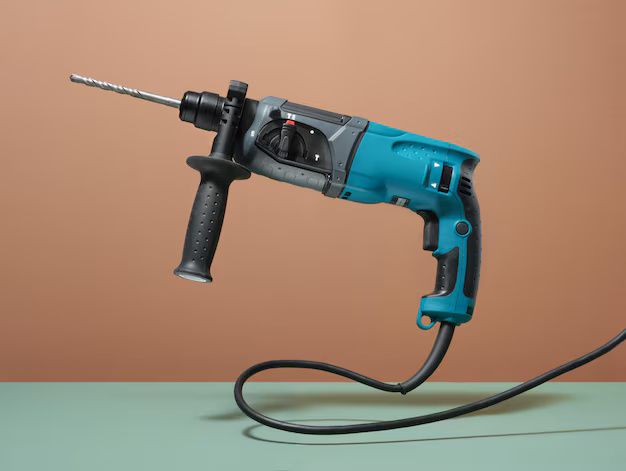
Importance of drilling machines today
Drilling machines hold significant importance in today’s industrial and commercial landscape:
-
Precision and accuracy – Ensures high-quality holes for bolts, rivets, and mechanical fittings.
-
Efficiency in production – Automated drilling reduces time in mass manufacturing.
-
Versatility – Suitable for various materials and thickness levels.
-
Safety and consistency – Machines reduce manual error and improve workplace safety.
-
Innovation support – Enables manufacturing of complex components in aerospace, medical devices, and electronics.
Both small-scale workshops and large manufacturing plants depend on drilling machines for reliable operations.
Recent updates and trends in drilling machines
In the past year, notable developments have shaped the drilling technology landscape:
-
CNC integration (2023–2024): Computer Numerical Control (CNC) drilling systems now allow automated programming and multi-axis drilling for complex designs.
-
Energy-efficient motors: Manufacturers are adopting eco-friendly and power-saving technologies in drilling equipment.
-
Smart sensors and IoT: Real-time monitoring helps track wear, optimize performance, and predict maintenance needs.
-
Lightweight materials drilling: New tooling systems can handle composites and carbon fiber, popular in automotive and aerospace.
-
Sustainability focus: Recycling-friendly lubricants and low-waste drilling techniques are gaining traction.
These updates reflect a strong shift toward automation, sustainability, and digital integration in the drilling industry.
Laws and policies affecting drilling machines
The manufacturing and industrial equipment sector is regulated for safety, environmental compliance, and efficiency. Key policies include:
-
Occupational safety standards: Guidelines ensure safe operation, protective gear, and accident prevention.
-
Energy efficiency regulations: Encourage manufacturers to design drilling machines with eco-friendly motors and low energy consumption.
-
Noise and vibration limits: Rules minimize health hazards for workers operating heavy-duty drilling equipment.
-
Environmental compliance: Proper waste disposal and lubricant management are mandated in many regions.
-
Import-export regulations: Countries may require certification for industrial drilling equipment to ensure compliance with local standards.
Adhering to these regulations helps industries maintain safety, productivity, and environmental responsibility.
Tools and resources for learning more
To better understand and work with drilling machines, several resources are available:
-
Drilling calculators: Estimate spindle speed, feed rate, and material compatibility.
-
CAD/CAM software: Supports design and programming for CNC drilling operations.
-
E-learning platforms: Provide training modules on machine handling and advanced drilling techniques.
-
Engineering handbooks: Contain reference data on drill bit sizes, speeds, and applications.
-
Maintenance checklists: Help operators ensure machines remain safe and efficient.
These tools enhance knowledge, reduce operational risks, and improve precision in projects.
Frequently asked questions
What are the main types of drilling machines?
Common types include bench drilling machines, radial drilling machines, CNC drilling machines, and portable drills.
Which industries use drilling machines the most?
Automotive, aerospace, construction, shipbuilding, and electronics are key sectors relying on drilling machines.
What is the difference between CNC drilling and conventional drilling?
CNC drilling is automated, highly precise, and capable of handling complex patterns, while conventional drilling is manual or semi-automatic.
How can drilling machines be maintained for longer life?
Regular lubrication, tool sharpening, vibration checks, and scheduled servicing improve machine lifespan.
Are modern drilling machines eco-friendly?
Yes, many modern models include energy-efficient motors and use sustainable cutting fluids.
Conclusion
Drilling machines are a cornerstone of modern manufacturing and engineering. They provide precision, efficiency, and versatility in countless applications, from small workshops to large-scale industries.
With advancements in CNC drilling, IoT-based monitoring, and sustainable practices, drilling technology continues to evolve toward smarter and greener solutions. Understanding their basics, applications, and regulations helps professionals, students, and engineers use drilling machines more effectively.