Guide to Gear and Bevel Gear Manufacturing: Basics, Explanation, and Informative Tips to Learn More
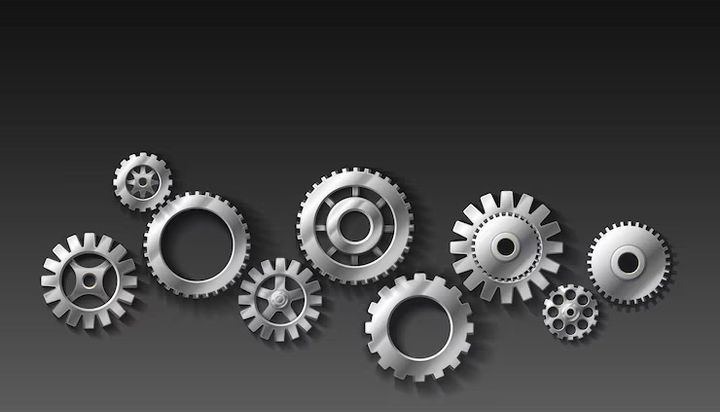
Gears are mechanical components used to transfer motion and power between rotating parts in machines. Among many gear types, gear and bevel gear manufacturing focuses on producing components that allow controlled movement and torque transfer. These parts appear in transportation systems, industrial machinery, robotics, and various mechanical devices that rely on synchronized motion.
Gear manufacturing involves shaping metal or other durable materials into teeth that mesh precisely with another gear. The design determines how smoothly power moves from one rotating shaft to another. Bevel gears are a specific gear type designed to connect shafts that intersect, often at a right angle.
Historically, gears were created through manual machining and metal shaping techniques. Over time, improvements in machining technology, measurement tools, and design software have refined gear production processes. Today, gear and bevel gear manufacturing combines traditional mechanical engineering principles with modern digital design and automated machining methods.
Understanding the basics of gear manufacturing helps explain how many machines operate. From automotive transmissions to industrial equipment, gears play a key role in maintaining motion control, efficiency, and mechanical reliability.
Importance
Gear systems influence the operation of many technologies used in daily life. Vehicles, elevators, wind turbines, and factory machinery rely on gears to transfer energy between moving components. Without precise gear manufacturing, these systems would struggle to maintain stable motion or efficient power transmission.
Bevel gears are particularly important when motion must change direction. For example, they allow power to move between intersecting shafts in vehicle differentials, mechanical tools, and certain power transmission systems.
Gear and bevel gear manufacturing also supports industrial productivity. Reliable gears allow machines to operate for long periods while maintaining consistent motion control. This helps maintain efficiency in sectors such as manufacturing, transportation, and energy.
Several challenges make gear manufacturing important to understand:
- Precision requirements – gear teeth must align accurately to prevent vibration and wear.
- Material durability – gears operate under heavy loads and repeated motion.
- Mechanical efficiency – properly designed gears reduce energy loss.
- Maintenance considerations – high-quality gear manufacturing helps extend the working life of machinery.
Because gears are used in many industries, improvements in manufacturing methods can influence technological development across multiple sectors.
Recent Updates
Recent developments in gear and bevel gear manufacturing reflect broader trends in digital engineering, automation, and advanced materials. Modern production methods increasingly rely on computer-controlled machining and design systems.
Computer-aided design (CAD) and computer-aided manufacturing (CAM) tools now play a significant role in gear development. These systems allow engineers to model gear geometry digitally before physical production begins. Digital simulations help predict how gears will behave under load and rotation.
Automation has also influenced gear production. Modern manufacturing facilities often use CNC machines to produce gear teeth with consistent accuracy. These machines follow programmed instructions that shape gear profiles with high precision.
Additive manufacturing has begun appearing in certain experimental or prototype gear applications. Although traditional machining remains widely used, additive techniques allow engineers to test complex gear shapes during design stages.
Another development involves improved measurement systems. Advanced inspection tools help evaluate gear accuracy by measuring tooth shape, spacing, and alignment. This helps maintain consistency in gear manufacturing and supports quality control processes.
Overall, recent trends emphasize improved accuracy, digital design integration, and more automated production methods.
Laws or Policies
Gear and bevel gear manufacturing often operates within broader industrial and manufacturing regulations. These rules focus on safety, environmental protection, and quality standards rather than the gear components themselves.
In many countries, machinery manufacturing must follow safety standards established by government agencies and technical organizations. These standards help ensure that mechanical components operate safely within equipment.
Common regulatory considerations include:
- Workplace safety standards governing machine operation and worker protection.
- Environmental regulations related to metal processing, lubricants, and waste management.
- Quality certification frameworks used in manufacturing industries.
Industrial standards organizations also publish guidelines for gear design and measurement. These standards help manufacturers produce gears that meet consistent performance criteria.
In addition, export regulations and industrial compliance programs can affect how mechanical components move across international markets. These policies ensure that manufacturing activities follow recognized safety and technical practices.
Although these rules vary between countries, they generally focus on maintaining safe manufacturing environments and consistent product quality.
Tools and Resources
Several technical tools support the study and practice of gear and bevel gear manufacturing. These resources help engineers design gears, evaluate mechanical performance, and verify manufacturing accuracy.
Design and engineering software commonly used in gear development includes platforms that allow digital modeling and simulation of gear systems. Examples include:
- AutoCAD – used for creating technical drawings and mechanical design layouts.
- SolidWorks – used for 3D modeling and mechanical simulation.
- Fusion 360 – combines product design, simulation, and manufacturing tools.
Technical standards organizations also provide documentation that supports gear manufacturing knowledge. Examples include:
- American Gear Manufacturers Association – publishes technical guidelines related to gear design and measurement.
- International Organization for Standardization – provides international standards relevant to industrial manufacturing.
In addition to software and standards, engineering textbooks, technical journals, and university research publications often contain detailed explanations of gear geometry, manufacturing methods, and mechanical analysis.
Example Gear Comparison
The table below illustrates basic differences between several common gear types used in mechanical systems.
| Gear Type | Shaft Orientation | Typical Use |
|---|---|---|
| Spur Gear | Parallel shafts | Simple motion transfer |
| Helical Gear | Parallel shafts | Smoother operation with angled teeth |
| Bevel Gear | Intersecting shafts | Direction change in power transmission |
| Worm Gear | Perpendicular shafts | Large speed reduction |
These gear types are selected based on mechanical requirements such as direction change, load capacity, and rotational speed.
FAQs
What is gear manufacturing?
Gear manufacturing refers to the process of producing mechanical gears that transfer motion and torque between rotating shafts. The process involves shaping gear teeth through machining, cutting, grinding, or other mechanical techniques to ensure accurate alignment and smooth operation.
What is bevel gear manufacturing used for?
Bevel gear manufacturing focuses on producing gears that connect intersecting shafts. These gears are commonly used when power must change direction, such as in vehicle differentials, mechanical drives, and industrial machines.
Why is precision important in gear and bevel gear manufacturing?
Precision ensures that gear teeth mesh smoothly without excessive friction or vibration. Accurate manufacturing helps reduce wear, improves mechanical efficiency, and supports stable motion transfer between connected components.
What materials are commonly used in gear manufacturing?
Common materials include hardened steel, alloy steel, cast iron, and certain engineered plastics. Material selection depends on factors such as load conditions, rotational speed, and operating environment.
How are modern technologies influencing gear manufacturing?
Modern technologies such as CNC machining, digital modeling software, and advanced inspection tools allow engineers to produce gears with greater accuracy. These technologies also support faster design development and improved consistency in production.
Conclusion
Gear and bevel gear manufacturing form an important part of modern mechanical engineering. These components enable machines to transfer power efficiently and control motion across various industrial and transportation systems.
Advances in digital design tools, automated machining, and measurement technologies continue to improve manufacturing precision. At the same time, industrial standards and safety regulations guide production practices in many countries.
Understanding how gears are designed and produced helps explain the mechanical foundations behind many everyday technologies and industrial systems.