Packaging machines are equipment designed to prepare products for storage, distribution, and sale by wrapping, sealing, labeling, or enclosing them in suitable materials. They exist to improve efficiency, hygiene, product protection, and shelf appeal while reducing human effort.
These machines range from small-scale units used in local businesses to large automated systems in factories handling thousands of products per hour. They process diverse items such as food, beverages, pharmaceuticals, electronics, and industrial goods.
The growing need for packaging machines is driven by globalization, increasing consumer demand for safe products, and the rise of e-commerce. With a variety of designs, from filling machines and sealing systems to labeling equipment, packaging technology has become a cornerstone of modern manufacturing and distribution.
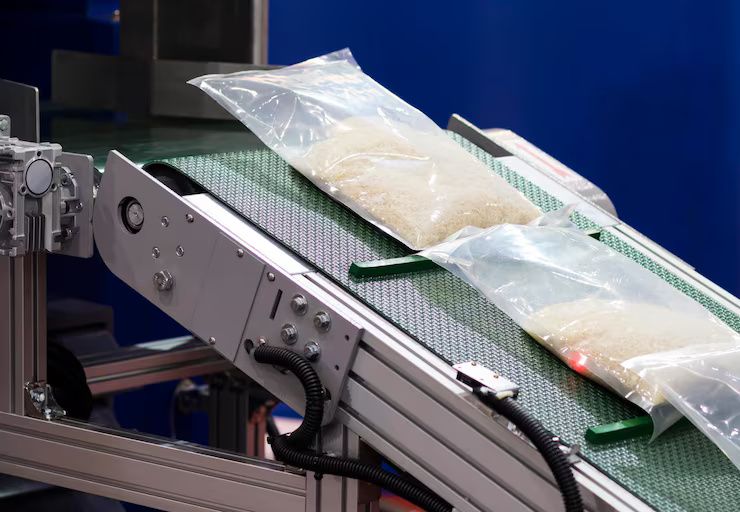
Why Packaging Machines Matter Today
Packaging machines play a vital role in multiple sectors by solving key problems:
-
Product safety and hygiene: Machines ensure food, medicine, and consumer products remain uncontaminated.
-
Efficiency: Automated machines increase production speed and reduce manual work.
-
Sustainability: Modern designs focus on reducing material waste and supporting eco-friendly packaging.
-
Standardization: Machines guarantee uniform product presentation, labeling, and sealing.
-
Economic growth: Packaging machines support industries from agriculture to pharmaceuticals, ensuring global supply chains function smoothly.
The importance of packaging machines extends beyond manufacturers. They impact consumers by delivering products that are safe, appealing, and traceable.
Recent Updates and Trends in Packaging Machines
The packaging industry has experienced rapid technological growth in 2023–2024:
-
Sustainable packaging: Machines are increasingly adapted to handle biodegradable films, recycled materials, and lightweight packaging.
-
Smart packaging: Integration of QR codes and RFID tags into packaging allows for better product tracking and authentication.
-
Automation and robotics: Advanced robotic arms and conveyor systems streamline processes, reducing manual intervention.
-
Digital printing: Machines can now print high-quality graphics and personalized designs directly on packaging.
-
AI and IoT integration: Sensors and data-driven systems improve precision in filling, sealing, and quality checks.
-
Compact and modular designs: New packaging machines are designed to be more flexible and space-saving for small-scale industries.
A report from late 2023 highlighted that the global packaging machinery market is expected to continue growing steadily through 2025, driven by sustainability and automation demands.
Policies, Standards, and Government Influence
The packaging industry operates under strict regulatory frameworks to ensure product safety and environmental responsibility:
-
Food safety regulations: Machines handling food must comply with international hygiene standards, such as FDA regulations in the United States or EFSA standards in Europe.
-
Pharmaceutical packaging rules: Strict labeling, tamper-proof seals, and track-and-trace systems are mandated by health authorities worldwide.
-
Environmental directives: Countries enforce rules on packaging waste, encouraging recyclable or biodegradable packaging solutions.
-
Worker safety standards: Packaging machines must comply with occupational safety regulations to minimize accidents.
-
Energy efficiency programs: Many governments support the adoption of energy-saving machinery through incentives.
Policies not only influence how packaging machines are designed and operated but also encourage innovation in eco-friendly solutions.
Tools and Resources for Learning More
To better understand packaging machines, several resources can be explored:
-
Websites:
-
Packaging World – Industry news and case studies
-
Institute of Packaging Professionals (IoPP) – Educational materials
-
World Packaging Organization (WPO) – Global standards and trends
-
-
Tools and Apps:
-
Packaging design software for testing sustainability and efficiency
-
Barcode and QR code generators for smart packaging integration
-
Material usage calculators to estimate savings and environmental impact
-
-
Reports and Publications:
-
Smithers “Future of Packaging” reports
-
McKinsey sustainability in packaging studies
-
Industry-specific compliance guides for packaging machines
-
These resources help businesses, researchers, and students gain practical and technical knowledge.
Types of Packaging Machines and Their Functions
| Machine Type | Function | Common Applications |
|---|---|---|
| Filling Machines | Dispense liquid, powder, or solid products | Beverages, medicines, cosmetics |
| Sealing Machines | Seal packages to preserve freshness | Food, pharmaceuticals |
| Wrapping Machines | Enclose items in protective films | Confectionery, electronics |
| Labeling Machines | Apply labels or barcodes | Bottled goods, cosmetics |
| Cartoning Machines | Package products into cartons or boxes | Consumer goods, electronics |
| Palletizing Machines | Stack packaged goods onto pallets | Logistics, warehouses |
| Blister Packaging Machines | Seal products between plastic and paperboard | Pharmaceuticals, small goods |
This table illustrates how packaging machines adapt to different industries and requirements.
Frequently Asked Questions
What is the purpose of packaging machines?
Packaging machines prepare products for storage, transport, and sale while ensuring safety, efficiency, and quality.
How are packaging machines connected to sustainability?
Modern machines are designed to work with recyclable and biodegradable materials, reducing packaging waste.
Do small businesses use packaging machines?
Yes, compact and semi-automatic packaging machines are widely used by small manufacturers and startups.
What are the latest innovations in packaging machines?
Key trends include automation, robotics, AI-powered quality control, and smart packaging with digital labels.
Are packaging machines regulated by law?
Yes, packaging machines must comply with safety, environmental, and product-specific regulations depending on the industry.
Conclusion
Packaging machines are essential in today’s global economy, serving industries from food to pharmaceuticals. They exist to improve efficiency, ensure product safety, and support sustainability efforts.
Recent trends highlight the growing role of automation, robotics, and eco-friendly packaging solutions, while government regulations continue to drive innovation and safety.
By learning about packaging machines, one can appreciate their impact on modern life, from the safe delivery of medicines to the eco-conscious packaging of everyday goods. These machines will continue to evolve as technology advances and sustainability becomes even more critical.