Ultrasound machines are medical imaging devices that use high-frequency sound waves to create images of structures inside the body. Unlike X-rays or CT scans, ultrasound does not use ionizing radiation, making it a safer option for many diagnostic purposes.
Ultrasound technology works by transmitting sound waves into the body. These waves bounce back after hitting tissues, fluids, or organs, and the returning echoes are converted into real-time images. This allows healthcare professionals to visualize organs, blood flow, and developing fetuses.
Ultrasound exists to provide non-invasive, accurate, and rapid imaging that supports clinical decision-making. Over time, the technology has expanded beyond medicine into fields like veterinary science, material testing, and industrial inspection.
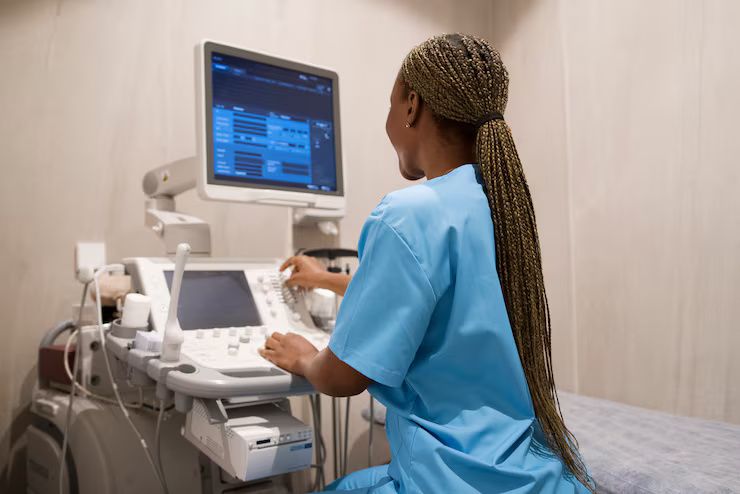
Why Ultrasound Machines Matter Today
Ultrasound imaging plays a critical role across healthcare and beyond:
-
Medical Diagnostics: Detecting tumors, cysts, and abnormalities in organs like the liver, kidneys, and heart.
-
Obstetrics and Gynecology: Monitoring fetal development, checking blood circulation, and ensuring maternal health.
-
Cardiology: Evaluating heart function and blood flow using echocardiography.
-
Emergency Medicine: Providing rapid bedside imaging in trauma and critical care.
-
Musculoskeletal Applications: Examining muscles, tendons, and joints for injuries.
-
Industrial Uses: Non-destructive testing of materials and welds.
The main advantage of ultrasound machines is that they are portable, safe, relatively cost-effective compared to other imaging methods, and provide immediate results.
Recent Updates and Trends in Ultrasound Technology
The past few years have seen remarkable innovation in ultrasound imaging. Some recent developments include:
-
AI-Enhanced Ultrasound (2023–2024): Artificial intelligence now assists in interpreting ultrasound images, reducing human error and improving diagnostic accuracy.
-
Portable and Handheld Devices (2022–2024): Compact ultrasound systems connect to smartphones and tablets, expanding use in remote and rural areas.
-
Elastography Advances (2023): This method measures tissue stiffness, useful in assessing liver fibrosis and cancerous growths.
-
3D and 4D Imaging (2023–2024): Real-time volumetric imaging offers improved visualization of organs and fetal development.
-
Tele-Ultrasound: Integration with telemedicine platforms allows specialists to guide procedures remotely.
-
High-Resolution Probes: Latest probes provide sharper imaging of small structures like blood vessels and nerves.
These trends highlight how ultrasound technology continues to evolve, making it more accessible and powerful.
Regulations and Policies Affecting Ultrasound Use
The use of ultrasound machines is closely regulated to ensure safety, quality, and ethical practice:
-
Medical Device Regulations: In the United States, ultrasound machines are classified as medical devices by the FDA and must meet safety standards.
-
European Union MDR (2021–2024): Devices must comply with the Medical Device Regulation for quality and clinical safety.
-
Radiology Guidelines: Professional organizations like the American College of Radiology provide best-practice standards for ultrasound imaging.
-
Prenatal Ultrasound Policies: Many countries regulate the timing and frequency of fetal ultrasound scans to avoid unnecessary exposure.
-
Training and Licensing Requirements: Only certified healthcare professionals are allowed to operate diagnostic ultrasound in most countries.
These frameworks ensure that ultrasound remains a safe and effective imaging method across healthcare systems.
Helpful Tools and Resources for Ultrasound Learning
For learners, students, and professionals, a wide range of tools and resources are available:
-
Ultrasound Simulators: Training platforms like SonoSim and CAE Vimedix provide realistic practice scenarios.
-
Image Analysis Software: Tools such as GE EchoPAC and Philips QLAB help in analyzing complex ultrasound data.
-
Professional Societies: Organizations like the World Federation for Ultrasound in Medicine and Biology (WFUMB) provide research and educational resources.
-
Educational Apps: Mobile apps allow learners to study anatomy and ultrasound imaging techniques interactively.
-
Online Courses and Atlases: Digital resources offer tutorials, case studies, and image libraries for continuous learning.
These resources help both beginners and professionals deepen their knowledge of ultrasound imaging.
Comparison of Ultrasound Modalities
| Type of Ultrasound | Purpose | Key Application |
|---|---|---|
| 2D Ultrasound | Basic grayscale imaging | Obstetrics, abdominal scans |
| 3D Ultrasound | Volumetric imaging | Fetal development, tumors |
| 4D Ultrasound | Real-time 3D imaging | Live fetal movements |
| Doppler Ultrasound | Measures blood flow | Cardiology, vascular imaging |
| Elastography | Measures tissue stiffness | Liver fibrosis, cancer detection |
| Portable Ultrasound | Compact and mobile | Emergency, field medicine |
This comparison shows how ultrasound machines are versatile, each type adapted to specific medical needs.
Frequently Asked Questions About Ultrasound Machines
What is the difference between 2D, 3D, and 4D ultrasound?
2D shows flat grayscale images, 3D adds depth and volume, and 4D adds real-time motion to 3D imaging.
Is ultrasound safe for pregnant women and babies?
Yes, ultrasound is considered safe when performed according to medical guidelines. It does not use harmful ionizing radiation.
How portable are modern ultrasound machines?
Many new devices are handheld, connecting to tablets or smartphones, which makes them highly portable and usable in remote areas.
What are non-medical uses of ultrasound?
Ultrasound is also used in engineering, material testing, and detecting flaws in industrial products.
What is the future of ultrasound imaging?
Future trends include AI-driven diagnostics, more advanced handheld systems, higher-resolution imaging, and broader integration with telemedicine.
Final Insights
Ultrasound machines are indispensable in modern healthcare and beyond. Their ability to provide safe, immediate, and accurate imaging makes them central to diagnostics, monitoring, and research.
Recent innovations such as AI-assisted interpretation, elastography, and portable ultrasound units have expanded the technology’s reach and impact. At the same time, regulations and ethical standards ensure that ultrasound remains a safe and responsible diagnostic tool.
For learners and professionals, ultrasound offers both a fascinating field of study and a critical medical technology that continues to advance. Understanding its basics, applications, and future potential provides valuable knowledge for anyone interested in medical imaging.