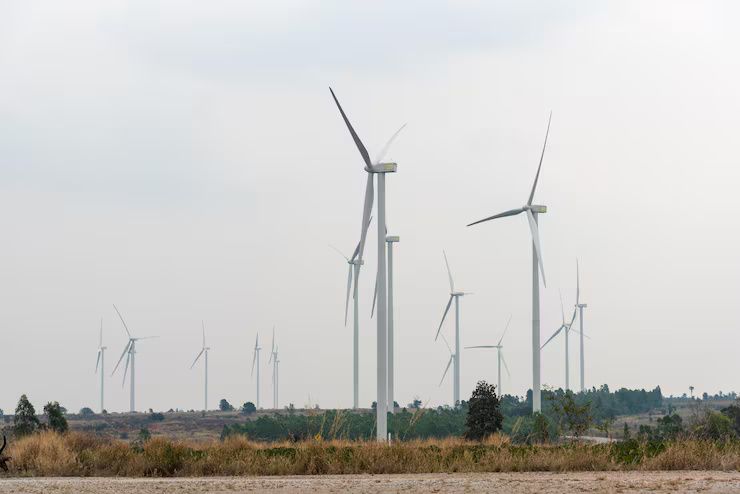
Wind energy projects are initiatives that harness the power of moving air through wind turbines to generate electricity. These projects range from small-scale community setups to large offshore wind farms that provide power to entire regions.
The principle behind wind energy is simple: when the wind blows, it turns the blades of a turbine, which are connected to a rotor and generator that produce electricity. This renewable energy source exists as a sustainable alternative to fossil fuels, aiming to reduce greenhouse gas emissions, improve energy security, and support a cleaner energy future.
Wind energy projects can be onshore, built on land, or offshore, constructed in bodies of water where wind speeds are higher and more consistent. Both types play a crucial role in diversifying energy supply.
Why Wind Energy Projects Matter Today
Wind energy has become one of the fastest-growing renewable energy sectors worldwide. Its importance today lies in:
-
Environmental Benefits: Wind energy reduces dependence on fossil fuels, lowering greenhouse gas emissions.
-
Energy Security: Wind provides a stable, domestically available energy source.
-
Economic Development: Projects create opportunities in manufacturing, installation, and maintenance.
-
Scalability: From household-scale turbines to large wind farms, projects can be adapted to different needs.
-
Climate Change Mitigation: Wind is central to global strategies for reaching net-zero emissions.
Wind energy projects affect a broad range of stakeholders, including governments, utility providers, local communities, industries, and consumers. They address problems such as pollution, rising energy demand, and the need for sustainable growth.
Recent Updates and Trends in Wind Energy
The last few years have brought significant updates in wind energy projects:
-
Record Installations (2023): According to the Global Wind Energy Council (GWEC), over 100 GW of new capacity was added worldwide in 2023, the highest ever in a single year.
-
Offshore Growth (2024): Offshore wind capacity has expanded rapidly, particularly in Europe, China, and the United States, with larger turbines reaching up to 15 MW capacity each.
-
Hybrid Energy Projects (2023–2024): Wind projects are increasingly combined with solar power and battery storage to ensure stable supply.
-
Floating Wind Farms (2024): Emerging technology allows turbines to be installed in deeper waters where fixed foundations are not feasible.
-
Digitalization: AI and IoT are being used for predictive maintenance, wind forecasting, and optimizing turbine performance.
-
Sustainability Focus: Recycling of old turbine blades and designing eco-friendly materials have become key priorities.
These updates show how wind energy projects are evolving to meet modern energy and environmental challenges.
Policies and Regulations Shaping Wind Energy
Wind energy development is influenced by national and international regulations:
-
United States: The Inflation Reduction Act (2022) extended tax credits for renewable energy projects, accelerating wind development through 2032.
-
European Union: The EU Green Deal emphasizes renewable expansion, with targets of 42.5% renewable energy by 2030, supported by offshore wind growth.
-
India: The government aims for 140 GW of wind capacity by 2030 under its National Electricity Plan.
-
China: Leading the world in wind capacity, China has introduced strong policy support and subsidies for offshore development.
-
International Agreements: The Paris Agreement underlines the role of wind energy in reducing global emissions.
These policies ensure that wind projects continue to expand while meeting environmental and safety standards.
Tools and Resources for Wind Energy Projects
Several tools and resources help in the planning, design, and management of wind energy projects:
-
Wind Resource Maps: Platforms like Global Wind Atlas provide data on wind speeds and potential sites.
-
Simulation Software: Tools such as WindPRO and OpenWind help design and optimize wind farm layouts.
-
Financial Calculators: Energy yield calculators estimate project returns based on turbine performance.
-
Monitoring Systems: IoT-enabled sensors track turbine conditions and predict maintenance needs.
-
Educational Resources: Websites like GWEC, IRENA, and NREL offer research papers, guides, and case studies.
Using these resources allows project developers, students, and communities to better understand and plan wind energy initiatives.
Comparison of Onshore and Offshore Wind Energy Projects
| Aspect | Onshore Wind | Offshore Wind |
|---|---|---|
| Location | Built on land | Constructed in seas or large lakes |
| Wind Speed | Moderate and variable | Higher and more consistent |
| Installation Cost | Lower | Higher due to marine conditions |
| Environmental Impact | Land use and noise considerations | Marine ecosystem considerations |
| Capacity Potential | Smaller to medium scale | Large-scale, utility-grade capacity |
This table highlights that while offshore wind offers greater efficiency, onshore projects remain more accessible and cost-effective.
Frequently Asked Questions About Wind Energy Projects
How long does it take to build a wind energy project?
Most onshore projects take 1–3 years, while offshore projects may take 3–5 years due to complexity.
What is the lifespan of a wind turbine?
Modern wind turbines typically last 20–25 years with proper maintenance.
Can wind turbines operate in low-wind areas?
Yes, but efficiency is lower. Site selection with strong, consistent wind speeds is essential.
Do wind turbines affect wildlife?
Wind projects can impact birds and bats, but careful site planning and new turbine designs help reduce risks.
How much electricity can a wind turbine produce?
A modern onshore turbine can generate 2–5 MW, while offshore turbines can reach 10–15 MW, enough to power thousands of homes.
Final Insights
Wind energy projects are at the forefront of the global shift toward renewable energy. They provide clean, sustainable power, reduce carbon emissions, and promote energy independence.
With technological advancements such as floating turbines, digital monitoring, and hybrid energy systems, wind projects are becoming more efficient and widely adopted. Supported by strong policies and international goals, they will remain central to the global transition to a low-carbon future.
As communities, governments, and industries continue to invest in wind energy, understanding its basics, importance, and available resources is essential for informed decision-making and long-term sustainability.