Hair Peptide Serum Guide: Benefits, Usage Tips, and Expert Insights
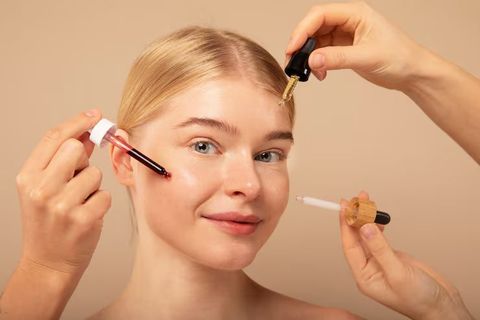
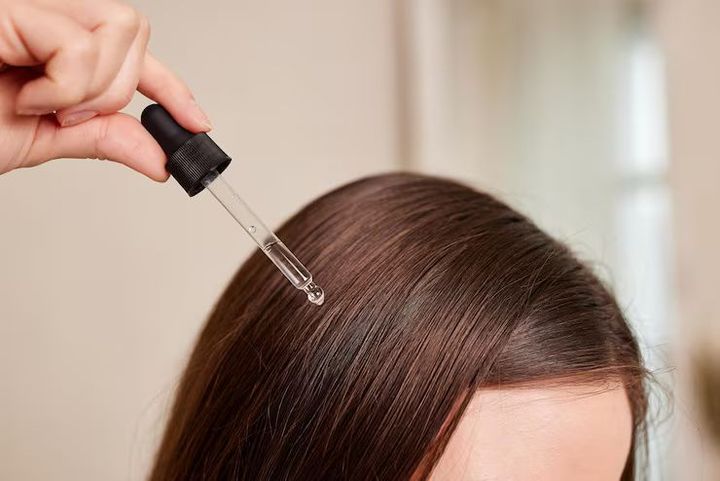
Hair peptide serum is a type of hair care formulation designed to support scalp health and improve hair strength using small protein fragments known as peptides. These peptides are chains of amino acids, which are the building blocks of proteins like keratin an essential component of hair structure.
The concept of peptide-based hair care emerged from advances in dermatology and cosmetic science. Researchers identified that certain peptides can signal the scalp to support healthier hair cycles. This led to the development of topical serums aimed at improving hair density, texture, and resilience.
Unlike traditional oils or conditioners, peptide serums focus on biological activity at the scalp level. They are typically lightweight, water-based, and designed to penetrate more effectively. Over time, they have gained attention in hair growth solutions and advanced scalp care routines.
Importance: Why Hair Peptide Serum Matters Today
Hair health has become a global concern due to stress, environmental exposure, hormonal changes, and lifestyle habits. Peptide serums are increasingly used as part of modern routines to address these issues in a targeted way.
Key Reasons for Growing Relevance
- Increasing hair thinning issues due to age, stress, or medical factors
- Greater focus on scalp health as the foundation of strong hair
- Rising demand for science-backed and dermatologically informed products
- Preference for non-invasive, topical solutions over clinical procedures
Common Problems Addressed
- Weak or brittle hair strands
- Reduced hair density
- Dry or imbalanced scalp
- Hair breakage caused by damage or styling
Comparison of Hair Care Approaches
Different hair care methods serve different purposes. Peptide serums offer a balanced approach between general nourishment and medical treatments.
Hair Care Comparison Table
| Feature | Traditional Oils | Peptide Serums | Medicated Treatments |
|---|---|---|---|
| Focus Area | Hair shaft | Scalp + follicles | Medical conditions |
| Absorption | Surface-level | Deep scalp penetration | Depends on formulation |
| Scientific Basis | Limited | Moderate to high | High |
| Usage Frequency | Daily/weekly | Daily or as directed | As prescribed |
| Targeted Action | General nourishment | Cellular-level signaling | Condition-specific |
This comparison highlights how peptide serums bridge the gap between traditional and medical solutions.
Recent Updates: Trends and Developments in 2025
The hair care industry has seen rapid innovation in peptide-based formulations. New technologies and research are shaping how these products are developed and used.
Key Trends
- 2025 – Multi-peptide blends: Formulations now combine multiple peptides to target different hair growth stages
- Late 2024 – AI-driven personalization: Tools analyze scalp conditions and recommend customized solutions
- 2025 – Clean formulations: Increased demand for products free from sulfates, parabens, and synthetic fragrances
- 2024–2025 – Dermatological research: Expanded studies on peptide interaction with follicles and scalp microbiome
- Hybrid products: Combination of peptides with biotin, niacinamide, and hyaluronic acid
Trend Growth Overview
| Year | Interest in Peptide Hair Care (Index) |
|---|---|
| 2022 | 40 |
| 2023 | 55 |
| 2024 | 70 |
| 2025 | 85 |
The data indicates steady growth in awareness and adoption of peptide-based hair care solutions.
Laws or Policies: Regulatory Considerations
Hair peptide serums are generally classified as cosmetic products in many regions, including India. However, they must comply with safety, labeling, and advertising regulations.
Key Regulatory Aspects
- Ingredient safety compliance under authorities like CDSCO
- Clear and transparent labeling of all ingredients
- Advertising claims must not be misleading or exaggerated
- Imported products must meet local regulatory standards
- Consumer protection laws apply to false or unverified claims
In some cases, products claiming to treat medical conditions may be regulated as drugs rather than cosmetics.
Tools and Resources: Helpful Platforms and Solutions
Various tools can help individuals understand and effectively use hair peptide serums. These resources support better decision-making and consistent routines.
Useful Tools
- Scalp analysis apps using AI or imaging technology
- Ingredient databases explaining cosmetic components
- Hair care tracking journals for monitoring progress
- Dermatology consultation platforms for expert advice
- Routine planners to manage application schedules
Example Routine Tracker Table
| Day | Serum Applied | Scalp Condition | Hair Texture | Notes |
|---|---|---|---|---|
| Monday | Yes | Normal | Smooth | No irritation |
| Wednesday | Yes | Slight dryness | Manageable | Adjust quantity |
| Friday | Yes | Improved | Softer | Positive progress |
These tools help maintain consistency and evaluate visible improvements over time.
FAQs: Common Questions About Hair Peptide Serum
What does a hair peptide serum do?
Hair peptide serum supports scalp health and may improve hair strength. It delivers amino acid-based compounds that interact with hair follicles.
How often should it be used?
Usage depends on the formulation. Many serums are applied once daily or a few times per week on a clean scalp.
Can it be used with other hair products?
Yes, peptide serums can be combined with shampoos, conditioners, and other treatments. They are typically part of a broader hair care routine.
Is it suitable for all hair types?
Most peptide serums are designed for various hair types. This includes straight, wavy, curly, and coily hair.
How long does it take to see changes?
Results vary depending on individual factors. Visible improvements may take several weeks to a few months.
Conclusion
Hair peptide serum represents a modern, science-driven approach to hair care. It focuses on improving scalp health and supporting hair at a biological level rather than just treating the surface.
While not a replacement for medical treatments, it serves as a complementary option for maintaining healthier hair. With ongoing research and innovation, peptide serums are expected to remain an important part of future hair care routines.