Halo Engagement Rings: Overview, Design, Trends, and Guidance
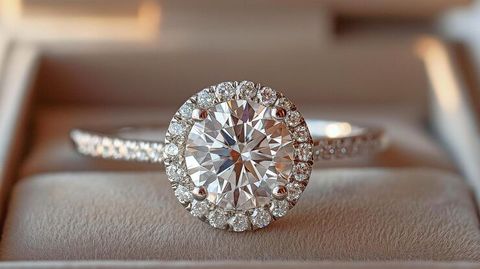
Halo engagement rings are a popular diamond ring style featuring a central gemstone surrounded by a circle, or “halo,” of smaller diamonds. This design enhances the appearance of size and brilliance while creating a balanced and symmetrical look.
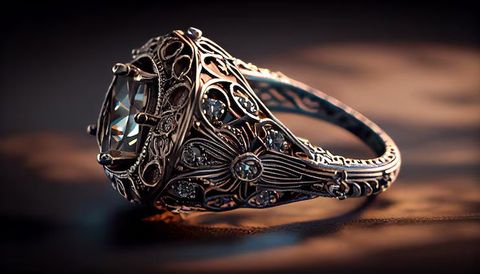
The halo setting has historical roots in vintage engagement rings, particularly during the Georgian and Art Deco periods. In modern times, the design gained renewed popularity after public figures like Kate Middleton showcased sapphire and diamond halo-style rings inspired by royal traditions.
The primary purpose of a halo setting is to enhance the appearance and structure of the ring. By surrounding the center stone with smaller diamonds, the design increases brilliance and visual size while offering additional protection.
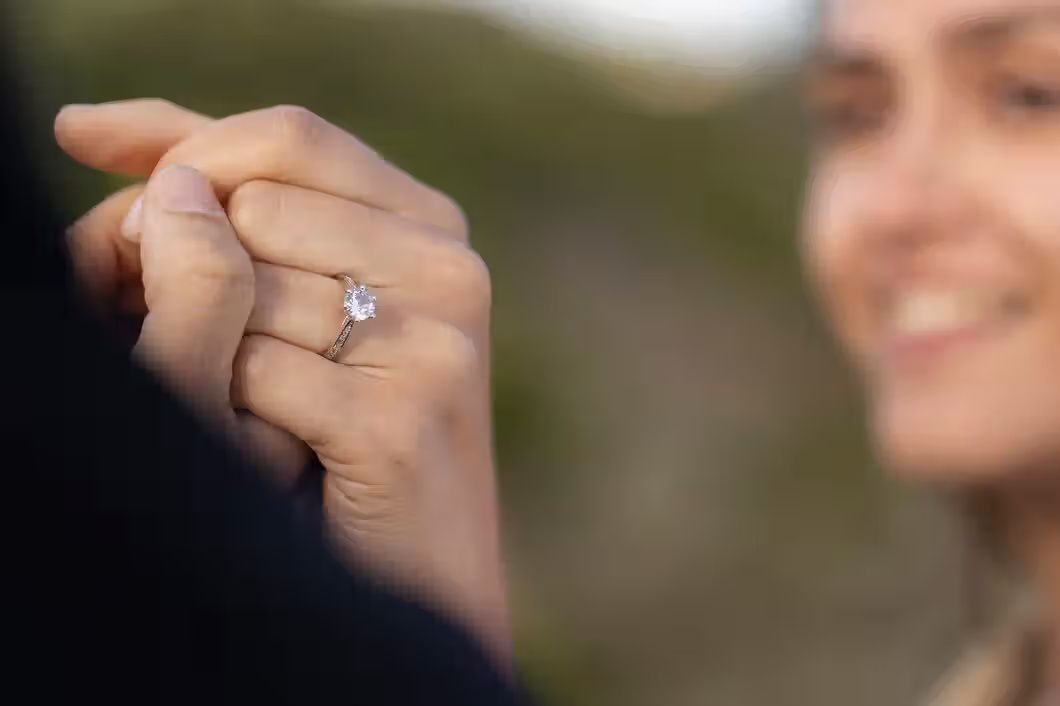
Key Functions of a Halo Setting
- Amplifies sparkle through surrounding accent stones
- Visually enlarges the center diamond
- Provides added structure and protection
Today, halo engagement rings are widely recognized for blending classic elegance with contemporary design.
Importance of Halo Engagement Rings
Halo settings remain relevant because they meet both aesthetic and practical preferences in modern jewellery design.
Key Benefits
- Enhanced brilliance: Surrounding diamonds reflect light toward the center stone
- Versatility: Works with round, oval, cushion, pear, emerald, and princess cuts
- Design flexibility: Available in single, double, hidden, and floral halo styles
- Structural support: Helps secure the central gemstone
Who It Affects
- Couples exploring engagement ring options
- Jewelry designers and gemologists
- Consumers researching diamond quality and settings
Problems It Solves
- Creates a larger visual appearance without increasing carat size
- Adds decorative detail to minimalistic bands
- Enhances the look of colored gemstones like sapphire, ruby, or emerald
Halo vs. Solitaire Comparison
| Feature | Halo Setting | Solitaire Setting |
|---|---|---|
| Visual Size Effect | Appears larger | True to center stone size |
| Sparkle Level | High (multiple stones) | Moderate (single stone) |
| Maintenance | Moderate | Lower |
| Design Complexity | Detailed | Minimal |
Recent Trends and Market Insights (2025)
Halo engagement rings continue evolving with changing consumer preferences and design innovations.
Key Trends
- Hidden halo designs: Subtle diamond circles beneath the center stone
- Oval and pear-shaped stones: Popular for elongating finger appearance
- Lab-grown diamonds: Increasing adoption globally
- Mixed metals: Combinations like white gold with rose gold accents
Industry insights in 2025 highlight growing demand for certification transparency and sustainable sourcing. Digital customization tools from major jewellery brands now allow users to preview halo designs virtually before purchase.
Laws and Policies Affecting Engagement Rings
Halo engagement rings are subject to jewelry regulations that ensure transparency and consumer protection.
Key Regulations in India
- Bureau of Indian Standards (BIS) hallmarking for gold purity
- Mandatory hallmarking rules implemented and expanded through 2024–2025
- Disclosure requirements for diamond authenticity
Global Regulatory Frameworks
- Kimberley Process Certification Scheme for ethical diamond sourcing
- Federal Trade Commission (FTC) jewelry guidelines in the United States
- Hallmarking standards in the United Kingdom
What These Regulations Cover
- Gold purity labeling (e.g., 18K, 22K)
- Disclosure of lab-grown vs. natural diamonds
- Accurate representation of gemstone quality
Consumers should verify certification documents before purchasing.
Tools and Resources for Buyers
Several tools help individuals understand halo engagement rings and make informed decisions.
Educational Resources
- Gemological Institute of America – Diamond grading and education
- Bureau of Indian Standards – Hallmark verification
- World Gold Council – Market insights and sustainability
Useful Tools
- Diamond size comparison charts
- Ring size measurement guides
- 3D ring customization previews
- Diamond clarity and carat calculators
Evaluation Checklist
- Center stone cut and symmetry
- Halo alignment and setting quality
- Metal type (platinum, white gold, yellow gold, rose gold)
- Certification documentation
- Prong and pavé stability
These resources support transparent and informed decision-making.
Frequently Asked Questions
What is the main advantage of a halo engagement ring?
It enhances brilliance and makes the center stone appear larger due to surrounding diamonds.
Are halo rings suitable for all diamond shapes?
Yes. They can be customized for various shapes including round, oval, cushion, pear, emerald, and princess cuts.
Do halo rings require more maintenance?
Yes. Multiple small stones may require periodic inspection and cleaning.
Are lab-grown diamonds used in halo rings?
Yes. Both natural and lab-grown diamonds are commonly used, with certification specifying origin.
Is a halo ring traditional or modern?
It combines both. The design is historically rooted but includes modern variations like hidden halos.
Conclusion
Halo engagement rings represent a blend of timeless design and modern innovation. By surrounding a central gemstone with smaller diamonds, the halo setting enhances brilliance, visual size, and overall elegance.
The style remains popular due to its versatility, adaptability to various gemstone shapes, and alignment with evolving trends. Developments in 2025, such as hidden halos, lab-grown diamonds, and mixed-metal designs, highlight its continued relevance.
Regulatory frameworks and certification standards ensure transparency and quality, while digital tools empower informed purchasing decisions. With proper understanding and verification, halo engagement rings remain a reliable and elegant choice in fine jewellery.