Healthcare & Hospital Furniture Guide: Basics, Benefits, and Selection Tips
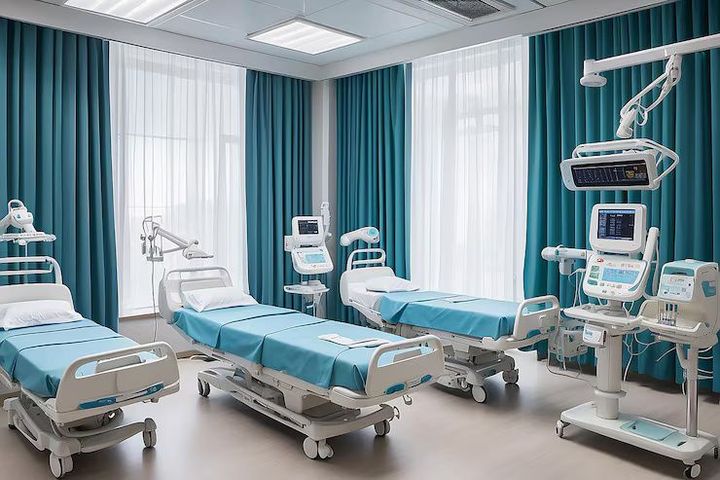
Healthcare and hospital furniture refers to specialized equipment designed to support medical care, patient comfort, and healthcare operations within hospitals, clinics, and medical facilities. Unlike standard furniture used in offices or homes, hospital furniture is built to meet strict hygiene, durability, and ergonomic requirements.
Healthcare and hospital furniture plays a vital role in supporting patient treatment, medical procedures, and overall facility management. These furnishings are specially designed to accommodate medical equipment, patient mobility, and strict infection control protocols.
The concept of healthcare furniture developed alongside modern healthcare systems. As hospitals evolved into advanced treatment centers, furniture adapted to meet the needs of medical professionals, patients, and caregivers. Today, it combines engineering, medical design, and ergonomic principles to improve safety and efficiency.
Common Types of Healthcare Furniture
Healthcare facilities use a wide range of specialized furniture, including:
- Adjustable hospital beds
- Patient examination tables
- Overbed tables
- Medical carts and trolleys
- Waiting room seating
- Nurse station desks
- Medical storage cabinets
- Patient recliners
Each type serves a specific purpose, ensuring efficiency for healthcare staff and comfort for patients.
Why Healthcare & Hospital Furniture Matters
Healthcare furniture is a critical component of modern healthcare infrastructure. Its design directly impacts patient experience, clinical workflows, and infection control measures.
Hospitals operate in high-pressure environments where safety and efficiency are essential. Properly designed furniture enables medical professionals to perform procedures effectively while maintaining organized and hygienic workspaces.
Key Factors Driving Importance
Several global trends are increasing the demand for advanced healthcare furniture:
- Increasing patient populations
- Aging demographics requiring long-term care
- Growth of specialized medical facilities
- Rising emphasis on patient-centered care
Practical Benefits in Healthcare Settings
Healthcare furniture helps address key operational challenges, including:
- Improving patient comfort during treatment
- Supporting mobility and rehabilitation
- Reducing strain on healthcare workers
- Enhancing sanitation and infection prevention
For example, ergonomic hospital beds allow easy adjustment for patients while reducing physical strain on nurses. Similarly, antimicrobial materials help minimize hospital-acquired infections.
Applications Beyond Hospitals
Healthcare furniture is widely used in various medical environments, such as:
- Diagnostic laboratories
- Outpatient clinics
- Rehabilitation centers
- Long-term care facilities
- Telehealth consultation rooms
These environments rely on specialized furniture to ensure safe and efficient care delivery.
Recent Updates and Trends in Healthcare Furniture
In 2025, healthcare furniture design is evolving to support infection control, digital integration, and patient comfort. Facility planners are increasingly adopting innovative solutions to meet modern healthcare demands.
Key Innovations
Several trends are shaping the future of healthcare furniture:
- Integration of smart technology in hospital beds
- Use of antimicrobial materials for hygiene
- Modular furniture systems for flexible layouts
- Ergonomic nurse stations to reduce fatigue
- Compatibility with telemedicine equipment
- Lightweight materials for improved mobility
Smart hospital beds can now monitor patient movement and alert staff to risks such as falls. These innovations improve patient safety and operational efficiency.
Focus on Patient Well-being and Sustainability
Healthcare facilities are also focusing on patient-centered design. Waiting areas and recovery rooms now feature calming colors, comfortable seating, and user-friendly layouts.
Sustainability is another growing trend. Hospitals are adopting eco-friendly materials and energy-efficient manufacturing processes to reduce environmental impact.
Laws, Regulations, and Healthcare Standards
Healthcare furniture must comply with strict safety and regulatory standards to ensure protection for patients, staff, and visitors. These regulations focus on safety, hygiene, and durability.
Major Regulatory Bodies
Different regions follow specific regulatory frameworks:
-
United States:
- Occupational Safety and Health Administration (OSHA)
- Food and Drug Administration (FDA)
- National Fire Protection Association (NFPA)
-
European Union:
- CE marking standards
- Medical Device Regulation (MDR)
-
India:
- Bureau of Indian Standards (BIS)
- Ministry of Health and Family Welfare
Key Compliance Requirements
Healthcare furniture must meet standards related to:
- Structural stability and durability
- Weight capacity
- Fire safety
- Infection control materials
- Ergonomic safety
Compliance ensures that furniture performs reliably in demanding medical environments.
Tools and Resources for Healthcare Facility Planning
Healthcare planners use various tools to optimize furniture placement and facility design. These tools help improve workflow efficiency and patient accessibility.
Common Planning Tools
- Healthcare facility design software
- CAD programs for space planning
- Infection control assessment tools
- Ergonomic risk assessment calculators
- Hospital workflow planning templates
These tools allow planners to simulate layouts, patient flow, and emergency access before implementation.
Healthcare Furniture Categories
| Furniture Type | Primary Function | Key Features |
|---|---|---|
| Hospital Beds | Patient care and recovery | Adjustable height, safety rails |
| Examination Tables | Medical procedures | Durable surfaces, ergonomic access |
| Medical Carts | Equipment transport | Mobility, storage compartments |
| Waiting Room Seating | Patient comfort | Durable, easy to sanitize |
| Nurse Station Desks | Clinical workspace | Storage, tech integration |
Facility Planning Overview
| Facility Area | Furniture Focus | Objective |
|---|---|---|
| Patient Rooms | Beds and monitoring units | Comfort and accessibility |
| Emergency Units | Mobile carts, exam tables | Rapid response capability |
| Waiting Areas | Seating, reception desks | Patient flow management |
| Nursing Stations | Workstations, storage | Clinical efficiency |
Frequently Asked Questions
What types of furniture are used in hospitals?
Hospitals use specialized furniture such as adjustable beds, examination tables, medical carts, nurse stations, and storage cabinets designed for healthcare environments.
Why is hospital furniture different from regular furniture?
Hospital furniture is designed to meet strict standards for hygiene, durability, and ergonomic safety. It supports medical equipment and infection control protocols.
How does healthcare furniture improve patient care?
It enhances patient comfort, supports mobility, and enables healthcare professionals to perform procedures efficiently and safely.
What materials are commonly used?
Common materials include stainless steel, antimicrobial surfaces, medical-grade plastics, and durable upholstery for easy cleaning.
How does furniture affect hospital workflow?
Proper furniture placement improves accessibility, organizes equipment, and allows smoother movement within clinical spaces.
Conclusion
Healthcare and hospital furniture is essential for modern medical environments. From patient beds to nurse workstations, each element contributes to safety, efficiency, and patient comfort.
As healthcare systems evolve, furniture design continues to adapt to challenges such as infection prevention and digital integration. Innovations in smart technology, ergonomic design, and sustainability highlight the importance of ongoing development.
Regulatory standards ensure safety and quality, while planning tools help optimize hospital layouts and workflows. Understanding healthcare furniture highlights its critical role in supporting effective and modern medical care.