Heat-Resistant Outdoor Dining Furniture: Complete Guide for Durable Patio Setup
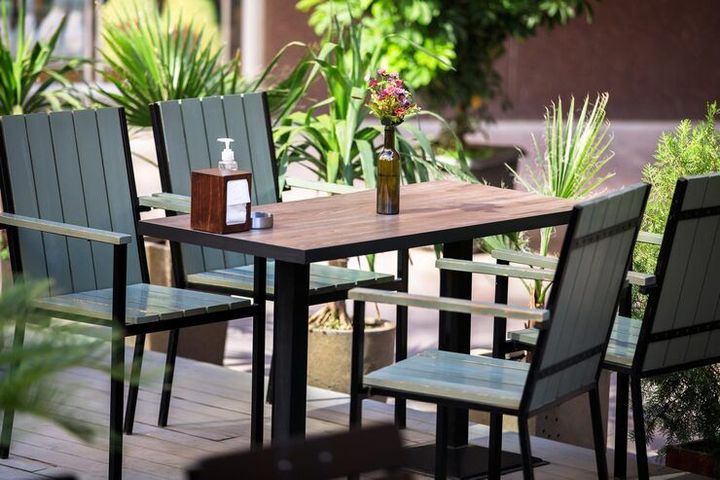
Outdoor dining spaces have become a common feature in residential patios, rooftop terraces, and hospitality environments. Heat-resistant outdoor dining furniture refers to tables, chairs, and seating structures designed to withstand prolonged exposure to sunlight, high temperatures, and changing weather conditions.
Traditional indoor furniture often deteriorates quickly when placed outside. Constant ultraviolet (UV) radiation, extreme heat, humidity, and rain can cause fading, cracking, and structural damage. Heat-resistant furniture materials and coatings are designed to address these environmental challenges .
These products are typically made using engineered materials that offer durability and temperature resistance. Common options include powder-coated aluminum, treated hardwood, synthetic rattan, stainless steel, and high-density polyethylene (HDPE). These materials help resist heat absorption, fading, and surface damage.
Outdoor dining furniture design has evolved alongside the rise of outdoor living spaces. Patios are now used for everyday meals and social gatherings. As a result, manufacturers focus on improving durability, comfort, and weather resistance.
Why Heat-Resistant Outdoor Dining Furniture Matters Today
Outdoor living has become a significant lifestyle trend across many regions. Residential homes, hospitality venues, and urban rooftops increasingly feature outdoor seating areas for regular use. This shift has increased the demand for durable furniture solutions.
Heat-resistant outdoor dining furniture helps solve several common challenges:
- Prevents material warping due to prolonged sunlight
- Reduces fading and discoloration
- Maintains structural stability in high temperatures
- Improves long-term usability
Climate conditions have also become more extreme in many areas. Higher temperatures and stronger UV radiation require furniture that can withstand environmental stress.
Who Benefits from Heat-Resistant Furniture
This type of furniture is useful across multiple sectors:
- Homeowners designing patios and gardens
- Restaurants and cafés with outdoor seating
- Hotels and resorts with poolside dining
- Property developers building rooftop spaces
- Urban planners designing public seating areas
Durable furniture also supports sustainability goals. Longer-lasting materials reduce waste and minimize the need for frequent replacements.
Key Performance Features
High-performance outdoor furniture typically includes:
- UV-resistant coatings
- Rust-resistant metal finishes
- Weather-resistant polymers
- Moisture-resistant wood treatments
These features enhance durability while reducing maintenance requirements.
Recent Updates and Trends in Outdoor Furniture Design
In recent years, outdoor furniture design has shifted toward sustainability and performance. Industry reports in 2025 highlight increased use of recycled materials and eco-friendly production methods.
Manufacturers are also adopting advanced UV-resistant coatings. These coatings help protect surfaces from fading and degradation. Heat-reflective finishes are another innovation that reduces surface temperatures in hot weather.
Key Trends
- Modular outdoor dining furniture systems
- Lightweight yet durable aluminum frames
- Recycled composite materials
- Minimalist and modern patio styles
- Sustainable manufacturing practices
Smart outdoor furniture is also gaining attention. Some designs now include integrated lighting, charging ports, and modular configurations.
Climate resilience has become a major priority. Furniture is now tested for UV exposure, temperature changes, and humidity to ensure long-term performance.
Regulations, Standards, and Policies Affecting Outdoor Furniture
Outdoor furniture manufacturing is influenced by various safety and environmental regulations. These rules ensure product safety and promote sustainable practices.
Common regulatory areas include:
- Chemical safety in coatings and finishes
- Fire resistance standards
- Environmental impact of materials
- Recycling and sustainability guidelines
Regional Compliance Examples
- In the United States, guidelines from environmental authorities regulate chemical usage and emissions.
- In the European Union, REACH regulations restrict harmful substances and ensure safe material use.
Certification programs also support responsible manufacturing:
- Forest Stewardship Council (FSC) certification
- ISO environmental standards
- Eco-label programs
Local building codes may also apply, especially in commercial outdoor dining environments. These regulations help ensure safety and accessibility.
Tools and Resources for Planning Outdoor Dining Spaces
Digital tools can simplify the planning of outdoor dining areas. These tools help users visualize layouts and select suitable materials.
Useful resources include:
- Patio layout planning software
- Outdoor design visualization tools
- UV exposure calculators
- Material comparison databases
- Sustainability certification directories
Weather monitoring tools are also helpful. They allow users to choose materials based on local climate conditions.
Material Comparison Table
| Material Type | Heat Resistance | Durability | Maintenance Level |
|---|---|---|---|
| Aluminum | High | High | Low |
| Teak Wood | Moderate–High | High | Moderate |
| HDPE Plastic | High | High | Low |
| Stainless Steel | High | Very High | Low |
| Synthetic Rattan | Moderate | Moderate | Low |
Each material offers different benefits depending on climate and usage.
Patio Spacing Guidelines
| Furniture Element | Recommended Space |
|---|---|
| Dining chair clearance | 24–30 inches |
| Table walkway space | 36 inches |
| Dining area per seat | 9–12 square feet |
Proper spacing improves comfort and accessibility in outdoor dining setups.
Frequently Asked Questions
What makes outdoor dining furniture heat-resistant?
Heat-resistant furniture uses materials and coatings designed to withstand high temperatures and prolonged sunlight. Examples include aluminum, treated wood, and UV-resistant polymers.
Which materials perform best in hot climates?
Materials such as aluminum, stainless steel, HDPE plastic, and teak wood perform well because they resist heat damage and maintain stability.
Does heat-resistant furniture also resist UV damage?
Yes, many heat-resistant materials include UV-protective coatings. These coatings help prevent fading and surface degradation.
Why is UV protection important?
UV radiation can weaken materials and reduce their lifespan. Protective coatings help maintain both durability and appearance.
How does climate influence furniture design?
Climate affects material choice, coatings, and structural design. Hot and sunny regions require furniture with strong heat and weather resistance.
Conclusion
Heat-resistant outdoor dining furniture plays a key role in creating durable and functional outdoor spaces. As outdoor living continues to grow in popularity, furniture must withstand harsh environmental conditions such as heat, sunlight, and humidity.
Advancements in sustainable materials, UV-resistant coatings, and modular designs are shaping the future of outdoor furniture. At the same time, regulations and standards ensure safe and responsible production.
Whether for residential patios, commercial venues, or rooftop spaces, heat-resistant furniture supports long-term usability and reliability. Understanding materials, trends, and planning tools helps create outdoor dining environments that remain practical and resilient over time.