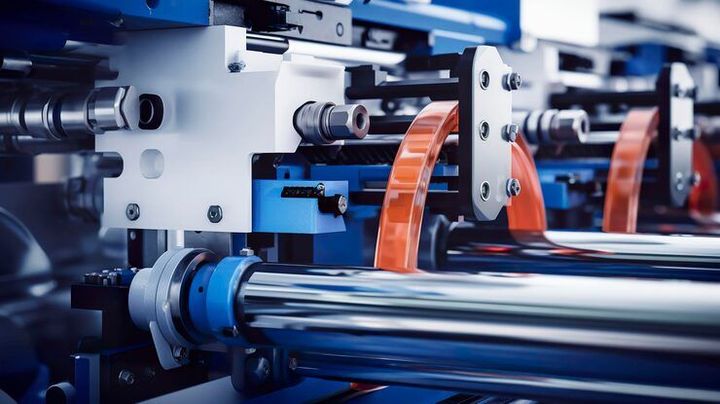
How Extrusion Machines Work: Key Processes and Practical Insights
Extrusion machines play an important role in modern manufacturing. They help industries produce long and continuous shapes from different materials, including plastics, metals, rubber, and food products. From water pipes and electrical cables to automotive parts and packaging materials, extrusion technology supports many products used every day.
Understanding how extrusion machines work helps manufacturers improve production quality, reduce waste, and increase operational efficiency. As industrial automation continues to grow, extrusion systems are becoming more advanced with smart controls and precision engineering.
What Is an Extrusion Machine?
An extrusion machine is industrial equipment that forces raw material through a specially designed die to create a fixed cross-sectional shape. The process is continuous, making it highly efficient for large-scale manufacturing.
The main goal of extrusion is to transform solid or semi-solid material into a finished product with consistent dimensions. The method is widely used because it supports high-volume production while maintaining uniform quality.
Industries such as construction, automotive, aerospace, packaging, healthcare, and electronics rely heavily on extrusion manufacturing systems.
Main Components of an Extrusion Machine
Hopper
The hopper stores raw materials before they enter the machine. In plastic extrusion, the hopper usually contains polymer pellets or granules.
Barrel and Screw
The barrel houses a rotating screw that moves the material forward. As the screw rotates, it compresses, mixes, and heats the material.
The screw design directly affects production efficiency and product quality. Advanced industrial extrusion equipment often uses specially engineered screws for different materials.
Heating System
Heating elements raise the temperature of the material to the required processing level. Accurate temperature control helps maintain consistent output and reduces defects.
Die
The die shapes the softened material into the desired profile. Different die designs produce pipes, tubes, sheets, films, wires, and custom industrial components.
Cooling System
After leaving the die, the product passes through a cooling stage using air or water. This helps the material retain its shape and dimensional accuracy.
Cutting and Collection Unit
The final product is cut into specific lengths or wound into rolls depending on the application.
Step-by-Step Extrusion Process
Material Feeding
Raw materials are loaded into the hopper. Many modern production facilities use automated feeding systems to improve manufacturing efficiency.
Melting and Mixing
The rotating screw moves the material through the heated barrel. Friction and external heat soften the material while ensuring uniform mixing.
Compression
As the material moves forward, pressure builds inside the barrel. This pressure removes trapped air and creates a smooth flow toward the die.
Shaping Through the Die
The material is pushed through the die opening, taking on the required shape. This stage determines the final dimensions and surface quality.
Cooling and Solidification
The shaped material enters a cooling system where it hardens while maintaining its profile.
Finishing Operations
The product may be cut, trimmed, inspected, or prepared for additional manufacturing processes.
Types of Extrusion Machines
Plastic Extrusion Machines
These machines produce products such as pipes, window frames, cable insulation, and packaging films. Plastic extrusion technology remains one of the largest sectors in industrial manufacturing.
Metal Extrusion Machines
Metal extrusion is commonly used to create aluminum profiles, structural components, and automotive parts. High pressure and controlled temperatures ensure strong and durable products.
Rubber Extrusion Machines
Rubber extrusion supports the production of seals, gaskets, hoses, and industrial tubing.
Food Extrusion Machines
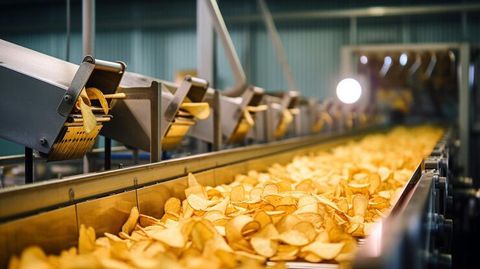
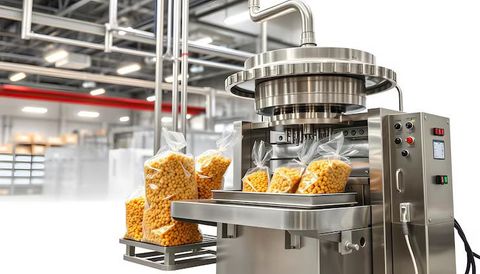
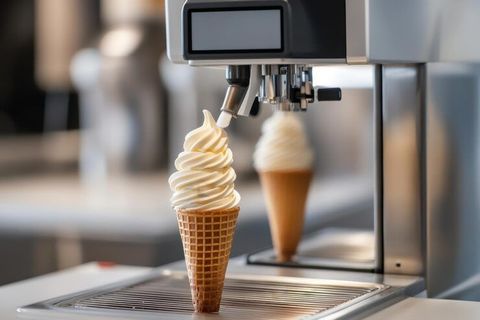
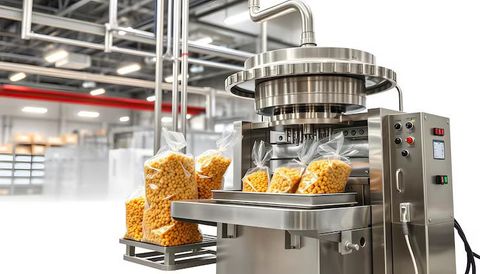
The food industry uses extrusion systems to manufacture snacks, breakfast cereals, pasta, and pet food with consistent texture and shape.
Practical Benefits of Extrusion Technology
Extrusion machines provide several advantages for manufacturers around the world.
- High production speed
- Consistent product quality
- Reduced material waste
- Improved manufacturing automation
- Flexible design possibilities
- Better operational efficiency
Many companies integrate industrial process control systems to monitor temperature, pressure, and production data in real time. This helps improve quality assurance and predictive maintenance.
Modern Trends in Extrusion Manufacturing
Smart factories are changing the way extrusion machines operate. Digital monitoring systems, artificial intelligence, and Industrial Internet of Things (IIoT) technologies help manufacturers optimize production.
Industry research suggests that automated manufacturing systems can significantly improve equipment reliability and reduce unexpected downtime. Data-driven process optimization is becoming a key factor for industrial productivity.
Energy-efficient extrusion systems are also gaining attention because they help reduce power consumption while supporting sustainable manufacturing practices.
Another growing trend is the use of recycled materials. Advanced extrusion technology allows manufacturers to process recycled plastics and other materials while maintaining product performance.
Common Industrial Applications
Extrusion machines support a wide range of industries.
Construction
- Water pipes
- Window profiles
- Insulation materials
Automotive
- Interior trim parts
- Cable coverings
- Lightweight structural components
Electronics
- Wire insulation
- Protective tubing
- Cable management systems
Packaging
- Plastic films
- Flexible containers
- Protective wrapping materials
Medical Manufacturing
- Medical tubing
- Laboratory components
- Precision polymer products
Key Factors That Affect Extrusion Quality
Several factors influence the final product.
- Material selection
- Barrel temperature
- Screw speed
- Die design
- Cooling rate
- Pressure control
Proper monitoring and maintenance help manufacturers avoid defects such as uneven surfaces, air bubbles, or dimensional variations.
Conclusion
Extrusion machines are a foundation of modern industrial manufacturing. Their ability to produce continuous, high-quality products makes them valuable across many industries. From plastic pipes and aluminum profiles to food products and medical components, extrusion technology supports countless applications.
As automation and smart manufacturing continue to advance, extrusion systems are becoming more efficient, accurate, and sustainable. Understanding the key processes and practical insights behind extrusion machines helps businesses and industry professionals improve productivity while maintaining consistent product quality.