How Industrial Machines Work: Parts, Controls & Production Methods
Industrial machines transform materials into useful products.
They perform tasks such as cutting, shaping, lifting, mixing, assembling, packaging, and inspecting materials. Some use mechanical systems, while others combine electrical power, computer controls, sensors, and automation. Understanding their parts and working principles explains how factories turn raw materials into finished goods.
Keypoints
Industrial machines convert raw materials into components through mechanical and automated processes.
Motors, drives, sensors, actuators, and controllers coordinate movement, force, speed, and accuracy.
Production methods include machining, forming, joining, molding, assembly, and additive manufacturing processes.
Maintenance, training, and safety procedures support reliable equipment performance during industrial production.
Why Industrial Machines Matter
Industrial machines help businesses produce goods consistently and at a scale that manual work alone may not achieve. They repeat operations, handle heavy loads, maintain dimensions, and perform tasks that may be difficult or unsafe for people.
Machines affect production speed, energy use, quality, and safety. Selection depends on material, product design, volume, skills, and environment.
Main Parts of Industrial Machines
Although construction varies, many industrial machines share several basic components.
Power Source and Drive System
Electric motors are common power sources, while some equipment uses hydraulic, pneumatic, or combustion power. A drive system transfers and controls this energy to create movement.
Gears, belts, chains, shafts, and couplings transmit motion. Variable-speed drives can adjust motor speed to suit a task.
Frame and Mechanical Components
The frame supports the machine and keeps parts aligned. It must withstand operating forces, vibration, and material weight. Bearings, guides, screws, rollers, and linkages support movement and reduce friction.
Tools and Working Units
The working unit performs the main task. Examples include cutting tools on a milling machine, rollers in a forming line, blades in a mixer, and gripping tools on a robot. Tool choice depends on material, process, required finish, and machine capacity.
Sensors and Actuators
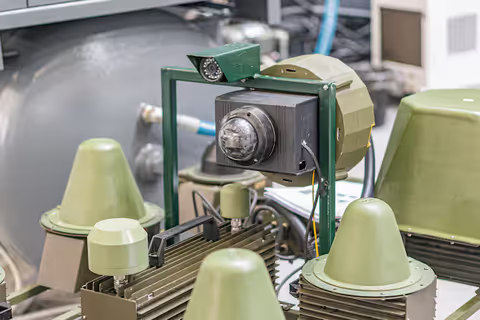
Sensors measure position, temperature, pressure, speed, or material presence. The control system uses this information to monitor operations. Actuators produce actions, such as moving a valve, positioning a component, or operating a clamp.
How Industrial Machines Work
Most machines follow a sequence that converts an input into an output. An operator or automated system loads material and selects settings. The power and drive systems move the working parts, which act on the material using the selected process.
Sensors check whether an operation remains within set limits. If an abnormal condition appears, controls may adjust the process, issue an alert, or stop the equipment. The finished item is then removed for inspection, storage, or another production stage.
A typical cycle includes:
Input: Raw material, components, energy, and instructions enter the process.
Setup: Tools, fixtures, speed, temperature, or other settings are selected.
Operation: The machine performs the required action on the material.
Inspection: Measurements or sensors check dimensions, quality, or process conditions.
Output: Finished parts move to the next stage, packaging, or storage.
Factories often connect machines into production lines.
Industrial Machine Controls and Automation
Controls determine how a machine starts, stops, moves, and responds to changing conditions. Basic equipment may use switches, buttons, and manual levers. Advanced machines use programmable systems to coordinate operations.
Programmable Logic Controllers
A programmable logic controller (PLC) is an industrial computer designed to control equipment. It receives sensor signals, follows programmed logic, and sends commands to motors, valves, and actuators. PLCs are common in packaging lines, conveyors, pumps, and assembly systems.
Computer Numerical Control
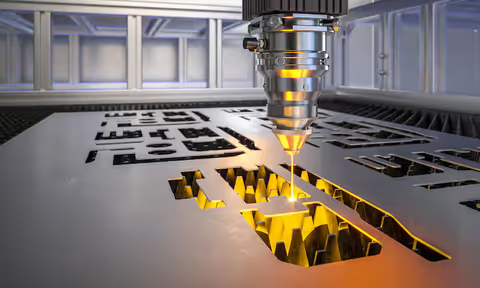
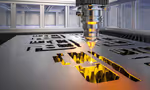
Computer numerical control (CNC) systems direct machine movements using programmed instructions. CNC machines are used for milling, turning, drilling, and cutting. They support repeatable dimensions, although accuracy also depends on machine condition, tooling, setup, and inspection.
Robotics and Automated Systems
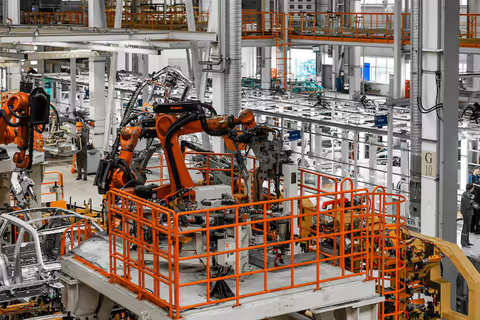
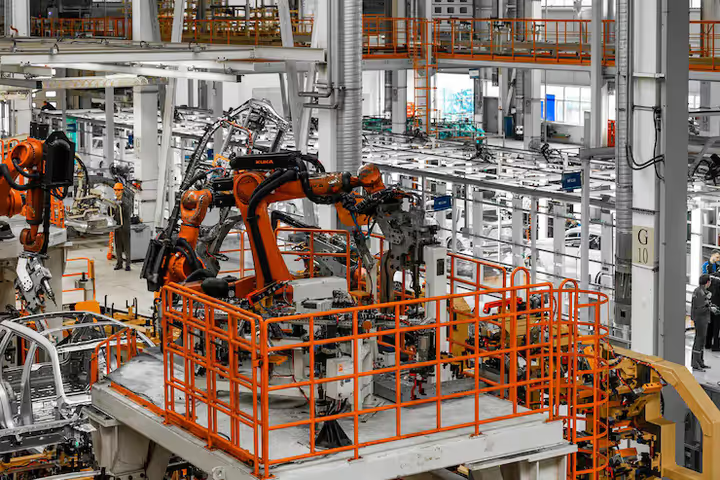
Industrial robots perform repetitive tasks such as welding, material handling, painting, and assembly. They may work in guarded cells or alongside other automated equipment. Safety systems, defined work zones, and operator training are essential.
Common Industrial Production Methods
Different machines support different manufacturing processes. The choice depends on material properties, shape, tolerance, cost, and production quantity.
| Production method | How it works | Common equipment |
|---|---|---|
| Machining | Removes material to create a shape | Lathes, mills, drills |
| Forming | Changes shape using force | Presses, rollers |
| Joining | Connects separate parts | Welding and fastening machines |
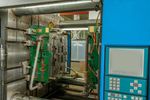
| Molding and casting | Forms material inside a mold | Molding and casting equipment |
| Additive manufacturing | Builds objects layer by layer | Industrial 3D printers |
| Assembly | Combines parts into a product | Assembly lines and robotic cells |
A product may pass through several methods. A metal component, for example, may be cast, machined, inspected, and then assembled.
Industrial Applications
Industrial machines serve many sectors. Automotive plants use presses, welding robots, CNC equipment, and assembly lines. Food manufacturers use mixers, filling machines, conveyors, and packaging systems. Chemical facilities rely on pumps, compressors, reactors, and process-control equipment.
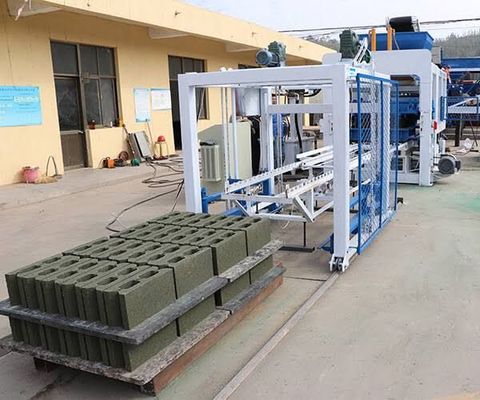
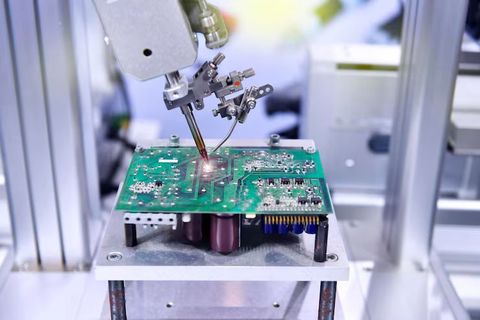
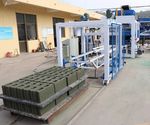
Construction-material producers use machines to crush, mix, shape, and move materials. Pharmaceutical and electronics manufacturers use specialised equipment for controlled processing, precise assembly, and inspection. Requirements vary with each product and industry.
Efficiency, Maintenance, and Workplace Safety
Performance depends on correct setup, suitable operating conditions, and regular maintenance. Operators may monitor output, cycle time, energy use, temperature, vibration, and rejected products to identify problems.
Preventive maintenance includes inspections, lubrication, cleaning, alignment checks, and replacement of worn components according to manufacturer guidance. Sensors and maintenance software can identify changes that need attention, but they do not replace competent inspection.
Safety measures include machine guards, emergency stops, lockout procedures, clear instructions, and appropriate protective equipment. Workers need training before operating or servicing equipment. Maintenance must follow site procedures and safely isolate hazardous energy.
Frequently Asked Questions
What are industrial machines used for?
They perform tasks such as cutting, shaping, mixing, lifting, assembling, and packaging materials.
What is the difference between manual and automated machines?
Manual machines depend more on direct operator control. Automated machines use programmed controls, sensors, and actuators to carry out some or all operations.
What is the role of a PLC?
A PLC reads inputs, processes instructions, and controls equipment such as motors, valves, and conveyors.
How can machine performance be improved?
Correct setup, operator training, preventive maintenance, suitable tooling, and process monitoring support consistent performance.
Conclusion
Industrial machines combine power systems, mechanical parts, tools, and controls to perform production tasks. Understanding how these components work together helps businesses compare equipment and processes. Proper maintenance, safe procedures, and trained workers remain essential for reliable production.