How Road Milling Machines Work: Simple Explanation
Roads naturally wear out after years of heavy traffic, changing weather, and constant use. Before a new asphalt layer can be applied, the damaged surface often needs to be removed. This is where a road milling machine becomes important.
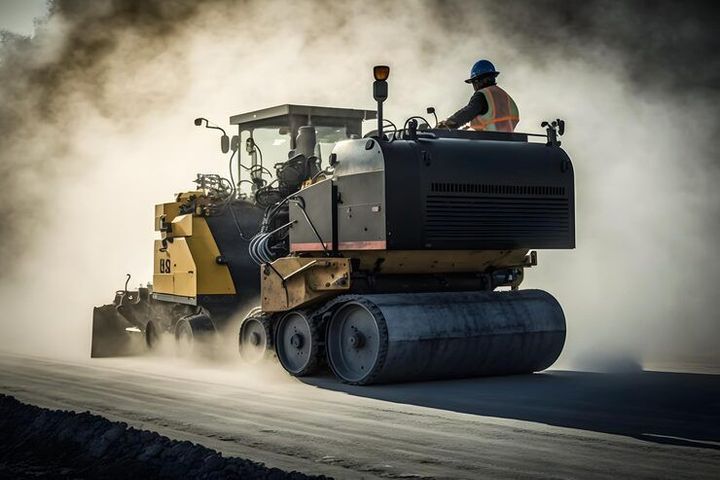
A road milling machine is a powerful piece of road construction machinery designed to remove the top layer of asphalt or concrete. Instead of digging up the entire road, it carefully cuts away only the damaged section. This process is known as the asphalt milling process or cold milling.
Modern infrastructure projects around the world rely on pavement milling equipment because it improves road quality while reducing material waste.
Why Is Road Milling Important?
Road milling helps create a smooth and stable surface before resurfacing. It also allows engineers to maintain proper road height and improve drainage systems.
Some major advantages include:
- Extending pavement life
- Improving driving safety
- Reducing road maintenance delays
- Recycling old asphalt materials
- Supporting sustainable infrastructure development
Many transportation agencies now focus on pavement rehabilitation because it lowers environmental impact while improving long-term road performance.
Main Parts of a Road Milling Machine
Cutting Drum
The cutting drum is the heart of the machine. It is a large rotating cylinder fitted with strong carbide cutting teeth. As the drum spins, it grinds and removes the old road surface.
Conveyor Belt
After the material is cut, a conveyor belt carries the milled asphalt into waiting trucks. This keeps the work area clean and allows the old material to be reused.
Engine and Hydraulic System
A high-performance engine powers the entire machine. The hydraulic system controls the movement of the cutting drum, steering, and conveyor operations.
Depth Control System
Advanced pavement milling equipment includes digital sensors that help operators maintain accurate cutting depth. This creates an even road surface for the next construction stage.
How Does the Milling Process Work?
Step 1: Surface Inspection
Engineers inspect the road and determine how much material needs to be removed. They measure pavement damage and mark the work area.
Step 2: Machine Setup
The operator adjusts the cutting depth based on project requirements. Modern cold milling machines use automated systems for better precision.
Step 3: Surface Removal
The rotating drum cuts through the asphalt while the machine slowly moves forward. The damaged material breaks into small pieces.
Step 4: Material Collection
The conveyor system transfers the removed asphalt into trucks. Much of this material can later be processed into recycled asphalt pavement.
Step 5: Surface Preparation
Once milling is complete, the road surface is cleaned and prepared for a fresh asphalt layer or other repair work.
What Happens to the Removed Asphalt?
One of the biggest advantages of the asphalt milling process is recycling.
The removed material is often crushed and mixed with new asphalt to create fresh pavement. This reduces the need for raw materials and supports environmentally responsible construction practices.
Industry reports suggest that recycled asphalt pavement is one of the most reused construction materials worldwide, helping reduce landfill waste and conserve natural resources.
Modern Technology in Road Milling Machines
Technology continues to improve the efficiency of highway maintenance equipment.
Many advanced machines now include:
- GPS guidance systems
- Automated grade control
- Real-time monitoring sensors
- Fuel-efficient engines
- Smart machine diagnostics
These innovations improve accuracy, reduce operating errors, and help large infrastructure projects stay on schedule.
Digital construction technology is becoming an important trend across global road maintenance operations.
Factors That Affect Milling Performance
Several conditions influence how well a road milling machine performs.
Road Material
Concrete and asphalt require different cutting approaches because of their strength and composition.
Cutting Depth
Deeper cuts require more power and can slow production.
Machine Speed
Operators must balance speed with cutting quality to avoid uneven surfaces.
Weather Conditions
Extreme heat, cold, or heavy rain may affect road maintenance activities and equipment efficiency.
Proper planning helps achieve better results while protecting both workers and machinery.
Safety During Road Milling Operations
Safety is a critical part of every road construction project.
Operators and work crews typically follow strict safety procedures, including:
- Wearing protective equipment
- Managing dust and debris
- Controlling traffic around work zones
- Performing regular equipment inspections
- Monitoring machine performance
Modern road construction machinery also includes advanced safety features that help reduce workplace risks.
Future Trends in Pavement Milling
The future of pavement rehabilitation is closely connected with automation and sustainability.
Construction companies are increasingly using intelligent machine systems that collect real-time data and improve project accuracy. Electric and hybrid equipment technologies are also attracting attention as industries focus on reducing emissions.
At the same time, recycling technologies continue to advance, making road maintenance more resource-efficient.
As transportation networks grow, road milling machines will remain an essential part of maintaining highways, city streets, airports, and industrial facilities around the world.
Final Thoughts
Understanding how road milling machines work is easier when the process is viewed step by step. These powerful machines remove damaged pavement, prepare roads for resurfacing, and support sustainable construction by recycling old asphalt.
With advanced technology, precision controls, and environmentally friendly practices, modern pavement milling equipment plays a major role in improving transportation infrastructure. As global road networks continue to expand, efficient highway maintenance equipment will remain a key part of building safer and longer-lasting roads.