Solar energy has become one of the most widely adopted renewable energy solutions across the world. Installing solar panels allows homes, businesses, and institutions to harness energy directly from the sun. Unlike fossil fuels, solar power is clean, renewable, and sustainable.
The process of installation, however, requires careful planning, technical knowledge, and awareness of both environmental and electrical safety standards. This guide outlines the essential steps, professional advice, and best practices for installing solar panels effectively.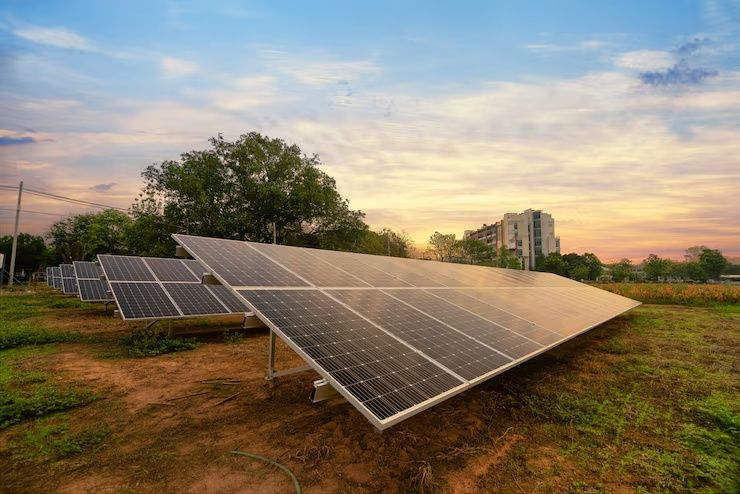
Importance of Proper Installation
Correct installation ensures:
-
Efficiency – Panels positioned at the right angle capture maximum sunlight.
-
Safety – Proper wiring and grounding prevent electrical hazards.
-
Durability – Secure mounting protects panels against strong winds, heavy rain, or dust.
-
Compliance – Meeting legal standards ensures smooth integration into the power grid.
For households, industries, and institutions, the benefits go beyond cost savings: solar energy contributes to environmental protection, energy independence, and long-term sustainability.
Recent Updates in Solar Panel Installation (2024–2025)
| Year | Update | Impact |
|---|---|---|
| 2024 | Rise in bifacial solar panels | Panels capture sunlight from both sides, increasing efficiency. |
| 2024 | Growth of AI-driven monitoring tools | Real-time performance tracking helps optimize solar output. |
| 2025 | Expansion of smart inverters | Improves grid integration and energy storage compatibility. |
| 2025 | Adoption of lightweight flexible solar panels | Easier installation on diverse rooftops and portable structures. |
These innovations show that solar installation is not static—it evolves with technology to make systems safer, more efficient, and accessible.
Steps for Solar Panel Installation
Site Assessment
-
Evaluate roof strength, orientation, and shading.
-
Use digital tools to calculate sunlight hours per day.
System Design
-
Choose between grid-tied, off-grid, or hybrid systems.
-
Plan layout for optimal sun exposure and minimal shading.
Mounting Structure Setup
-
Fix mounting frames securely with weather-resistant fasteners.
-
Adjust tilt angle according to latitude for maximum energy capture.
Panel Installation
-
Place panels on mounts and tighten bolts.
-
Ensure proper alignment for both aesthetics and efficiency.
Wiring and Connections
-
Connect panels in series or parallel depending on system voltage needs.
-
Use professional-grade cables and ensure proper insulation.
Inverter and Battery Integration
-
Install inverters to convert DC power into usable AC power.
-
Optional storage systems (batteries) can provide backup power.
Safety and Final Checks
-
Test voltage output with a multimeter.
-
Verify grounding to prevent electrical risks.
-
Conduct inspection for compliance with local energy codes.
Tricks and Professional Advice
-
Optimal Tilt Angle: For most locations, tilt panels at an angle close to the latitude.
-
Avoid Shading: Even a small shadow on one panel can reduce overall output.
-
Use Quality Wiring: Poor cables can reduce efficiency and create hazards.
-
Plan for Maintenance: Leave space around panels for easy cleaning and repairs.
-
Weather Protection: Consider wind load and waterproofing in regions with extreme weather.
Laws and Policies Affecting Solar Installation
Different countries have frameworks guiding solar panel installation:
-
Building Codes – Ensure structural safety when mounting panels on rooftops.
-
Electrical Safety Standards – Govern wiring, inverters, and grid connections.
-
Environmental Regulations – Prevent damage during installation in protected zones.
-
Renewable Energy Policies – Some governments encourage solar adoption with tax credits or incentives.
In India, for example, the Ministry of New and Renewable Energy (MNRE) regulates solar projects, while in the U.S., the National Electrical Code (NEC) provides standards for safe installations.
Tools and Resources for Solar Panel Installation
-
PV System Design Software – Tools like PVsyst or HelioScope simulate solar efficiency.
-
Solar Pathfinders – Devices to measure sun exposure and shading patterns.
-
Digital Multimeters – Essential for testing electrical output.
-
Online Training Modules – Institutions like NREL (U.S.) and MNRE (India) provide solar installation guidelines.
-
Mobile Apps – Apps such as SolarEdge Monitor or Sunseeker assist in tracking system performance.
Practical Graph: Solar Output vs. Tilt Angle
| Tilt Angle | Average Efficiency Gain (%) |
|---|---|
| 0° (Flat) | 65–70% |
| 15–20° | 80–85% |
| 25–30° | 90–95% |
| 35–40° | Peak for mid-latitude regions |
This shows why tilt adjustment is one of the most critical aspects of solar panel installation.
FAQs on Solar Panel Installation
Do solar panels work on cloudy days?
Yes, though efficiency decreases. Panels still capture diffused sunlight.
Can I install solar panels myself?
Small off-grid systems may be DIY-friendly, but large systems require professional installation for safety and compliance.
How long does it take to install solar panels?
Typically between 1–3 days, depending on system size and roof complexity.
What maintenance is required?
Regular cleaning, visual inspections, and occasional inverter checks ensure long-term efficiency.
Are permits required for solar installation?
Yes, most regions require permits to meet building and electrical standards before grid connection.
Conclusion
Installing solar panels is not just about placing panels on a roof—it requires planning, technical knowledge, and safety considerations. By following professional advice, using the right tools, and staying updated with regulations, individuals and organizations can maximize efficiency and ensure safe, long-lasting solar systems.