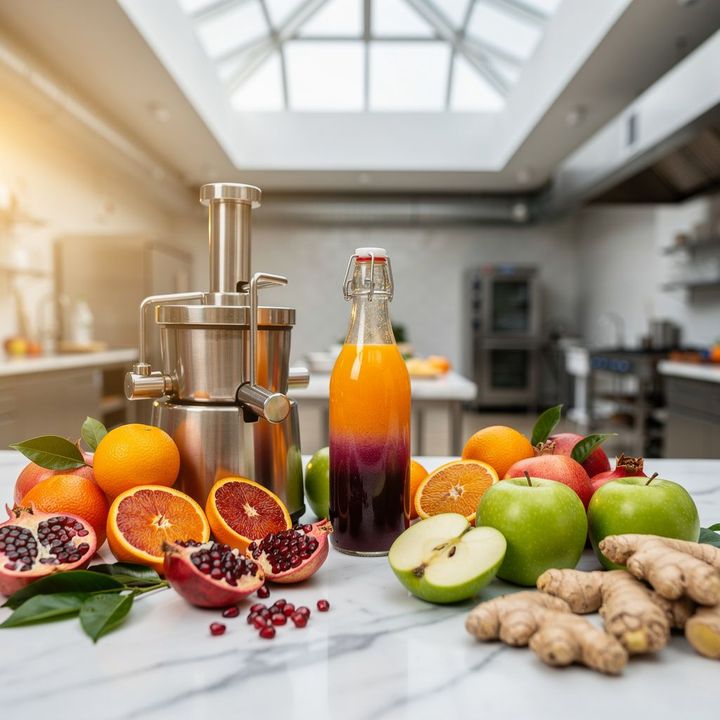
How to Start a Fruit Juice Business
Learn the essential steps to launch your own fruit juice business, from planning and licensing to sourcing ingredients and building customer relationships.
How to Start a Fruit Juice Business: A Complete Guide
Starting a fruit juice business offers an exciting opportunity to enter the beverage industry with a product that appeals to health-conscious consumers. Whether you dream of opening a juice bar, launching a production facility, or selling wholesale to retailers, understanding the fundamentals of this business is essential. This guide walks you through the key steps to establish your juice business, from initial planning through operational launch.
##HERO_IMG##Understanding the Fruit Juice Business Landscape
The fruit juice industry encompasses various business models, each with different requirements and market opportunities. A juice business can range from a small home-based operation producing fresh juice to a larger commercial facility distributing to multiple retail locations. Understanding your chosen market segment helps you align your resources and strategies appropriately.
Consumer demand for fresh, natural juices continues to grow as people seek healthier beverage options. This trend creates opportunities for entrepreneurs willing to invest in quality products and customer service. However, success requires more than just squeezing fruit—it demands business acumen, regulatory knowledge, and operational discipline.
Key Benefits and Important Considerations
Starting a juice business offers several advantages. You're entering a market with consistent demand, the potential for high margins on fresh products, and opportunities for product innovation through unique flavor combinations. Additionally, a juice business can scale gradually, allowing you to test your concept before expanding significantly.
However, important limitations exist. Fruit juice businesses face challenges including seasonal fruit availability, perishability of products, strict food safety regulations, and competition from established brands. Initial startup costs for equipment and licensing can be substantial, and maintaining consistent quality requires careful sourcing and production management.
Types of Fruit Juice Business Models
Several established models exist within the juice business sector:
- Juice Bar: A retail location where customers purchase fresh juices on-site, often with additional smoothie or food offerings
- Mobile Juice Cart: A portable operation serving customers at farmers markets, events, or high-traffic locations
- Wholesale Production: Manufacturing juice for distribution to restaurants, cafes, and retail stores
- Bottled Juice Brand: Producing shelf-stable or refrigerated juice for retail distribution
- Cold-Pressed Juice: Specializing in high-pressure processed juice marketed as premium and nutrient-dense
- Organic Juice Producer: Focusing on certified organic fruit sourcing and production
Current Market Trends in Juice Business
Understanding industry trends helps you position your business competitively. The juice industry is experiencing growth in several areas. Health-conscious consumers increasingly seek cold-pressed and fresh-squeezed options perceived as more nutritious than conventional juices. Plant-based and functional juice blends—incorporating ingredients like turmeric, ginger, or added probiotics—are gaining popularity.
Sustainability concerns influence purchasing decisions, with consumers preferring businesses using eco-friendly packaging and sourcing practices. Additionally, transparency about ingredients and sourcing has become important to modern consumers, creating opportunities for businesses that can clearly communicate their sourcing and production methods.
Essential Features of a Successful Juice Business
Several features distinguish successful juice operations from struggling ones:
- Quality Control: Consistent taste, appearance, and safety standards across all products
- Reliable Sourcing: Established relationships with fruit suppliers ensuring consistent availability
- Proper Licensing: Full compliance with food safety regulations and local business requirements
- Efficient Operations: Streamlined production processes that maintain freshness while meeting demand
- Customer Focus: Understanding target market preferences and adapting offerings accordingly
- Financial Management: Careful tracking of costs, pricing, and profitability
Comparison: Different Juice Business Approaches
| Business Model | Startup Cost | Space Requirements | Regulatory Complexity | Scalability |
|---|---|---|---|---|
| Mobile Cart | Low to Moderate | Minimal | Moderate | Limited |
| Juice Bar | Moderate to High | Retail Location | High | Moderate |
| Wholesale Production | High | Commercial Kitchen | Very High | High |
| Bottled/Packaged | Very High | Production Facility | Very High | Very High |
Notable Juice Business Companies and Models
Learning from established players provides valuable insights. Many successful juice businesses started small and grew through consistent quality and customer loyalty. Some operate primarily through direct-to-consumer channels, while others focus on retail distribution. Successful companies typically emphasize ingredient quality, transparent sourcing, and clear communication about their products' benefits and contents.
How to Select the Right Business Model for Your Situation
Choosing your business model depends on several factors:
- Available Capital: Your initial investment capacity determines whether you can launch a mobile cart or need a full facility
- Time Commitment: Consider how much time you can dedicate, especially during the startup phase
- Location: Your geographic area's demographics, climate, and regulations influence which model works best
- Target Market: Understand whether your ideal customers prefer convenience, premium quality, or value pricing
- Skills and Experience: Your background in food service, business management, or nutrition affects your readiness
- Long-term Vision: Decide whether you want a lifestyle business or something with significant growth potential
Practical Tips for Starting Your Juice Business
1. Develop a Detailed Business Plan that includes market analysis, financial projections, marketing strategy, and operational procedures. This document guides your decisions and helps secure financing if needed.
2. Research Local Regulations thoroughly. Food businesses face varying requirements by location, including licensing, permits, health inspections, and labeling requirements. Contact your local health department early to understand specific requirements.
3. Invest in Quality Equipment appropriate to your chosen model. Whether commercial juicers, pasteurization equipment, or bottling machinery, equipment quality directly impacts product quality and efficiency.
4. Establish Reliable Supplier Relationships with fruit producers. Build relationships with local farmers, wholesale produce suppliers, or agricultural cooperatives to ensure consistent, quality fruit sourcing.
5. Start Small and Test Your Concept before major expansion. A mobile cart or farmers market presence allows you to test recipes, understand customer preferences, and refine operations with lower risk.
6. Focus on Food Safety from day one. Implement proper sanitation, storage, and handling procedures. Consider food safety certifications that build customer confidence.
7. Develop Your Brand Identity clearly. Communicate what makes your juice business unique—whether it's sourcing practices, unique flavors, health benefits, or customer experience.
Frequently Asked Questions About Starting a Juice Business
Q: Do I need a commercial kitchen to start a juice business?
A: Requirements vary by location and business model. Some areas allow home-based production for certain products, while others require commercial kitchen facilities. Check your local health department regulations before starting.
Q: What licenses and permits do I need?
A: Typical requirements include a business license, food handler's permit, health department approval, and possibly a food manufacturing license. Requirements vary significantly by location, so contact your local authorities for specific guidance.
Q: How do I find reliable fruit suppliers?
A: Connect with local farmers through farmers markets, agricultural extension offices, or wholesale produce distributors. Build relationships based on quality, reliability, and fair pricing. Consider multiple suppliers to ensure continuity if one becomes unavailable.
Q: What's the difference between fresh-squeezed and cold-pressed juice?
A: Fresh-squeezed juice is made using mechanical pressure to extract juice immediately before serving. Cold-pressed juice uses high-pressure processing to extract juice while minimizing heat exposure. Cold-pressed typically has longer shelf life and is marketed as retaining more nutrients.
Q: How much should I charge for juice?
A: Pricing depends on your location, business model, ingredient costs, and target market. Research local competitors, calculate your costs including ingredients and overhead, and price to achieve your desired profit margin while remaining competitive.
Q: How long does fresh juice stay fresh?
A: Fresh-squeezed juice typically lasts 24-48 hours when refrigerated. Cold-pressed juice may last 3-5 days. Pasteurized or bottled juice has longer shelf life. Your production and storage methods affect freshness duration.
Getting Started: Your Action Checklist
- Research local regulations and contact your health department
- Develop a preliminary business plan and financial projections
- Identify your target market and preferred business model
- Research and visit similar juice businesses in your area
- Identify potential fruit suppliers and compare options
- Research equipment needs and costs for your chosen model
- Determine startup capital requirements and funding sources
- Create a timeline for licensing, setup, and launch
- Develop initial juice recipes and test with potential customers
- Plan your marketing and customer acquisition strategy
Conclusion: Moving Forward with Your Juice Business
Starting a fruit juice business is an achievable goal for entrepreneurs willing to invest time in planning and understanding their market. Success depends on choosing the right business model for your situation, understanding and complying with regulations, sourcing quality ingredients, and maintaining consistent product quality. By following these guidelines and learning from established businesses, you can build a juice business that meets customer needs while achieving your business objectives. Start with thorough research, begin small to test your concept, and scale gradually as you gain experience and confidence in your operations.