Hybrid Vehicle Powertrain Testing Systems: A Complete Guide to Modern Testing Methods
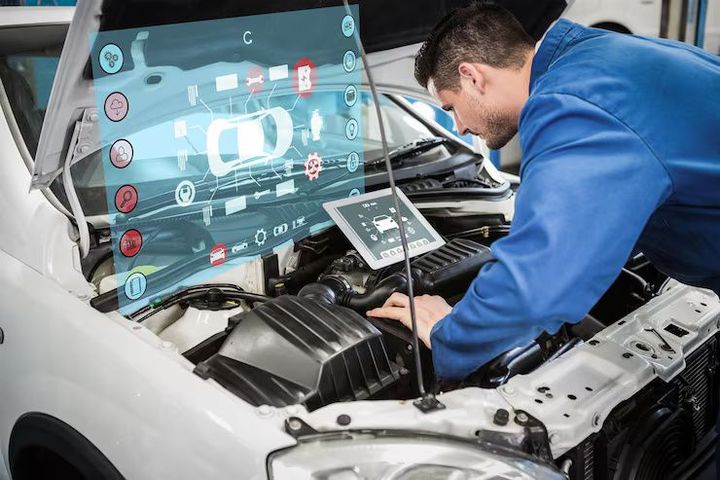
Hybrid vehicle powertrain testing systems are specialized engineering platforms used to evaluate the performance, efficiency, and reliability of hybrid vehicle propulsion systems. A hybrid powertrain combines an internal combustion engine with one or more electric motors, a battery pack, and advanced control software. Testing systems help engineers measure how these components interact under real-world driving conditions.
Hybrid powertrain testing systems are essential because hybrid vehicles combine mechanical, electrical, and software components. Engineers must ensure that energy flows efficiently between the engine, electric motor, battery, and drivetrain before vehicles are released.
These systems simulate real-world driving scenarios such as acceleration, braking, and energy recovery. This allows engineers to detect issues, improve efficiency, and ensure vehicle safety in controlled environments.
Common Hybrid Testing Platforms
Typical hybrid testing platforms include:
- Powertrain dynamometer systems
- Battery simulation systems
- Hardware-in-the-loop (HIL) environments
- Electric motor testing benches
- Vehicle simulation platforms
These systems are critical as the automotive industry shifts toward electrified mobility.
Why Hybrid Powertrain Testing Matters Today
Hybrid vehicle technology plays a key role in reducing emissions and improving fuel efficiency. Testing ensures that vehicles meet strict environmental and safety standards before reaching consumers.
This topic impacts multiple stakeholders:
- Automotive manufacturers developing hybrid vehicles
- Engineers working in testing and development labs
- Government agencies regulating emissions and safety
- Consumers seeking efficient and eco-friendly vehicles
Key Challenges Without Proper Testing
Without proper testing, hybrid vehicles may face:
- Inefficient energy transfer between systems
- Battery overheating or degradation
- Reduced reliability under different conditions
- Incorrect regenerative braking performance
Testing helps address these issues through accurate measurements and predictive analysis.
Areas of Improvement Enabled by Testing
Hybrid testing contributes to advancements in:
- Fuel economy optimization
- Battery management systems
- Emissions reduction technologies
- Vehicle control software
These improvements support global sustainability goals.
Recent Updates in Hybrid Powertrain Testing Technology
The automotive industry is rapidly adopting digital tools and advanced simulations. These innovations help reduce development time and improve testing accuracy.
Key Trends (2024–2025)
Recent developments include:
- Increased use of artificial intelligence for diagnostics
- Advanced battery simulation platforms
- Integrated hybrid and electric testing systems
- Cloud-connected testing infrastructure
Emerging Technologies
Several new technologies are shaping hybrid testing:
- Digital twin systems for virtual simulations
- Machine learning for automated testing analysis
- Model-based systems engineering (MBSE)
- Real-time energy management simulations
These advancements enable faster and more efficient vehicle development.
Regulatory Policies and Automotive Compliance
Hybrid powertrain testing must comply with strict global regulations. These rules ensure safety, environmental protection, and performance standards.
Common Regulatory Areas
Key regulatory focus areas include:
- Vehicle emission standards
- Fuel efficiency requirements
- Battery safety guidelines
- Functional safety standards
Major Global Programs
| Regulation / Program | Focus Area | Region |
|---|---|---|
| Euro 7 Emissions Standard | Vehicle emissions control | European Union |
| Corporate Average Fuel Economy (CAFE) | Fuel efficiency targets | United States |
| Bharat Stage VI (BS6) | Emissions compliance | India |
| New Energy Vehicle Policy | Electrified vehicle development | China |
Important Compliance Standards
Testing laboratories must follow:
- ISO 26262 for functional safety
- ISO 9001 for quality management
- Environmental testing standards
These ensure hybrid vehicles meet strict global benchmarks.
Tools and Resources for Hybrid Powertrain Testing
Modern testing relies on advanced tools and equipment to simulate, analyze, and validate vehicle performance.
Common Testing Tools
- Vehicle simulation software
- Powertrain dynamometer systems
- Battery testing equipment
- Hardware-in-the-loop frameworks
- Data acquisition systems
Engineering Applications
These tools support:
- Battery management system analysis
- Energy consumption modeling
- Drivetrain simulation
- Emissions analysis
Typical Testing Workflow
The hybrid testing process usually involves:
- Designing system architecture
- Creating digital simulations
- Integrating battery and motor models
- Performing laboratory testing
- Validating results through simulations
Hybrid Powertrain Components Overview
| Component | Testing Focus | Purpose |
|---|---|---|
| Internal Combustion Engine | Efficiency and emissions | Validate engine performance |
| Electric Motor | Torque and power output | Measure electric propulsion |
| Battery Pack | Energy storage capacity | Evaluate durability and safety |
| Control Software | Energy management | Optimize power distribution |
Frequently Asked Questions
What is a hybrid vehicle powertrain?
A hybrid powertrain combines an internal combustion engine with an electric motor and battery system. This allows vehicles to use both fuel and electricity for propulsion.
Why do hybrid vehicles require specialized testing?
Hybrid vehicles involve complex interactions between mechanical and electrical systems. Testing ensures safe and efficient operation under various conditions.
What is a powertrain dynamometer?
A powertrain dynamometer is a device that simulates road conditions in a lab. It measures engine and motor performance accurately.
How does regenerative braking affect testing?
Regenerative braking converts kinetic energy into electrical energy. Testing evaluates how efficiently this energy is captured and stored.
Are hybrid and electric vehicle testing methods the same?
No. Hybrid testing evaluates both engine and electric systems, while electric vehicle testing focuses only on electric propulsion.
Conclusion
Hybrid powertrain testing systems are a critical part of modern automotive engineering. They help engineers evaluate the interaction between engines, motors, batteries, and control systems in controlled environments.
As the industry moves toward electrification, testing technologies are becoming more advanced. Innovations such as digital twins, AI diagnostics, and integrated platforms are improving development efficiency.
Regulatory compliance also plays a major role in ensuring safety and environmental performance. With advanced tools and data-driven analysis, hybrid testing supports the development of reliable and sustainable vehicles for the future.