Hydrogen-Powered Machinery in Heavy Industries: Clean Energy Guide Basics
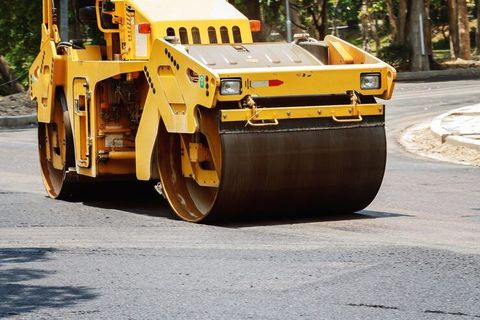
Hydrogen-powered machinery refers to industrial equipment that uses hydrogen as a fuel source instead of conventional fossil fuels like diesel or coal. This technology is gaining attention as industries look for ways to reduce emissions and transition toward cleaner energy systems. Hydrogen can be used in fuel cells to generate electricity or burned directly in modified engines, making it suitable for heavy-duty operations such as mining, steel production, construction, and logistics.
Traditional heavy industries are among the largest contributors to global greenhouse gas emissions. Hydrogen-powered machinery exists to provide a cleaner alternative, producing energy with water vapor as the primary byproduct.
This makes hydrogen a key component in decarbonization strategies across steel, cement, chemical manufacturing, and other high-energy sectors.
Why Hydrogen-Powered Machinery Matters in Modern Industry
Hydrogen technology addresses multiple industrial challenges simultaneously, including emissions reduction, energy diversification, and operational efficiency.
Battery-based solutions are often insufficient for heavy industries due to energy density and charging limitations. Hydrogen offers a high energy-to-weight ratio, making it suitable for long-duration and high-load applications.
Key Benefits
- Reduces carbon dioxide emissions in energy-intensive processes
- Supports global climate goals and net-zero targets
- Can integrate with existing industrial systems after modification
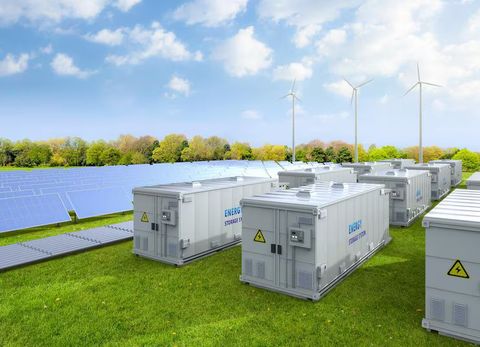
- Offers potential for energy storage and grid balancing
- Reduces dependence on fossil fuel imports, improving energy security
Manufacturers, policymakers, environmental agencies, and supply chain operators are increasingly adapting to hydrogen-based solutions.
Recent Trends and Developments in Hydrogen Machinery (2024–2026)
Hydrogen-powered machinery is evolving rapidly due to government initiatives and industry investments.
Notable Updates
- 2024–2025: Expansion of hydrogen fuel cell trucks and heavy-duty transport testing
- 2025: Steel manufacturers initiated pilot projects using hydrogen-based direct reduction for iron production
- Hydrogen-powered construction equipment, including excavators and loaders, introduced for low-emission sites
- Improvements in green hydrogen production using renewable energy enhanced efficiency and scalability
Industrial Fuel Comparison Table
| Fuel Type | Emissions Level | Energy Efficiency | Industrial Use Case |
|---|---|---|---|
| Diesel | High | Moderate | Heavy machinery, transport |
| Natural Gas | Medium | High | Power generation |
| Hydrogen | Low | High | Steel, transport, heavy machinery |
Focus is shifting toward green hydrogen, produced via electrolysis with renewable electricity, offering the most sustainable and policy-supported option.
Regulations and Government Policies Supporting Hydrogen Use
Hydrogen-powered machinery adoption is influenced by national and international policies aimed at emission reduction and clean energy integration.
India-Specific Initiatives
- National Green Hydrogen Mission (2023): Scales hydrogen production and promotes clean energy infrastructure
- Incentives for R&D and industrial pilot projects
- Safety, storage, and transportation guidelines
Global Context
- European Union and Japan: Hydrogen roadmaps, funding programs, and emission-reduction mandates
- Stricter environmental regulations encourage low-emission technology adoption
- Carbon pricing mechanisms and emission caps drive hydrogen integration
These policies provide structured support for transitioning from conventional fuels to cleaner alternatives.
Tools, Platforms, and Resources for Hydrogen Technology
A growing ecosystem of tools aids in designing, simulating, and optimizing hydrogen-powered systems.
Key Tools
- Energy Calculators: Estimate hydrogen consumption and emission reduction
- Simulation Software: Model fuel cell performance and industrial integration
- Monitoring Systems: Track hydrogen usage and efficiency in real time
- Research Platforms: Provide technical insights, documentation, and data
Tool Comparison Table
| Tool Type | Purpose |
|---|---|
| Energy Calculators | Estimate hydrogen consumption and savings |
| Simulation Software | Model fuel cell performance |
| Monitoring Systems | Track hydrogen usage and efficiency |
| Research Platforms | Provide technical insights and data |
These resources help engineers, planners, and decision-makers optimize hydrogen systems safely and effectively.
Frequently Asked Questions About Hydrogen-Powered Machinery
What is hydrogen-powered machinery used for?
Heavy industries like mining, steel production, construction, and transportation require hydrogen for high energy output and long operating hours.
Is hydrogen safer than traditional fuels?
Hydrogen is safe with proper handling but requires specialized storage and safety systems due to high flammability.
How is hydrogen produced for industrial use?
Through electrolysis using renewable energy (green hydrogen) or from natural gas with carbon capture (blue hydrogen).
Can hydrogen completely replace fossil fuels in heavy industries?
Hydrogen has strong potential, but full replacement requires time due to infrastructure, cost, and technological challenges.
What are the main challenges of hydrogen adoption?
Key challenges include storage, transportation, infrastructure development, and large-scale production efficiency.
Conclusion
Hydrogen-powered machinery represents a transformative shift in heavy industries, offering a low-emission alternative to conventional fuels.
Technological advancements, supportive policies, and increasing investments are accelerating adoption. Hydrogen’s high energy density and versatility make it suitable for high-load, long-duration industrial applications.
Understanding its benefits, applications, and limitations enables stakeholders to make informed decisions and contributes to a cleaner, more sustainable industrial future.