Ice Cube Machines Guide: Energy Efficiency Insights for Modern Cooling Systems
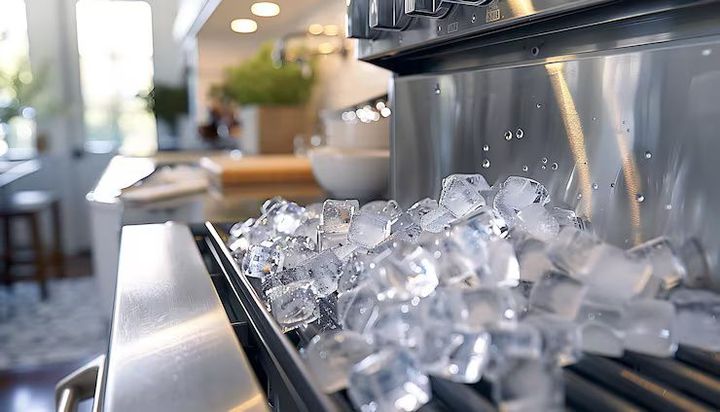
Ice cube machines are specialized devices designed to produce ice in controlled shapes and quantities for various applications. These machines are commonly used in hospitality, healthcare, food processing, and residential environments. Their purpose is to ensure a reliable, hygienic, and efficient supply of ice, eliminating the need for manual freezing methods.
Ice cube machines exist because traditional freezers are not optimized for continuous ice production. As demand for consistent ice quality increased—especially in commercial environments—dedicated systems were developed to automate freezing cycles, improve sanitation, and enhance output efficiency.
Modern machines are engineered with advanced sensors, filtration systems, and energy-saving components to meet evolving operational and environmental needs.
Why Ice Cube Machines Matter Today
Ice cube machines are essential in industries where hygiene, speed, and consistency are crucial. They support:
- Food Safety: Producing clean, filtered ice for restaurants and catering.
- Healthcare: Providing sterile cooling solutions in medical environments.
- Beverage Industry: Ensuring uniform ice shapes for quality control.
- Laboratories and Research: Supporting temperature-sensitive experiments.
Modern machines also address environmental and operational concerns. Energy-efficient models reduce electricity use, while water-saving technologies help conserve resources. Sustainability considerations are increasingly shaping machine design.
Comparison: Traditional vs Modern Ice Production
| Feature | Traditional Freezing | Modern Ice Cube Machines |
|---|---|---|
| Production Speed | Slow | High |
| Ice Consistency | Uneven | Uniform |
| Hygiene Control | Limited | Advanced filtration |
| Energy Efficiency | Low | Optimized |
| Automation | Manual | Fully automatic |
Modern machines outperform traditional freezers in speed, consistency, hygiene, and energy use.
Recent Updates and Industry Trends (2024–2025)
The ice machine industry has seen several technological and sustainability-driven advancements:
- Smart Monitoring Systems (2024): IoT-enabled sensors track performance, maintenance needs, and ice levels in real time.
- Eco-Friendly Refrigerants (2025): Transition to low-GWP refrigerants to reduce environmental impact.
- Energy Efficiency Improvements: Updated compressors and insulation reduce power consumption.
- Touchless Operation Features: Hands-free dispensing supports hygiene in healthcare and food service.
- Compact Modular Designs: Space-saving units are ideal for urban and small-scale applications.
These trends reflect a shift toward smarter, cleaner, and more efficient ice production systems.
Regulations and Policies Affecting Ice Cube Machines
Ice cube machines are subject to regulations that ensure safety, hygiene, and environmental compliance:
- Food Safety Standards: Machines must meet hygiene requirements for surfaces and water handling.
- Energy Efficiency Norms: Government programs encourage energy-efficient appliances.
- Environmental Regulations: Refrigerants are regulated to minimize ecological harm.
- Water Usage Guidelines: Some regions enforce water consumption limits to promote conservation.
In India, compliance is guided by food safety authorities and environmental agencies. Adhering to these regulations ensures safe and eco-friendly operation.
Tools and Resources for Ice Cube Machines
Several tools help users understand, evaluate, and manage ice cube machines effectively:
- Energy Calculators: Estimate electricity consumption and efficiency.
- Maintenance Checklists: Ensure proper cleaning and operation.
- IoT Monitoring Apps: Track performance remotely.
- Water Quality Testing Kits: Evaluate water for better ice quality.
- Technical Manuals and Guides: Provide insights into components and troubleshooting.
These resources help users make informed decisions and maintain reliable operation.
Frequently Asked Questions About Ice Cube Machines
What are the main types of ice cube machines?
Ice cube machines are categorized as modular, undercounter, countertop, and industrial units, each suited for specific production capacities and environments.
How do ice cube machines maintain hygiene?
Modern machines use filtration systems, antimicrobial materials, and automated cleaning cycles to ensure safe ice production.
What factors affect ice production capacity?
Production depends on ambient temperature, water quality, machine size, and compressor efficiency.
Are ice cube machines energy efficient?
Yes, newer models incorporate efficient compressors, insulation, and smart controls to reduce electricity consumption.
Why is water quality important for ice machines?
Water quality affects ice clarity, taste, and machine longevity. Poor water can cause scaling and increase maintenance needs.
Conclusion
Ice cube machines have become essential for modern industries and daily convenience. They provide consistent ice, improved hygiene, and efficient resource use.
With smart technology, eco-friendly refrigerants, and compact designs, these machines continue to adapt to evolving demands. Understanding how they work, their importance, and applicable regulations allows users to operate them safely and efficiently. Future innovations are likely to make ice machines even more energy-efficient, sustainable, and integrated into smart environments.