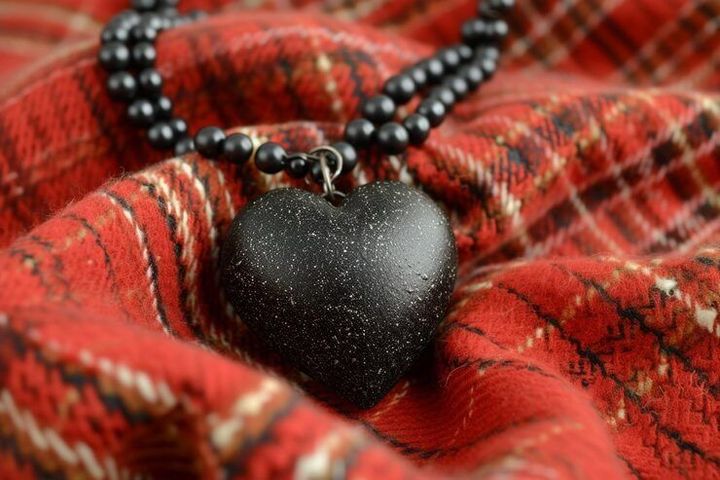
Icelandic Lava Stone Pendants Overview: Benefits, Symbolism, and Styling Ideas
Icelandic lava stone pendants are jewelry pieces made from volcanic basalt formed during lava eruptions in Iceland’s unique geological environment. Lava stones originate from molten rock that cools and solidifies after volcanic activity, creating porous, lightweight, and textured materials. These stones have been used historically in decorative objects and symbolic ornaments due to their natural origin and distinctive appearance.
Iceland sits on the Mid-Atlantic Ridge, one of the most volcanically active regions on Earth. Over centuries, volcanic eruptions have shaped the island’s landscape and produced vast amounts of basaltic lava rock. This natural abundance has made lava stone a recognizable material in Nordic crafts and jewelry design.
Today, lava stone pendants are associated with minimalist aesthetics, natural materials, and symbolic meanings connected to earth elements. Their porous texture also supports their use in aromatherapy-inspired jewelry designs.
Common Design Elements
Modern lava stone pendants often combine natural rock with other materials to create visually distinctive accessories.
- Minimalist bead pendants
- Geometric volcanic stone shapes
- Nordic-inspired symbols or engravings
- Mixed-material designs using metal and stone
Each lava stone is naturally unique, meaning no two pendants have identical textures or patterns.
Why Lava Stone Jewelry Matters in Modern Culture
Lava stone jewelry reflects broader trends in sustainability, wellness, and nature-inspired fashion. Many people are drawn to these pieces for both their appearance and symbolic meaning.
These stones are often associated with:
- Strength and resilience
- Grounding and stability
- Transformation and change
Their lightweight structure makes them practical for daily wear, while their textured surface offers a contrast to polished gemstones.
Key Industries Featuring Lava Stone Jewelry
Lava stone pendants are discussed and used across multiple industries:
- Jewelry design and fashion
- Sustainable accessories
- Geology-inspired crafts
- Wellness and lifestyle products
They also appear in educational contexts related to volcanic materials and natural stone identification.
Recent Developments and Jewelry Trends (2024–2025)
In recent years, lava stone jewelry has gained more visibility due to increased interest in natural and eco-friendly materials. Designers are incorporating volcanic stones into modern collections with a focus on sustainability.
Key Trends
- Growth of minimalist Nordic jewelry styles
- Use of raw volcanic textures in accessories
- Expansion into global fashion markets
- Increased awareness of responsible sourcing
Jewelry exhibitions in Europe have also showcased designs inspired by Icelandic landscapes, emphasizing natural textures and geological themes.
Popular Material Combinations
Designers are blending lava stones with other natural and industrial materials:
- Wood beads
- Ceramic elements
- Recycled metals
- Leather cords
These combinations highlight eco-conscious design and create a balance between raw and refined aesthetics.
Regulations and Environmental Considerations
The production of lava stone jewelry is influenced by environmental protection laws, especially in Iceland. These regulations aim to preserve volcanic landscapes and prevent unauthorized material collection.
Key Regulatory Factors
- Restrictions on collecting rocks from protected areas
- Environmental conservation policies
- Export documentation requirements
- Consumer safety regulations for jewelry
Most lava stones used in jewelry come from approved sources or previously collected materials. International distribution also requires compliance with safety standards for materials and labeling.
Tools and Resources for Understanding Lava Stone Jewelry
Various tools and educational resources help people explore lava stones, their formation, and their use in jewelry design.
Useful Resources
- Geological survey websites
- Jewelry design software
- Mineral identification guides
- Sustainability guidelines
- Digital gemstone catalogs
Designers often use CAD software and 3D modeling tools to create pendant designs and refine material combinations.
Lava Stone vs Other Jewelry Stones
| Stone Type | Origin | Texture | Typical Appearance |
|---|---|---|---|
| Lava Stone | Volcanic basalt | Porous | Matte black or dark gray |
| Granite | Igneous rock | Dense | Speckled mineral patterns |
| Quartz | Mineral crystal | Smooth | Transparent or colored |
Common Design Combinations
| Design Element | Purpose in Jewelry |
|---|---|
| Stainless steel | Structural durability |
| Sterling silver | Decorative accent |
| Leather cord | Natural aesthetic |
| Wood beads | Earth-inspired styling |
Digital Tools Used
- CAD jewelry design software
- Mineral databases
- Geology education platforms
- 3D modeling tools
These tools support both professional designers and learners interested in volcanic materials.
Frequently Asked Questions
What are lava stone pendants made from?
Lava stone pendants are typically made from basalt, a volcanic rock formed when molten lava cools and solidifies.
Why do lava stones have a porous texture?
Gases escape from molten lava during cooling, creating small holes or pores in the rock.
Are lava stones gemstones?
Lava stones are classified as volcanic rocks rather than traditional gemstones.
Do lava stones have symbolic meaning?
They are often associated with strength, grounding, and transformation due to their volcanic origin.
Where are lava stones found?
They are found in volcanic regions such as Iceland, Hawaii, Italy, and Indonesia.
Conclusion
Icelandic lava stone pendants combine geology, symbolism, and modern design into a unique form of jewelry. Formed from volcanic basalt, they reflect powerful natural processes and the raw beauty of Iceland’s landscape.
Today, these pendants are popular for their minimalist style, sustainable appeal, and distinctive texture. Trends in 2024 and 2025 highlight growing interest in natural materials and eco-conscious fashion.
Environmental regulations and educational tools continue to support responsible sourcing and awareness. As a result, lava stone jewelry remains an important example of how natural materials influence both fashion and cultural expression.