Industrial Automation Explained: Technologies, Processes, and Essential Information
Industrial automation refers to the use of control systems, software, robotics, sensors, and communication technologies to operate industrial processes with reduced manual involvement. Industrial automation engineering developed alongside modern manufacturing as factories looked for ways to improve production consistency, operational safety, and process efficiency.
Early automation systems relied on mechanical controls and simple relay circuits. Over time, digital technologies such as programmable controllers, computer monitoring systems, and industrial networking transformed factory operations. Today, industrial automation systems are widely used in manufacturing plants, warehouses, transportation systems, energy facilities, and processing industries.
Factory automation engineering combines mechanical systems, electronics, computer programming, and industrial communication networks to manage equipment and production lines. PLC automation engineering plays a major role in controlling machinery through programmable logic controllers, while SCADA system engineering focuses on centralized monitoring and supervisory control.
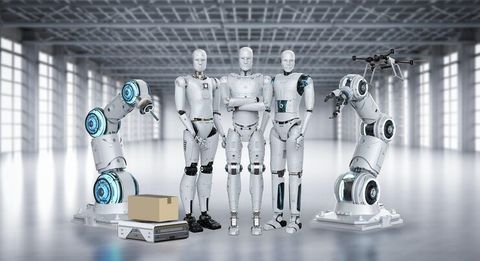
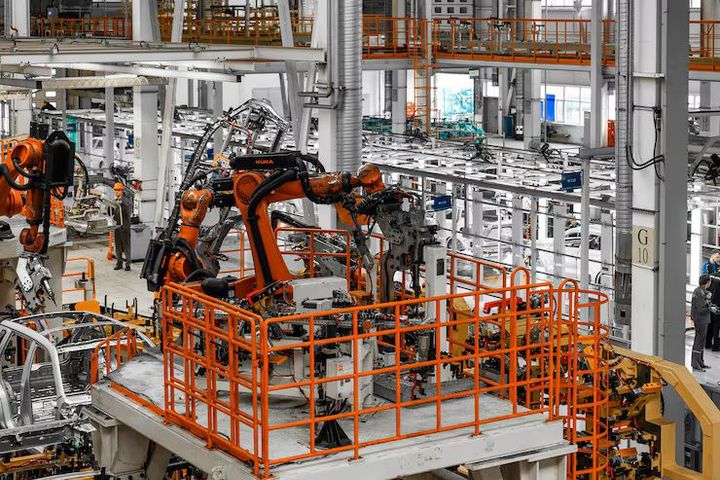
Industrial robotics automation is also becoming more common in industries that require repetitive movement, precision handling, or automated inspection processes. Industrial IoT automation engineering connects machines, sensors, and software platforms to create data-driven industrial environments.
The table below outlines common industrial automation technologies and their functions.
| Automation Technology | Main Purpose | Typical Industry Use |
|---|---|---|
| PLC Systems | Machine control automation | Manufacturing plants |
| SCADA Systems | Monitoring and supervision | Utilities and energy |
| Industrial Robots | Automated movement tasks | Automotive production |
| IoT Sensors | Real-time data collection | Smart factories |
| Human Machine Interfaces | Operator interaction | Process industries |
| Motion Control Systems | Precision equipment movement | Packaging and assembly |
Industrial automation solutions continue expanding across sectors that require reliable and continuous production operations.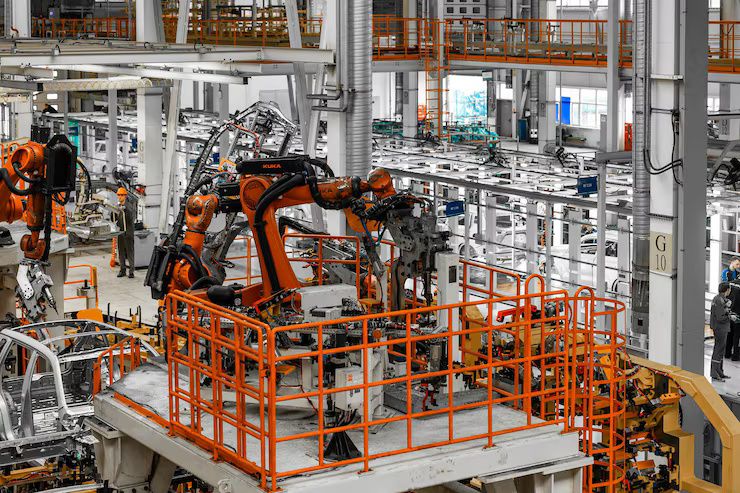
Importance
Industrial automation matters because industries face increasing pressure to improve efficiency, maintain product consistency, reduce operational interruptions, and support workplace safety. Automated systems help factories manage repetitive processes while improving production monitoring and equipment coordination.
Industrial automation systems are important in sectors such as automotive manufacturing, food processing, pharmaceuticals, logistics, electronics, and energy production. These systems support both large industrial plants and smaller manufacturing environments.
Several factors explain why automation has become important in modern industry:
- Increased production demand
- Need for consistent manufacturing quality
- Improved worker safety
- Real-time equipment monitoring
- Reduced material waste
- Better energy management
The following table shows how automation technologies support industrial operations.
| Industry | Automation Application | Operational Benefit |
|---|---|---|
| Automotive Manufacturing | Robotic assembly systems | Consistent production |
| Food Processing | Automated packaging | Improved hygiene control |
| Pharmaceuticals | Precision batch monitoring | Accurate processing |
| Warehousing | Automated material handling | Faster logistics movement |
| Energy Production | SCADA monitoring systems | Operational visibility |
| Electronics Manufacturing | Precision robotics | Improved assembly accuracy |
Robotic process automation industrial systems are increasingly used for repetitive production activities that require speed and precision. Industrial robotics automation also helps reduce exposure to hazardous environments in some manufacturing facilities.
Recent Updates
Between 2024 and 2026, industrial automation engineering continued evolving through artificial intelligence integration, cloud-based monitoring platforms, and advanced industrial networking systems. Many factories adopted smart manufacturing technologies capable of analyzing operational data in real time.
Industrial IoT automation engineering expanded rapidly as connected sensors and digital monitoring tools became more common across manufacturing environments. These technologies help operators monitor machine performance, environmental conditions, and production efficiency from centralized platforms.
Important automation trends during this period include:
- AI-assisted production monitoring
- Collaborative industrial robotics
- Cloud-connected factory systems
- Predictive equipment maintenance
- Energy-efficient automation systems
- Digital twin simulation technology
The table below summarizes recent developments in industrial automation systems.
| Development Area | Description | Industrial Impact |
|---|---|---|
| Smart Factory Systems | Connected production environments | Improved operational coordination |
| AI Monitoring Platforms | Automated data analysis | Faster problem detection |
| Industrial IoT Sensors | Real-time machine tracking | Better production visibility |
| Collaborative Robotics | Human-machine interaction | Flexible manufacturing workflows |
| Digital Twin Technology | Virtual equipment simulation | Improved process planning |
PLC automation engineering increasingly includes remote monitoring functions that allow operators to observe system performance from centralized control centers.
Laws or Policies
Industrial automation systems are shaped by workplace safety regulations, cybersecurity policies, electrical engineering standards, and industrial equipment guidelines. Governments and regulatory organizations establish rules to support safe operation of automated machinery and digital infrastructure.
Factories using industrial automation solutions often follow regulations related to electrical safety, machine guarding, data security, and worker protection. Industries such as pharmaceuticals, energy, and food production may also follow additional process control standards.
Key regulatory areas influencing industrial automation include:
- Electrical safety standards
- Machine operation regulations
- Cybersecurity policies
- Worker protection guidelines
- Environmental monitoring rules
- Industrial communication standards
The following table outlines major policy areas connected to industrial automation systems.
| Regulatory Area | Main Purpose | Industrial Effect |
|---|---|---|
| Machine Safety Rules | Protect workers near equipment | Safer production environments |
| Electrical Standards | Maintain safe installations | Reduced operational risk |
| Cybersecurity Policies | Protect digital infrastructure | Improved system security |
| Environmental Compliance | Monitor industrial emissions | Sustainable operations |
| Industrial Data Standards | Support communication systems | Better system compatibility |
SCADA system engineering projects often include cybersecurity measures to help protect industrial control networks from unauthorized access.
Tools and Resources
Industrial automation engineering relies on software platforms, programming tools, digital monitoring systems, and industrial communication equipment. These tools help operators configure, monitor, and maintain automated production systems.
Common automation tools and resources include:
- PLC programming software
- SCADA monitoring platforms
- Industrial communication networks
- Robotics simulation tools
- Industrial IoT dashboards
- Predictive maintenance systems
- Motion control software
The table below explains commonly used automation resources.
| Tool or Resource | Purpose | Industrial Use |
|---|---|---|
| PLC Software | Program automation logic | Equipment control |
| SCADA Platforms | Monitor industrial systems | Factory supervision |
| Robotics Simulation Tools | Test automation movement | Robotics planning |
| IoT Dashboards | Display machine data | Real-time monitoring |
| Predictive Analytics Platforms | Analyze equipment conditions | Maintenance planning |
Factory automation engineering increasingly uses cloud-connected systems that combine production data, maintenance tracking, and operational analysis within centralized software environments.
FAQs
What is industrial automation engineering?
Industrial automation engineering involves designing and managing automated systems used in factories, manufacturing plants, and industrial facilities.
How do industrial automation systems improve manufacturing?
Industrial automation systems improve production consistency, equipment monitoring, operational safety, and manufacturing efficiency.
What is the role of PLC automation engineering?
PLC automation engineering focuses on programming programmable logic controllers that manage industrial machines and automated production equipment.
Why is SCADA system engineering important in industry?
SCADA system engineering allows operators to monitor and control industrial processes from centralized computer systems.
What is industrial IoT automation engineering?
Industrial IoT automation engineering connects sensors, machines, and software systems to collect and analyze operational data in real time.
Conclusion
Industrial automation has become an important part of modern manufacturing and industrial operations. Technologies such as PLC systems, SCADA platforms, industrial robotics automation, and industrial IoT automation engineering help factories improve coordination, monitoring, and production efficiency. Advances in digital connectivity and smart manufacturing continue shaping industrial automation systems across multiple sectors. As industries adopt more data-driven operations, automation remains closely connected to the future of industrial production and infrastructure management.