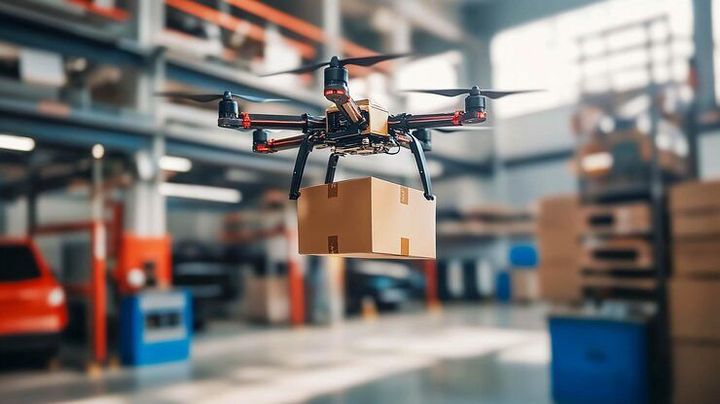
Drone Logistics Explanation for Beginners and Tech Learners
Logistics systems are evolving rapidly as industries search for faster, more flexible ways to move goods across urban and remote environments.
Traditional transportation networks remain essential, but increasing delivery demands are creating pressure on existing infrastructure and operational workflows.
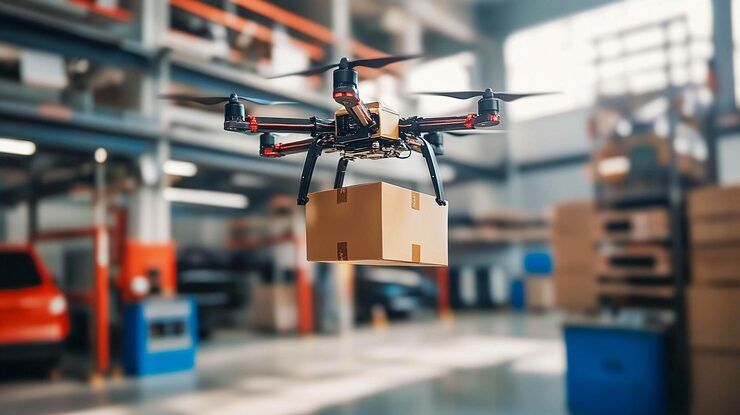
This shift has accelerated interest in drone logistics as part of modern transportation and supply chain systems. These aerial delivery technologies do more than transport packages. What really matters is how autonomous flight systems improve delivery speed, accessibility, and operational efficiency in environments where traditional methods face limitations.
As digital commerce and on-demand delivery continue expanding, businesses and infrastructure planners are exploring how unmanned aerial systems can support real-time logistics operations. Drone logistics introduces a different model where intelligent routing, automation, and airborne mobility work together.
This drone logistics guide explores how these systems operate, what affects their performance, where challenges appear, and how industries are applying drone delivery technologies in real-world environments.
Understanding Drone Logistics
Drone logistics refers to the use of unmanned aerial vehicles for transporting goods, medical supplies, equipment, or operational materials across connected delivery networks.
Traditional logistics systems mainly rely on road, rail, or air transportation managed through centralized infrastructure. Drone logistics systems, however, introduce localized aerial mobility capable of operating with greater route flexibility.
This matters because certain delivery environments require faster movement, reduced congestion dependency, or access to difficult terrain. The real difference appears when delivery systems must operate efficiently in remote or time-sensitive situations.
Technically, drone logistics combines autonomous flight systems, GPS navigation, AI-powered routing, communication networks, and operational monitoring systems.
A practical example is medical supply transportation where drones deliver emergency materials to remote healthcare locations faster than ground transport.
How Drone Logistics Systems Work
Drone logistics systems operate through a structured automated workflow.
The process begins when delivery requests are entered into a logistics management system. This stage matters because route optimization directly affects delivery efficiency and operational safety.
The drone then receives navigation instructions through connected flight management software.
Sensors, GPS systems, and onboard processors continuously analyze environmental conditions, altitude, and route positioning during flight.
Once the delivery reaches its destination, confirmation systems verify successful transport completion.
A practical example is warehouse distribution centers using automated drones for short-distance package movement between connected operational hubs.
Key Features That Define Drone Logistics Performance
The effectiveness of drone logistics depends on several connected factors.
One major factor is autonomous navigation capability. Drones must process flight data and environmental conditions accurately during operation. What really matters is maintaining stable delivery performance without constant manual control.
Battery efficiency also affects operational range and delivery continuity.
Payload capacity is another important component because transportation capability varies depending on drone design and energy consumption.
Real-time communication systems also influence operational reliability and route coordination.
The main drone logistics performance factors include:
- Autonomous navigation for efficient routing
- Battery efficiency for operational endurance
- Payload capacity for delivery flexibility
- Real-time communication for route coordination
Together, these elements determine how effectively drone logistics systems function in modern transportation environments.
Benefits of Drone Logistics
Drone logistics improves delivery flexibility, operational speed, and infrastructure accessibility.
One major advantage is faster delivery in congested or remote environments. Aerial routing reduces dependency on traditional traffic systems.
Another benefit is improved accessibility. Drones can reach areas where conventional transportation may face delays or physical limitations.
Operational efficiency also improves through automation and route optimization systems.
Emergency response support is another important advantage because drones can transport critical materials during urgent situations.
A practical example is disaster-response operations using drones to deliver medical supplies and communication equipment to affected areas.
Challenges and Limitations
Despite its advantages, drone logistics also faces several challenges.
Battery limitations remain one of the biggest barriers because flight duration directly affects delivery range.
Airspace regulations create operational complexity as governments develop safety frameworks for unmanned aerial systems.
Weather conditions can also affect flight stability and navigation reliability.
Infrastructure integration remains another challenge because drone systems require coordinated communication, charging, and monitoring networks.
A real-world example is urban drone delivery systems adjusting operations during high wind conditions or restricted flight zones.
Drone Logistics Comparison: Where Differences Appear
Different drone logistics systems focus on different operational priorities.
Short-range delivery drones
These prioritize rapid local transportation and lightweight package movement.
Industrial logistics drones
These focus on larger payloads and operational support in industrial environments.
Medical delivery drones
These emphasize speed, reliability, and access to remote healthcare regions.
The real difference appears when comparing range capability, payload design, and operational environment. Some systems prioritize urban efficiency, while others focus more on remote accessibility and emergency response.
In many cases, effectiveness depends on environmental conditions and infrastructure support.
Decision Guide: Evaluating Drone Logistics Systems
Evaluating drone logistics systems depends on several practical factors.
Delivery environment is one important consideration because urban and remote operations require different flight capabilities and infrastructure systems.
Payload requirements also affect drone design and battery performance.
Regulatory compliance influences operational flexibility and deployment strategies.
Scalability is another major factor because expanding drone fleets requires coordinated monitoring and communication systems.
A practical example is agricultural operations using drones for transporting tools and monitoring equipment across large farming regions.
The real difference appears when automation, safety, and operational efficiency work together consistently.
Real-World Use Cases
Drone logistics systems support multiple industries and transportation environments.
Healthcare systems use drones for medical supply transportation.
Retail companies explore aerial package delivery systems.
Agricultural environments use drones for operational support and monitoring.
Industrial facilities transport equipment across large infrastructure zones.
A clear example is humanitarian operations using drones to deliver emergency supplies in disaster-affected regions with damaged transportation infrastructure.
Future Trends in Drone Logistics
The future of drone logistics is moving toward deeper automation and smarter transportation ecosystems.
AI-powered navigation systems are improving route optimization and obstacle detection.
5G connectivity is strengthening communication reliability for connected drone fleets.
Battery technology advancements are extending operational range and payload capacity.
Smart city infrastructure is also increasing interest in integrated aerial delivery systems.
What really matters is how future drone logistics systems balance efficiency, safety, scalability, and airspace coordination in increasingly connected transportation environments.
FAQ
1. What is drone logistics?
It refers to using unmanned aerial vehicles for transporting goods and operational materials.
2. Why is drone logistics important?
It improves delivery flexibility, accessibility, and operational efficiency.
3. How do drone logistics systems work?
They use automated navigation, GPS tracking, and communication systems for delivery operations.
4. Which industries use drone logistics?
Healthcare, retail, agriculture, industrial operations, and emergency response sectors commonly use it.
5. What affects drone logistics performance?
Battery efficiency, payload capacity, navigation systems, and weather conditions all affect performance.
Conclusion
Drone logistics is reshaping how goods and operational materials move across modern transportation networks. By combining automation, aerial mobility, and intelligent routing systems, drones are creating new possibilities for faster and more adaptive delivery environments.
The real challenge lies in balancing scalability, regulation, and operational reliability as drone infrastructure continues expanding.