Industrial Blowers: Complete Guide to Industrial Airflow and Ventilation Systems
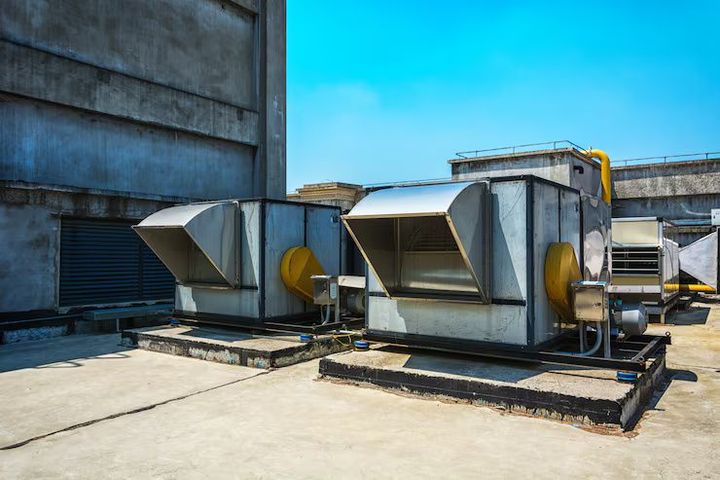
Industrial blowers are essential machines used to move air or gases through manufacturing facilities, processing plants, warehouses, power stations, and commercial buildings.
They help maintain proper ventilation, remove dust and fumes, cool equipment, dry materials, and support numerous industrial processes.

Many industries rely on industrial blowers to improve air circulation, maintain clean working environments, and optimize production efficiency. Whether transporting air through ducts or supplying fresh airflow to production equipment, industrial blowers play an important role in modern industrial operations.
This guide explains industrial blowers, their working principles, major types, applications, benefits, and future developments in simple and easy-to-understand language.
Understanding the Concept
An industrial blower is a mechanical device designed to move large volumes of air or gas at moderate pressure. Unlike standard household fans, industrial blowers generate stronger airflow and are built for continuous operation in demanding environments.
Industrial blowers are commonly used in:
- Manufacturing plants
- Food processing facilities
- Chemical plants
- Pharmaceutical production
- Cement industries
- Mining operations
- Wastewater treatment plants
- HVAC systems
- Power generation facilities
Their primary purpose is to maintain proper airflow while supporting cooling, ventilation, drying, combustion, dust collection, and material handling processes.
Key Types or Categories
Industrial blowers are available in several designs depending on airflow and pressure requirements.
Centrifugal Blowers
Centrifugal blowers use a rotating impeller to move air outward through centrifugal force.
They are widely used for:
- Dust collection
- Industrial ventilation
- Air filtration
- Material conveying
- Exhaust systems
These blowers provide stable airflow and are suitable for medium to high-pressure applications.
Axial Blowers
Axial blowers move air parallel to the rotating shaft.
Common applications include:
- Cooling systems
- Warehouse ventilation
- Tunnel ventilation
- Heat exchangers
- HVAC equipment
Axial blowers move high volumes of air with relatively lower pressure.
Positive Displacement Blowers
Positive displacement blowers trap a fixed amount of air and move it through the system.
They are commonly used in:
- Pneumatic conveying
- Wastewater aeration
- Industrial vacuum systems
- Chemical processing
These blowers deliver consistent airflow regardless of pressure changes.
Regenerative Blowers
Regenerative blowers circulate air multiple times inside the impeller before discharge.
Typical applications include:
- Air knife systems
- Packaging equipment
- Vacuum lifting
- Printing machinery
- Medical equipment
They provide clean airflow with moderate pressure.
Important Subsections
Blower Impeller
The impeller is the rotating component that creates airflow.
Different impeller designs affect:
- Air volume
- Pressure
- Efficiency
- Noise level
Electric Motor
The motor powers the blower and determines its operating performance.
Industrial motors are selected based on:
- Horsepower
- Speed
- Energy efficiency
- Operating conditions
Air Intake
The intake allows air to enter the blower.
Proper filtration at the intake helps reduce dust accumulation and protects internal components.
Outlet System
The outlet directs airflow into ducts, machinery, or ventilation systems.
Well-designed outlet configurations improve airflow performance.
Control Systems
Modern industrial blowers may include:
- Variable frequency drives (VFD)
- Pressure monitoring
- Airflow sensors
- Temperature monitoring
- Automatic speed control
These features improve operational efficiency.
How It Works
Industrial blowers operate through a straightforward process.
Step 1: Air Enters the Blower
Ambient air enters through the intake opening.
Filters may remove dust and debris before the air reaches internal components.
Step 2: The Motor Rotates the Impeller
The electric motor spins the impeller at high speed.
This rotation creates airflow inside the blower housing.
Step 3: Air Pressure Increases
The impeller accelerates the air, increasing its velocity and pressure.
Different blower designs achieve this in different ways.
Step 4: Air Moves Through the System
Pressurized air travels through ducts, pipes, or process equipment.
The airflow supports ventilation, cooling, drying, or other industrial operations.
Step 5: Continuous Monitoring
Many industrial facilities monitor:
- Air pressure
- Airflow rate
- Motor temperature
- Vibration
- Energy consumption
Regular monitoring helps maintain reliable operation.
Benefits and Advantages
Industrial blowers provide several important advantages.
Efficient Air Movement
They move large volumes of air across industrial facilities with consistent performance.
Improved Ventilation
Proper ventilation helps maintain healthier working environments by reducing airborne contaminants.
Better Temperature Control
Blowers support cooling systems for machinery, production equipment, and manufacturing processes.
Dust Collection Support
Industrial blowers transport dust particles to filtration equipment, improving workplace cleanliness.
Energy Efficiency
Modern blower designs improve airflow while reducing electricity consumption.
Reliable Continuous Operation
Industrial blowers are designed for extended operating periods in demanding industrial environments.
Real-World Examples or Applications
Industrial blowers are widely used across many sectors.
Manufacturing Plants
Blowers provide:
- Machine cooling
- Dust extraction
- Production ventilation
- Material drying
Food Processing
Food manufacturers use blowers for:
- Product drying
- Packaging lines
- Cooling conveyors
- Air circulation
Wastewater Treatment
Blowers supply oxygen during biological treatment processes, supporting efficient water purification.
Chemical Processing
Chemical facilities use industrial blowers for:
- Process ventilation
- Gas circulation
- Fume extraction
- Combustion air
Cement Industry
Cement plants depend on industrial blowers for:
- Kiln combustion
- Dust collection
- Material conveying
- Plant ventilation
Power Generation
Power stations use blowers for:
- Boiler combustion air
- Cooling equipment
- Flue gas handling
- Ventilation systems
Important Factors to Understand
Several factors influence blower performance.
Airflow Capacity
The required airflow depends on the application and facility size.
Static Pressure
Pressure requirements vary between ventilation, dust collection, and pneumatic conveying systems.
Energy Consumption
High-efficiency motors and optimized airflow reduce long-term electricity usage.
Noise Levels
Some industrial environments require low-noise blower designs to improve workplace comfort.
Maintenance
Routine maintenance includes:
- Cleaning filters
- Checking bearings
- Inspecting belts
- Monitoring vibration
- Lubricating moving parts
Regular maintenance improves reliability and operating life.
Future Trends and Industry Insights
Industrial blower technology continues advancing.
Smart Monitoring
Connected sensors provide real-time monitoring of:
- Airflow
- Pressure
- Temperature
- Motor performance
- Vibration
These insights support predictive maintenance.
Variable Speed Technology
Variable frequency drives automatically adjust motor speed based on airflow demand, improving energy efficiency.
High-Efficiency Motors
Manufacturers continue developing motors with improved electrical efficiency and reduced energy consumption.
Industrial Automation
Modern production facilities integrate industrial blowers into automated control systems for optimized airflow management.
Sustainable Manufacturing
Industries increasingly focus on reducing energy usage through advanced blower design, improved aerodynamics, and intelligent airflow control.
Conclusion
Industrial blowers are fundamental components in ventilation, cooling, dust collection, drying, pneumatic conveying, and many other industrial applications. Their ability to deliver reliable airflow makes them valuable across manufacturing, food processing, chemical production, wastewater treatment, power generation, and numerous other industries.
Selecting the appropriate blower type, maintaining equipment properly, and understanding airflow requirements contribute to efficient and dependable operation. As industrial technology continues evolving, smart monitoring, energy-efficient motors, and automated control systems will further enhance blower performance and workplace productivity.