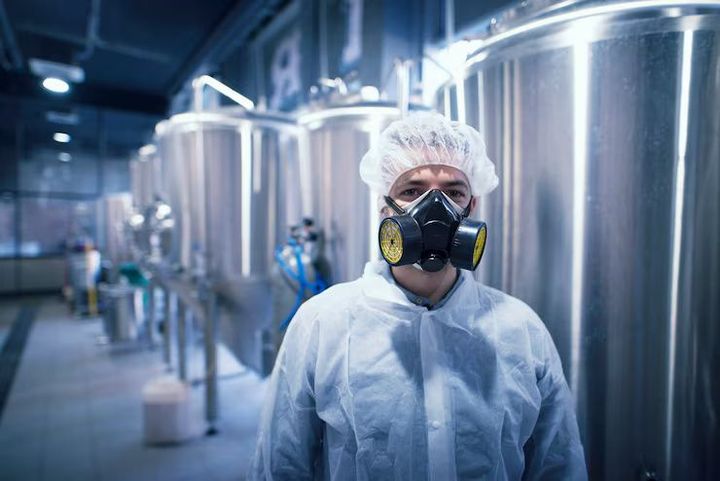
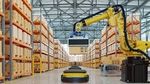
A chemical reactor provides a controlled environment where reactants interact to form desired compounds. Engineers design these systems to ensure efficiency, safety, and consistent product quality. In many industrial settings, reactors operate continuously as part of large-scale production systems.
Modern reactors integrate automation, sensors, and monitoring software to control variables such as temperature, pressure, and flow rate. These technologies help maintain precise reaction conditions, which are essential for reliable output and operational safety.
Types of Industrial Chemical Reactors
Industrial manufacturing uses several reactor designs, each suited for specific processes and environments.
Common Reactor Types
-
Batch reactors – Used for controlled, step-by-step processing
-
Continuous stirred tank reactors (CSTR) – Ideal for continuous liquid-phase reactions
-
Plug flow reactors (PFR) – Designed for high-efficiency production
-
Fluidized bed reactors – Used in catalytic and petrochemical processes
-
Fixed bed reactors – Common in refining and catalytic applications
Reactor Comparison Table
| Reactor Type | Reaction Mode | Typical Applications | Key Characteristics |
|---|
| Batch Reactor | Intermittent | Pharmaceuticals, specialty chemicals | Flexible operation |
| CSTR | Continuous | Liquid-phase reactions | Constant mixing |
| Plug Flow Reactor | Continuous | Petrochemicals, polymers | High efficiency |
| Fluidized Bed Reactor | Continuous | Catalytic processes | Uniform heat distribution |
Why Industrial Chemical Reactors Matter Today
Industrial chemical reactors are essential to global manufacturing and technological development. They enable the transformation of raw materials into valuable products used in everyday life.
Key Industries Using Reactors
-
Pharmaceutical manufacturing
-
Petrochemical and energy production
-
Polymer and plastics manufacturing
-
Fertilizer and agricultural chemicals
-
Food processing and biotechnology
These industries rely on reactors to produce fuels, medicines, polymers, and specialty chemicals. Increasing demand for sustainable production has made reactor optimization more important than ever.
Key Challenges Addressed by Reactors
-
Efficient energy conversion in fuel processing
-
Large-scale pharmaceutical production
-
Manufacturing of high-performance materials
-
Adoption of green and sustainable chemistry
Recent Updates and Industry Developments
Recent advancements have significantly improved reactor design and operation. In 2025, many manufacturers adopted digital control systems powered by machine learning to enhance performance and stability.
Key Trends
-
Increased use of continuous flow reactors in pharmaceuticals
-
Development of low-emission reactor technologies
-
Growth of hydrogen and clean energy reactor systems
-
Integration of Industrial IoT (IIoT) sensors
-
Rise of “smart reactors” with predictive analytics
Modular manufacturing facilities are also gaining popularity, allowing flexible and scalable chemical production.
Regulatory Framework and Industrial Policies
Chemical reactors operate under strict regulations due to safety and environmental risks. Governments enforce standards to protect workers, communities, and ecosystems.
Common Regulatory Areas
-
Industrial safety standards for pressure systems
-
Environmental emission controls
-
Hazardous material handling guidelines
-
Workplace safety regulations
Compliance ensures safe reactor operation while minimizing environmental impact.
Tools and Resources for Reactor Engineering
Engineers use advanced tools to design, simulate, and optimize reactor systems. These tools improve accuracy and operational efficiency.
Common Engineering Tools
-
Process simulation software
-
Computational fluid dynamics (CFD) tools
-
Reaction kinetics calculators
-
Industrial automation platforms
-
Data analytics dashboards
Key Operating Parameters
| Parameter | Purpose |
|---|
| Temperature Control | Ensures reaction efficiency |
| Pressure Regulation | Maintains reaction stability |
| Mixing Speed | Improves reactant distribution |
| Residence Time | Controls reaction completion |
Additional Technical Insights on Reactor Performance
Reactor performance depends on factors such as reaction kinetics, heat transfer, and material compatibility. Engineers conduct simulations and testing before selecting a reactor design.
Optimization Priorities
| Optimization Factor | Impact on Production |
|---|
| Energy Efficiency | Reduces energy consumption |
| Reaction Yield | Maximizes product output |
| Environmental Impact | Supports sustainable manufacturing |
| Process Stability | Ensures consistent quality |
Modern systems may also use digital twins—virtual models that simulate real reactor behavior. These tools help engineers test scenarios without interrupting operations.
Frequently Asked Questions
What is the main function of an industrial chemical reactor?
An industrial chemical reactor provides a controlled environment for large-scale chemical reactions. It allows reactants to convert into desired products under specific conditions like temperature and pressure.
What industries use chemical reactors most frequently?
Industries include petrochemicals, pharmaceuticals, biotechnology, energy, fertilizers, and polymers. These sectors depend heavily on chemical processing systems.
What is the difference between batch and continuous reactors?
Batch reactors operate in separate cycles, while continuous reactors process materials continuously with a steady flow.
Why is temperature control important?
Temperature directly affects reaction speed and product formation. Proper control ensures safety and prevents unwanted byproducts.
How do modern reactors improve efficiency?
Modern reactors use automation, sensors, and data analytics to monitor and optimize reactions in real time.
Conclusion
Industrial chemical reactors are fundamental to modern manufacturing and chemical engineering. They enable the production of essential materials used in various industries, from healthcare to energy.
Advancements in automation, sustainability, and digital technologies are shaping the future of reactor systems. At the same time, regulatory frameworks ensure safe and environmentally responsible operations.
Understanding reactor types, operating conditions, and optimization strategies helps professionals and learners better appreciate their role in global industrial development.